 Retro Replay Retro Replay gaming reviews, news, emulation, geek stuff and more!
Retro Replay Review
Gameplay
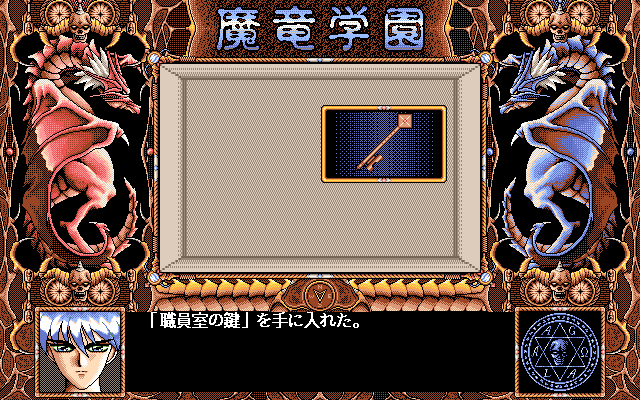
Maryū Gakuen: Nerawareta Shitai delivers a classic first-person dungeon-crawling experience that will immediately feel familiar to veterans of the genre. You guide Kamiya Tenma through the dimly lit hallways and eerie classrooms of your high school as it morphs into a labyrinthine dungeon. The auto-map system is a welcome inclusion, ensuring players can mark unexplored passages, locked doors, and discovered treasure rooms—vital for backtracking and thorough exploration.
(HEY YOU!! We hope you enjoy! We try not to run ads. So basically, this is a very expensive hobby running this site. Please consider joining us for updates, forums, and more. Network w/ us to make some cash or friends while retro gaming, and you can win some free retro games for posting. Okay, carry on 👍)
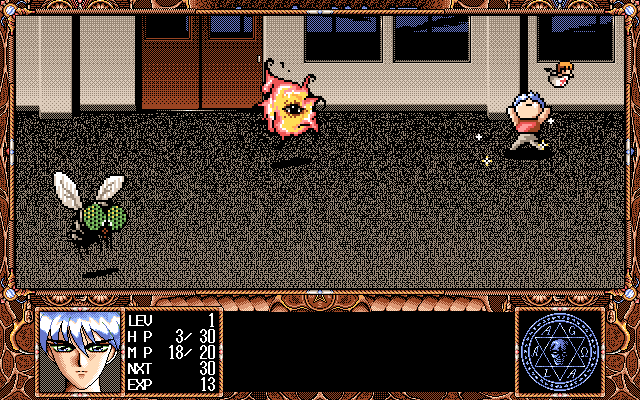
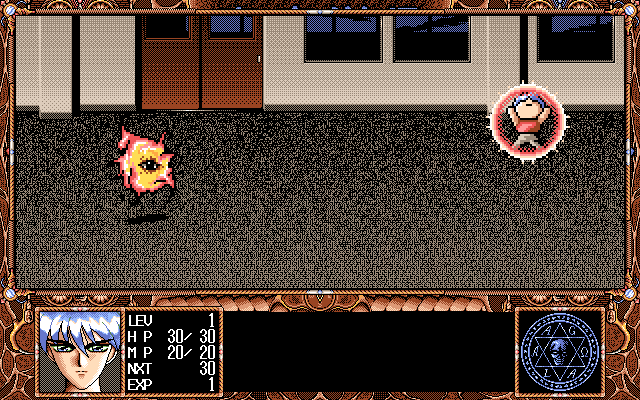
Combat unfolds in random encounters, triggering a smooth transition to a side-view turn-based battle screen. Each fight tests your strategic use of the Blue Dragon’s magic spells. With limited MP, you must decide between offensive fireballs, defensive barriers, or support magic that boosts Tenma’s stats. Although there’s no equipment system to micromanage, the variety of spells and the gradual MP growth keep engagements fresh and demanding.
Exploration is at the heart of the gameplay loop: scour every nook for key items, health and MP refills, or hidden lore scrolls that explain the world’s dragon mythology. Puzzles are peppered throughout, ranging from simple lever-switch combinations to more intricate rune-based codes that require careful note-taking. The absence of an equipment or item-crafting system might feel restrictive, but it streamlines progress and keeps the focus squarely on navigating the school’s corridors.
Graphics
Visually, Maryū Gakuen strikes a nostalgic chord with its pseudo-3D dungeon environments. Walls and floors are tiled in a style reminiscent of late-90s PC RPGs, evoking a sense of quaint charm rather than realism. The muted, moody color palette—dominated by blues, grays, and occasional blood-red accents—reinforces the game’s supernatural horror undertones.
Character and monster sprites bring a refreshing contrast to the static corridors. The side-view combat screens feature hand-drawn enemy portraits and Tenma’s magic effects, which pop against the dark backgrounds. While the resolution is low by modern standards, the crisp linework and expressive animations help each spell feel impactful and each monster encounter memorable.
The game also doesn’t shy away from more mature visual content. Certain story sequences and event CGs depict nudity and suggestive scenarios involving Tenma and Miku. These scenes are tastefully animated, with soft shading and careful framing that emphasize atmosphere over gratuitous detail. Players sensitive to sexual content should be aware, but those comfortable with such themes may find these moments add emotional weight to the narrative.
Story
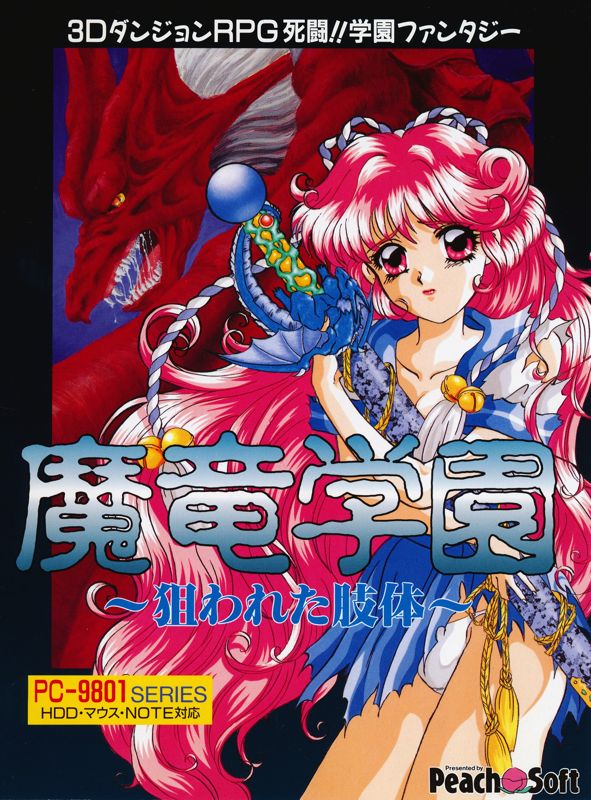
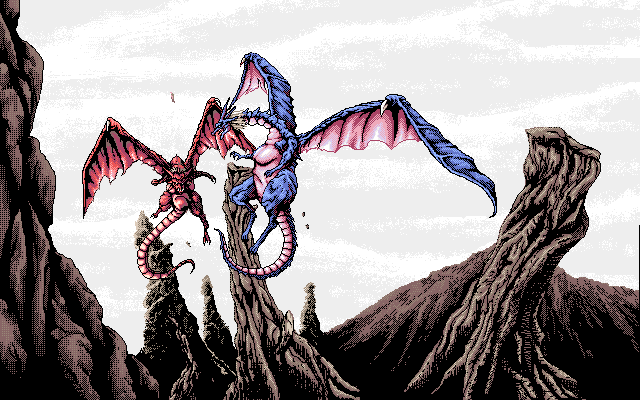
Starting with the epic clash of the Blue and Red Dragons, the narrative quickly grounds itself in the everyday setting of a Japanese high school. Kamiya Tenma’s quiet routine is shattered when monsters overrun his campus, setting him on a quest steeped in ancient draconic prophecy. The premise of the Blue Dragon’s spirit guiding a reluctant teenager makes for an engaging hero’s journey.
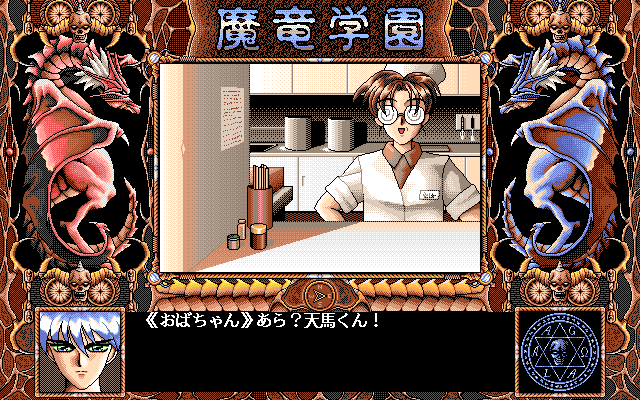
The relationship between Tenma and his childhood friend Miku is central to the drama. As you delve deeper into the school’s secrets, you uncover whispers that Miku may hold the key to stopping the Red Dragon’s resurrection. Their bond is explored through dialogue choices and event scenes, giving players moments of lighthearted camaraderie before the tension ratchets up again.
While the main storyline is straightforward, side dialogues and hidden documents flesh out the world with legends of dragon priests, failed rituals, and the original sealing ceremony. This layered mythology rewards thorough exploration and motivates you to revisit earlier floors in search of new clues. The pacing balances dungeon delving with story beats, so you always feel the stakes rising as Tenma inches closer to the final confrontation.
Overall Experience
Maryū Gakuen: Nerawareta Shitai is a solid throwback to classic dungeon crawlers, marrying nostalgic design with a uniquely Japanese high-school-horror twist. The exploration and mapping mechanics are satisfying, and the turn-based battles, though simple, demand strategic MP management and spell selection. It’s a tight package that never overstays its welcome.
Graphically, the game embraces its retro roots and leverages hand-drawn combat art to deliver character and monster designs that stand out. The story leans heavily on well-worn fantasy tropes but elevates them with effective character moments and a strong mythic backbone. Mature content is handled with restraint, serving the plot rather than shocking for its own sake.
For fans of dungeon crawlers seeking a concise yet atmospheric adventure, Maryū Gakuen offers memorable dungeon layouts, a compelling dragon-based narrative, and just the right amount of challenge. Newcomers to the genre will appreciate the streamlined mechanics, while genre veterans will find enough depth in exploration and battle planning to stay engaged until the final seal is cast.


Reviews
There are no reviews yet.