 Retro Replay Retro Replay gaming reviews, news, emulation, geek stuff and more!
Retro Replay Review
Gameplay
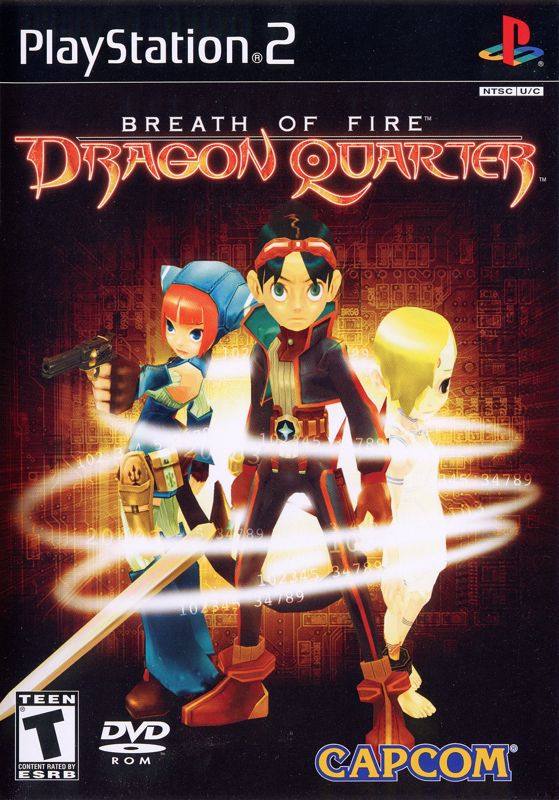
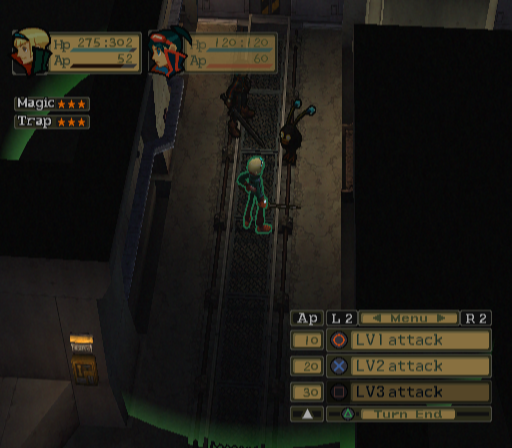
Breath of Fire: Dragon Quarter reinvents the series’ familiar turn-based roots with a lean, dungeon-crawling approach that demands careful planning and tactical foresight. Rather than traversing an overworld map, you guide Ryu and his allies through interconnected subterranean complexes, each teeming with visible enemies that react when you draw near. Combat revolves around an Action Point (AP) system: every movement, attack or combo costs a portion of your AP gauge, and mastering its ebb and flow becomes essential for survival against the genics, the artificial monstrosities that stalk Deep Earth.
(HEY YOU!! We hope you enjoy! We try not to run ads. So basically, this is a very expensive hobby running this site. Please consider joining us for updates, forums, and more. Network w/ us to make some cash or friends while retro gaming, and you can win some free retro games for posting. Okay, carry on 👍)
One of the game’s boldest innovations is its Dragon Transformation mechanic, tied directly to a counter that inches you closer to a potential game over each time you unleash Ryu’s draconic power. This risk-versus-reward dynamic forces players to weigh short-term power boosts against the long-term consequence of an accelerating countdown. It injects every encounter with palpable tension—do you burn through AP for an early advantage or conserve your energy for a later boss fight?
Exploration and resource management feel equally strategic. Loot is handed out randomly, encouraging repeat visits to familiar zones in search of better gear. Enemy encounters grant initiative based on who lands the first physical strike, adding a stealth-like element to movement in the corridors. Victory often hinges on precise positioning, timing of combos and judicious use of scarce healing items, making each battle a puzzle as much as a test of raw power.
Graphics
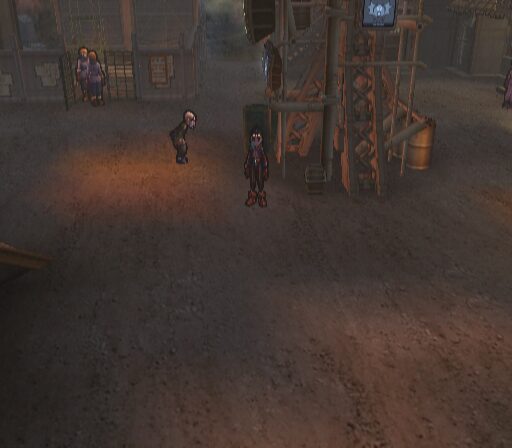
Graphically, Dragon Quarter leans into its oppressive setting with a muted palette of grays, blues and rust tones that underscore Deep Earth’s perpetual darkness. The environmental art evokes claustrophobic city corridors and winding caverns, eschewing sweeping vistas in favor of close-quarters architecture that reinforces the feeling of being trapped miles below the surface.
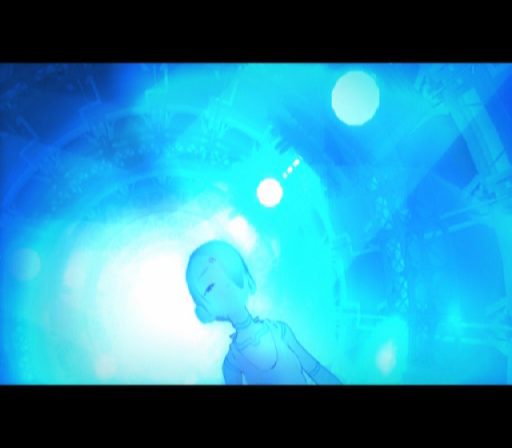
On PlayStation 2 hardware, character models exhibit surprisingly detailed textures during cutscenes, especially when Ryu’s dragon form emerges in a burst of fiery scales and molten glow. In-game, the 3D models move fluidly, though some background assets can appear repetitive after extended play sessions. Nevertheless, the dynamic lighting effects—flickering torches, glowing crystals and enemies illuminated by attack animations—help breathe life into otherwise dimly lit corridors.
Each dungeon level carries a unique visual theme, from industrial factories with steam-venting pipes to crystalline grottoes where shards hang precariously overhead. While the reuse of certain textures can become apparent, the contrasting layouts and occasional set-piece vistas (like an underground river or a collapsed city block) provide enough variety to keep exploration visually engaging.
Story
Deep Earth’s narrative foundation is both bleak and compelling: a vast underground world where sunlight is a forgotten myth, technology hums in the shadows, and society is stratified by a D-ratio system that dictates one’s entire existence. Citizens are born into rigid classes, their fates sealed by an arbitrary number, and the law is enforced ruthlessly. This dystopian backdrop gives weight to Ryu’s simple role as a guard, protecting his community from rampaging genics despite his own low social standing.
When Ryu rescues the enigmatic Nina, a silent girl with hidden depths, the story shifts from routine patrols to a greater quest for hope. Nina’s presence stirs something ancient within Ryu, unlocking devastating dragon powers that blur the line between savior and weapon. Their journey through Deep Earth’s labyrinths is as much a personal odyssey—grappling with identity, duty and sacrifice—as it is a fight for societal change.
Unlike more sprawling JRPG narratives, Dragon Quarter unfolds its tale in measured doses, dovetailing story beats with dungeon exploration. Key revelations are often tied to new floors or boss encounters, and character interactions remain sparse but weighty. The limited cast allows the game to focus on Ryu and Nina’s evolving bond, while recurring themes of oppression, rebellion and the lure of the unknown surface world resonate through each replay.
Overall Experience
Breath of Fire: Dragon Quarter offers a distinctive blend of strategic combat, dystopian narrative and high-stakes progression that sets it apart from its series predecessors. The game’s uncompromising difficulty and unique mechanics—like the Dragon Counter and D-ratio ranking—may frustrate newcomers expecting a more traditional RPG, but they also deliver a deeply rewarding sense of accomplishment once mastered.
Replayability is built into the very DNA of the title. Each New Game+ run allows you to carry over items, experience and a higher D-ratio, unlocking previously inaccessible areas and encounters. This meta-layer encourages repeated journeys through Deep Earth, gradually unveiling hidden story elements and challenging players to refine their strategies.
For potential buyers seeking an RPG that breaks the mold—one that emphasizes tension, resource management and an unrelentingly dark atmosphere—Dragon Quarter is a memorable, if demanding, adventure. It may not cater to those in search of ornate world maps or magic-heavy combat, but its bold design choices and unwavering focus on risk-versus-reward gameplay make it a standout title for anyone craving a challenging underground odyssey.



Reviews
There are no reviews yet.