 Retro Replay Retro Replay gaming reviews, news, emulation, geek stuff and more!
Retro Replay Review
Gameplay
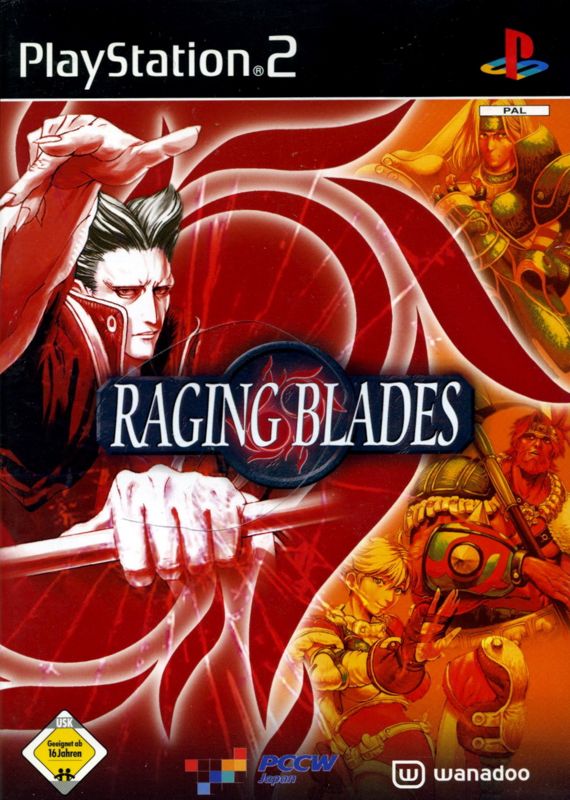
Raging Blades thrusts you into a relentless hack-and-slash adventure where every swing of your weapon feels weighty and visceral. Players choose from four distinct heroes—knight, wizard, priestess, or warrior—each offering unique abilities, strengths, and playstyles. Whether you prefer cleaving through hordes with the knight’s heavy broadsword, raining fireballs from afar as the wizard, healing allies and smiting foes with the priestess, or unleashing rapid strikes as the warrior, there’s a build to suit every taste.
(HEY YOU!! We hope you enjoy! We try not to run ads. So basically, this is a very expensive hobby running this site. Please consider joining us for updates, forums, and more. Network w/ us to make some cash or friends while retro gaming, and you can win some free retro games for posting. Okay, carry on 👍)
The game is structured across nine thematically varied levels, each divided into multiple stages brimming with tasks like rescuing villagers, activating ancient mechanisms, or defending strategic points. Objectives remain fresh thanks to alternating mission designs, and the escalating difficulty ensures that you can’t simply button-mash your way through. Enemy types evolve from basic goblins and skeletons to giant beasts and spellcasters, keeping you on your toes and encouraging tactical use of your hero’s skill set.
Combat flows smoothly, with responsive controls and satisfying hit feedback that rewards well-timed dodges and combo chains. Special moves build-up as you land hits, letting you unleash powerful ultimate attacks that can clear screens or turn the tide in boss encounters. While the single-player campaign delivers a solid challenge, the real longevity comes from the versus multiplayer mode, where up to four players can duke it out in fast-paced arena battles, testing both your mechanical skill and strategic item usage.
Graphics
Raging Blades embraces a stylized fantasy aesthetic that balances dark, foreboding environments with bursts of vibrant magic effects. The continent of Atranart is beautifully realized—from mist-shrouded forests crawling with arachnid terrors to crumbling castles besieged by demonic forces. Lighting and particle effects shine in key moments: fire spells flicker realistically, while holy radiance from the priestess’s staff casts dynamic glows on nearby surfaces.
Character models are detailed without being overly intricate, which keeps performance smooth even when dozens of monsters close in on screen. Each hero class has a distinct silhouette and armor design, making it easy to identify allies and foes in the heat of battle. Enemy animations, from lumbering trolls to slithering beasts, are varied and exhibit convincing weight, enhancing immersion and making each encounter feel unique.
Level transitions are accompanied by subtle environmental storytelling—cracked statues, blood-stained banners, and wilted flora hint at Atranart’s grim fate. Cutscenes use in-engine cinematics that, while not blockbuster-level, effectively communicate key plot points and showcase the heroes’ personalities. The game runs at a stable frame rate on most modern systems, ensuring that fast-paced action never stutters or drags.
Story
The narrative of Raging Blades paints Atranart as a continent teetering on the brink of annihilation. Monsters have overrun towns, and magical anomalies tear open rifts across the land. You step in as one of four chosen champions tasked with pushing back the darkness and uncovering the source of this otherworldly invasion. While the premise is familiar, it’s delivered with enough flair—twists in character backstories and unexpected betrayals—to keep players engaged.
The campaign unfolds at a brisk pace, weaving in short dialogue exchanges and mission briefings that flesh out each hero’s motivations. The knight’s vow to avenge a fallen king, the wizard’s quest to master forbidden arcana, the priestess’s resolve to protect the innocent, and the warrior’s drive for battlefield glory all intersect as the stakes climb higher. By the final chapters, you’ve formed a connection with your hero, making the climactic battles feel that much more impactful.
Although Raging Blades doesn’t reinvent RPG storytelling, it leverages solid voice acting and atmospheric music to heighten tension. Minor NPCs occasionally deliver memorable lines, and key villains boast menacing presence. The story threads tie neatly into level design, with each new area revealing clues about the underlying evil—ensuring that you’re always motivated to see what lies beyond the next gate.
Overall Experience
Raging Blades delivers a high-octane fantasy romp that ticks all the hack-and-slash boxes: satisfying combat, varied enemy design, and a suite of distinctive hero classes. The nine-level campaign provides several hours of action-packed gameplay, with plenty of side tasks and optional objectives to keep completionists busy. If you enjoy slaying hordes of monsters and mastering flashy combos, this title will scratch that itch.
Visually, the game strikes a good balance between detail and performance, ensuring that the pace never falters even in the most chaotic skirmishes. The evocative environments and dynamic effects help bring Atranart’s beleaguered lands to life, while the story—though archetypal—injects enough character-driven moments to sustain interest. Multiplayer versus mode adds replay value, offering lighthearted competition or cooperative mayhem as you pit heroes against friends.
For fans of fast-paced, action-oriented adventures set in magical realms, Raging Blades is a solid recommendation. It may not upend the genre, but it hones its core mechanics to a fine edge, delivering an engaging ride from the prologue to the final boss. Whether you’re exploring solo or challenging fellow players, the game’s polished combat and heroic ambiance make it a worthy addition to any fantasy gamer’s library.


Reviews
There are no reviews yet.