 Retro Replay Retro Replay gaming reviews, news, emulation, geek stuff and more!
Retro Replay Review
Gameplay
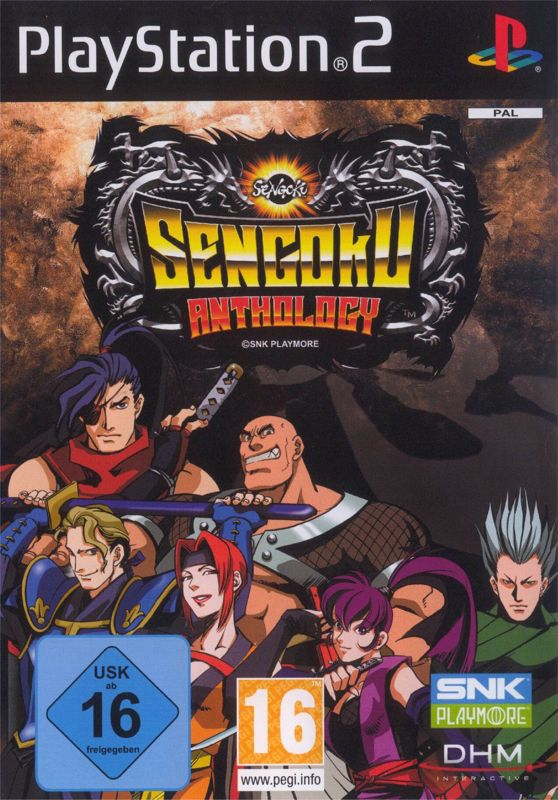
Sengoku: Anthology brings classic beat ’em up action to modern platforms, offering players the chance to experience three legendary arcade titles in one package. The core gameplay remains faithful to the originals, featuring straightforward run-and-slam combat mechanics that are easy to pick up yet rewarding for those who master timing and positioning. Whether you’re unleashing flurries of punches or slashing through hordes with power-up weapons, the rhythm of frantic arcade brawling never lets up.
(HEY YOU!! We hope you enjoy! We try not to run ads. So basically, this is a very expensive hobby running this site. Please consider joining us for updates, forums, and more. Network w/ us to make some cash or friends while retro gaming, and you can win some free retro games for posting. Okay, carry on 👍)
One of the anthology’s standout features is the transformation system, which has been honed across the three entries. In the first Sengoku, you morph into a samurai warrior or a ninja to boast improved attack power and range. Sengoku 2 expands on this with more varied forms—each offering distinct combat styles—while Sengoku 3 introduces selectable characters with unique special attacks from the very start. This layered design encourages experimentation and extends replay value as you discover new ways to chain combos and tackle bosses.
The two-player co-op remains a highlight, capturing the communal spirit of arcades. Teaming up with a friend adds strategic depth; coordinating transformations or combining special moves can turn the tide on tougher enemies. Even playing solo, the challenge is well balanced: you’ll find yourself juggling weapon pickups, health items, and stage hazards in real time, making every encounter feel like a mini-puzzle.
Unlockable artwork and concept sketches reward players who complete each game, adding an extra incentive beyond simply clearing the final bosses. These bonus galleries—and the nostalgia they evoke—make each title feel like a chapter in SNK’s storied history, reminding fans of the artistry behind the sprites and backgrounds they once fought through in arcades.
Graphics
Although originally released between 1991 and 2001, the visuals in Sengoku: Anthology hold up remarkably well thanks to their bold pixel art and dynamic animations. The first Sengoku’s gritty urban landscapes and neon-lit back alleys transport you to a stylized ’90s vision of Japan under siege. Fast forward to Sengoku 3, and you’ll find more polished character models, richer color palettes, and smoother frame rates that bring every sword slash and fiery explosion to life.
The collection benefits from sharp upscaling on modern displays, preserving the crisp outlines and vivid colors of the original sprites. Backgrounds are richly detailed—from temple courtyards to pirate ship decks—each stage layered with parallax scrolling that adds depth. Even dust clouds kicked up by your feet or sparks flying from clashing weapons maintain a level of visual flair that feels surprisingly fresh.
Special effects, such as lightning bolts and flame bursts during transformations or super moves, are rendered with the same attention to detail seen in the arcade. In Sengoku 2, elemental power-up forms emit glowing auras that highlight your character against darker backdrops. Meanwhile, Sengoku 3’s boss fights are punctuated by screen-shaking impacts and colorful particle effects that underscore the scale of the confrontation.
While purists might wish for optional shader filters or scanline effects, the anthology opts to present the games in their purest form. This choice reinforces the authenticity of the arcade experience, though a few display settings—such as a CRT emulation toggle—could have further enhanced nostalgia for veteran players.
Story
By modern standards, the narrative threads of Sengoku: Anthology are minimalistic, delivering just enough plot to frame the nonstop action. The original Sengoku casts you as a lone freedom fighter battling an evil warlord and his mutated army. Each subsequent entry ups the ante with demons, time-traveling villains, and shadowy conspiracies, but never strays far from the core premise: punch, kick, and slash your way to victory.
Sengoku 2 introduces layered storytelling through brief cutscenes that bookend stages, showcasing transformations as pivotal moments in the hero’s journey. The tone shifts from gritty realism to supernatural fantasy, inviting you to embrace a more mythic role as a warrior chosen by mystic forces. Though dialogue is sparse, the artful presentation of enemies and environments conveys a surprising amount of lore.
Sengoku 3 places you in the shoes of multiple protagonists, each with their own motivations and special moves. Small interludes between levels allow characters to trade quips, hinting at their backstories and forging a sense of camaraderie. While these segments are brief, they imbue the action with emotional stakes, ensuring that boss encounters feel rewarding beyond mere high-score bragging rights.
Ultimately, the anthology’s narrative serves its purpose: it propels the game forward, justifying each dramatic transformation and epic showdown. Fans of deep, branching plots may find the story lightweight, but for those seeking a pure arcade rush, the lean storytelling keeps the pace frantic and focused.
Overall Experience
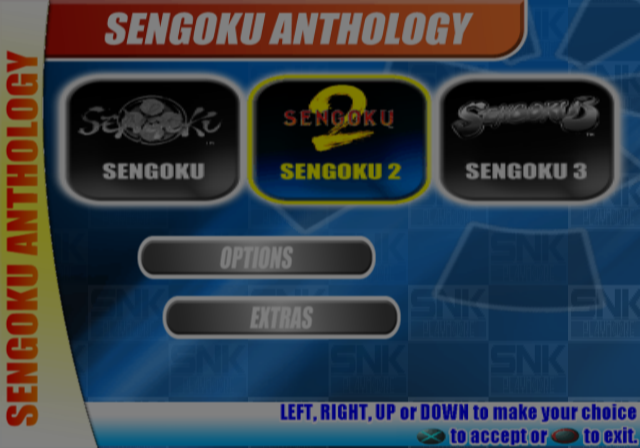
Sengoku: Anthology is a lovingly curated homage to SNK’s arcade legacy, delivering three beat ’em up classics in one convenient package. Whether you’re a retro enthusiast eager to relive pixelated glory or a newcomer curious about arcade history, this collection provides a robust trip through evolving run-and-gun combat. The blend of solo and co-op modes, unlockable galleries, and seamless performance on modern hardware makes it a must-have for genre fans.
The difficulty curve is well balanced: early stages welcome newcomers with manageable enemy patterns, while later levels demand precision, memorization, and quick reflexes. Boss battles, in particular, stand out as memorable gauntlets—each requiring mastery of your character’s moveset and a keen eye for attack tells. Pauses between levels offer a moment to strategize, making triumph over tougher foes all the more satisfying.
While the anthology lacks some modern niceties like online multiplayer or optional filters, its straightforward presentation is part of the charm. The focus remains squarely on pixel-perfect combat and the joy of chaining combos across three distinct eras of arcade design. Longtime fans will appreciate the care taken to preserve these titles, while newcomers will find the pick-up-and-play action immediately accessible.
In sum, Sengoku: Anthology stands as a testament to the enduring appeal of side-scrolling beat ’em ups. With timeless mechanics, vibrant visuals, and a generous helping of nostalgia, it invites players to don their toughest boots, wield their sharpest blades, and fight through history—one punch at a time.

Reviews
There are no reviews yet.