 Retro Replay Retro Replay gaming reviews, news, emulation, geek stuff and more!
Retro Replay Review
Gameplay
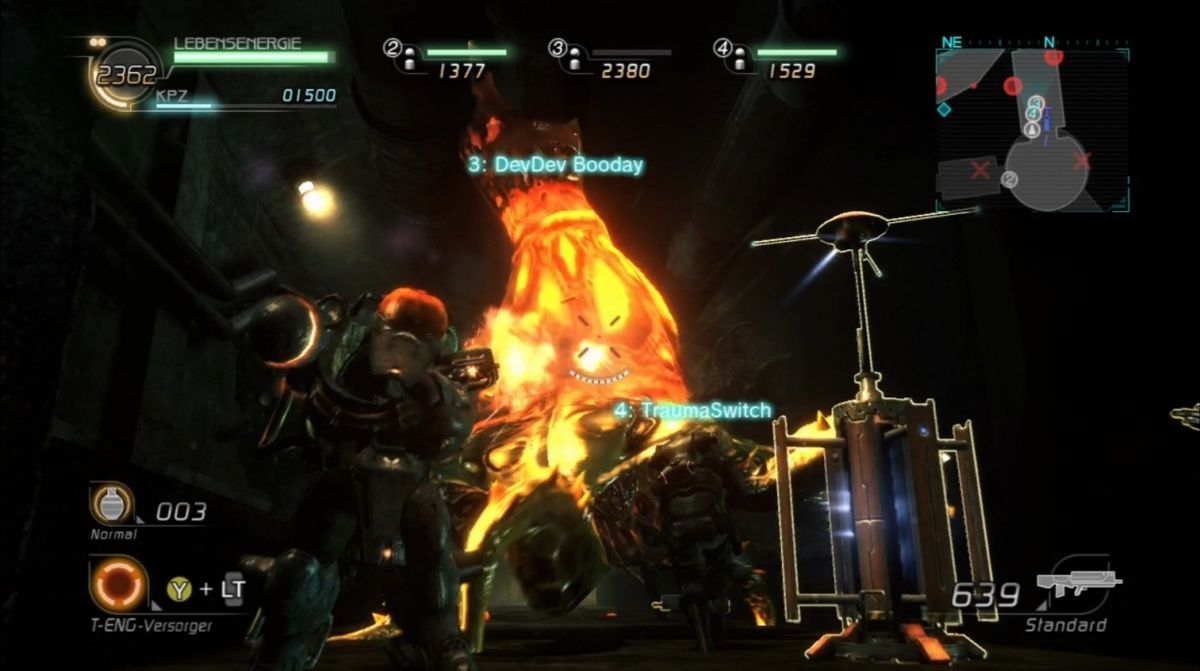
Lost Planet 2 keeps the series’ core third-person shooting intact while putting cooperation at the center of almost every decision. You carry two weapons and a grenade type at once, so machine guns, rocket launchers and explosives require practical trade-offs rather than allowing you to hoard every answer. The result is a shooter that asks you to adapt to what the encounter and your teammates need.
(HEY! We try not to run ads. So this is a very expensive hobby. Please consider signing up for updates, visiting our forums, or just commenting on something you think is cool.👍)
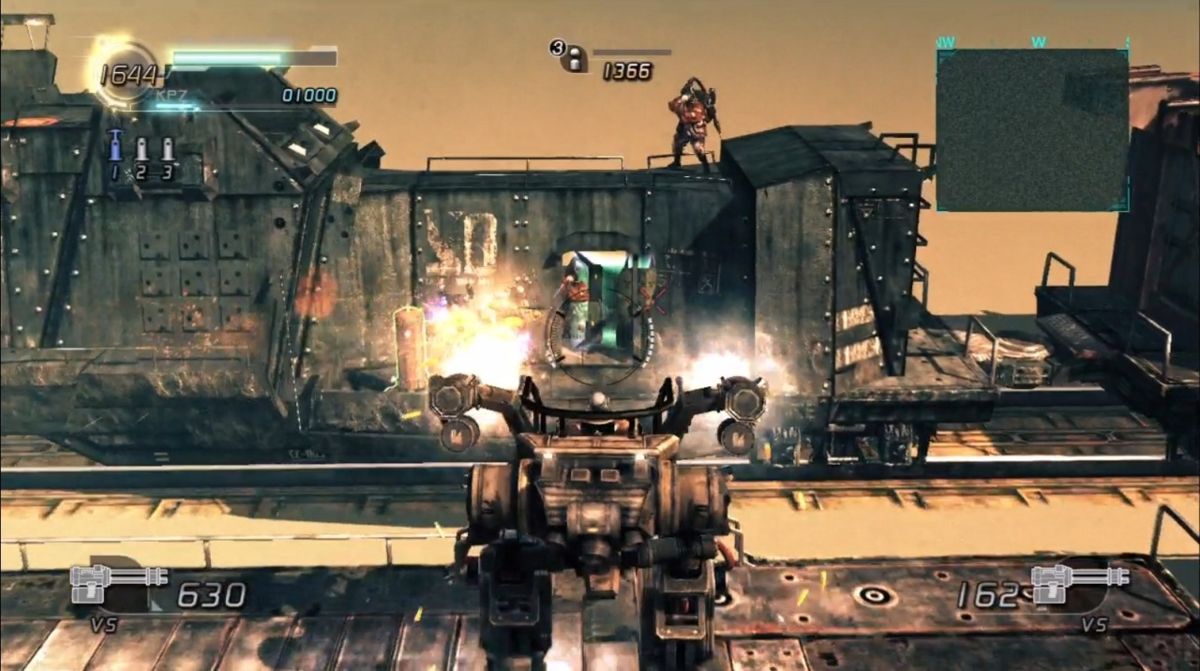
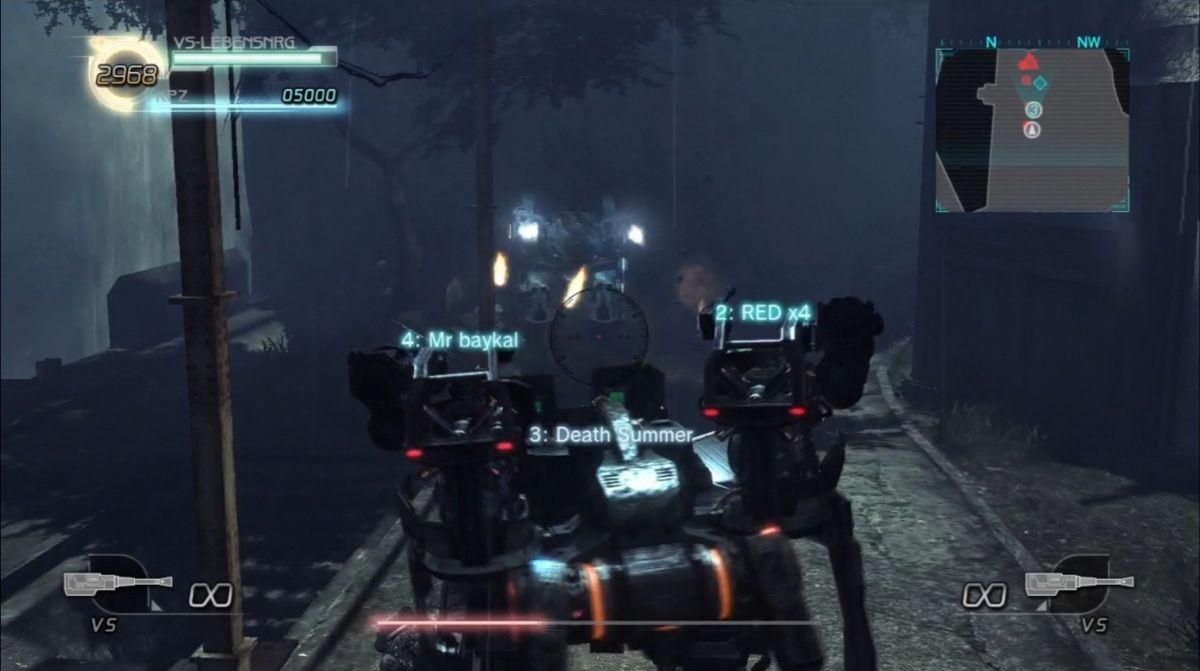
The short-range grappling hook is an important change of pace. It lets you climb structures and walls to bypass obstacles or claim a better firing angle, adding mobility without turning the game into a pure acrobatic shooter. Vital Suits provide the other half of the combat identity: these mech-like vehicles bring a welcome sense of scale, and the three-seat model makes coordinated firing particularly appealing.
Thermal energy is no longer a defense against lethal cold, but it remains the campaign’s pressure system. It slowly restores health, can be accelerated with the harmonizer, opens weapon chests and can be spent to help endangered allies. Combined with combat-point losses on death and section restarts when points run out, these rules make revives and data stations matter. Up to three bots can fill empty co-op slots, but the design is plainly at its best when four players coordinate.
Graphics
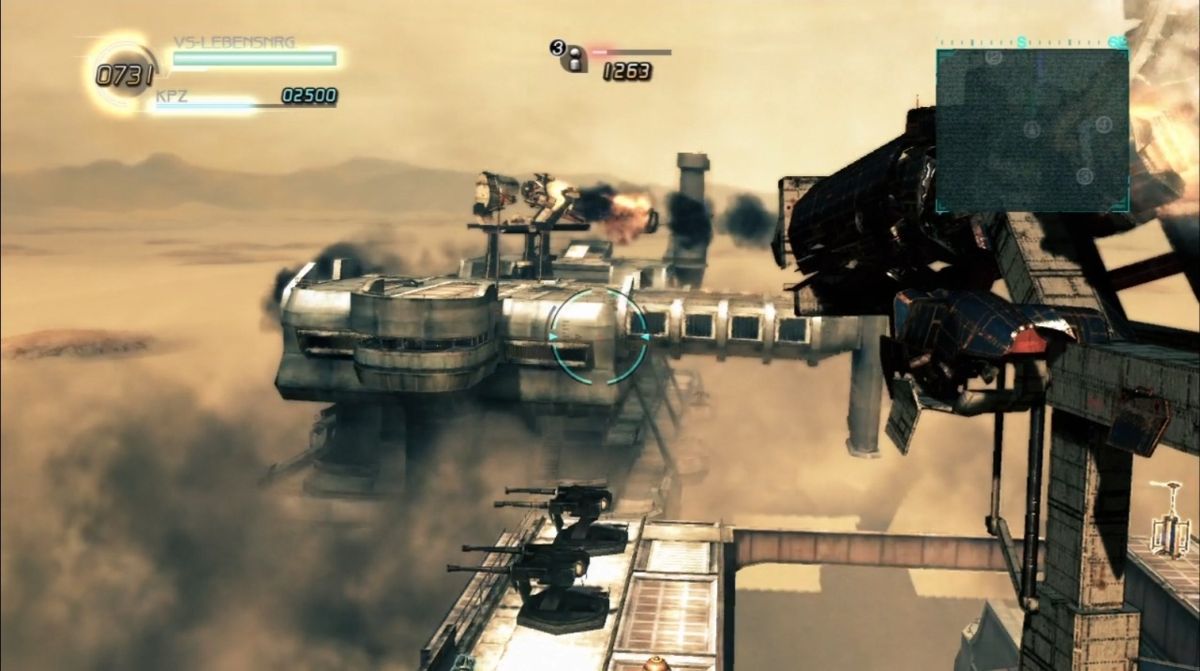
E.D.N. III benefits from a broader environmental range than a simple ice-world premise would suggest. Dried regions, sandy deserts and lush jungles with streams give the campaign a changing backdrop, while the continuing presence of industrial machinery, hostile factions and Akrid keeps the planet feeling dangerous rather than newly comfortable.
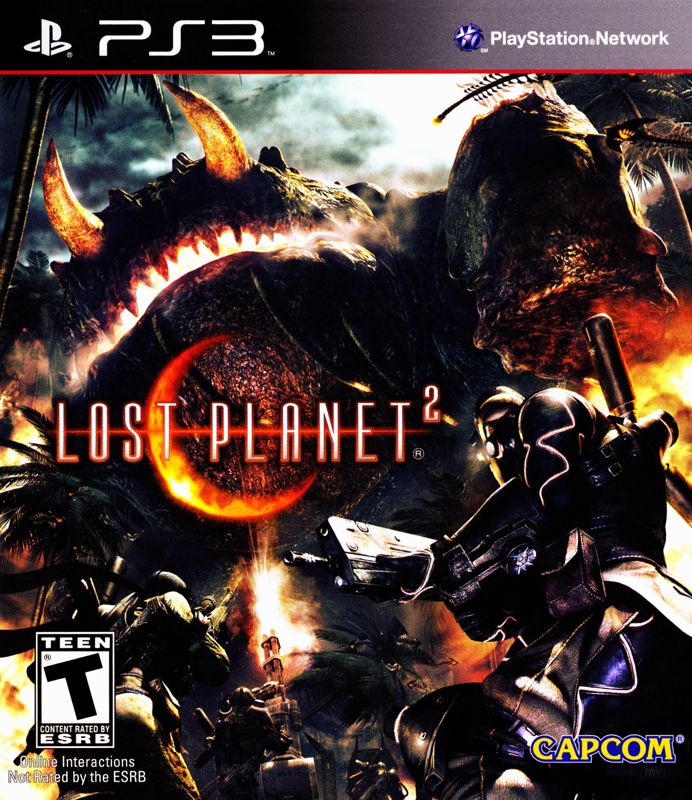
The presentation’s strongest visual idea is scale. Massive creatures and varied Vital Suits give firefights an appropriately science-fictional silhouette, and the ability for three characters to ride and shoot from one suit reinforces the game’s interest in shared spectacle. These are environments designed to support big confrontations, not merely to decorate a shooting gallery.
That variety also helps the six-episode structure avoid becoming visually monotonous. The changing factions and regions supply distinct contexts for the campaign’s combat, even as guns, grenades, grappling and vehicle combat remain the constants. It is a more expansive vision of the setting, with terrain and machinery both serving the action.
Story
Set ten years after the earlier crisis on E.D.N. III, the game establishes a planet transformed by the end of its permanent ice. The new climate has made jungles and deserts possible, but it has not made the world safe. Akrid remain a major danger, while thermal energy is still valuable enough to fuel political and military conflict.
The campaign is divided into six episodes, each following a different faction. That structure initially presents the conflict in fragments, asking you to see the planet through competing interests rather than through a single hero’s journey. As the episodes progress, their connections become clearer and the larger threat to E.D.N. III takes shape.
NEVEC’s new scheme and the factions’ civil war give the action a backdrop beyond monster hunting. The story is most effective as a framework for shifting alliances, changing perspectives and cooperative missions across a contested planet. Players looking for a single continuous protagonist may find the structure less immediate, but the faction-based approach suits the game’s ensemble focus.
Overall Experience
Lost Planet 2 is a cooperative action game with more moving parts than its straightforward gunplay first suggests. Weapon limits, thermal-energy management, revives, combat points, grappling and Vital Suits all contribute to a campaign where positioning and teamwork are as valuable as raw accuracy. Its best moments should come from a squad solving pressure-filled encounters together.
Outside the campaign, traditional multiplayer supports up to 16 players with modes including deathmatch, while training challenges test a broader range of skills for medals. Campaign progress also unlocks multiplayer customization, including weapons, armor and gestures, through faction leveling and a credit-spending roulette system. There is plenty here for players who want both cooperative progression and competitive play.
This is best suited to players who enjoy science-fiction shooters that embrace coordination, vehicle combat and high-stakes recovery systems. Solo players can use bots, but the four-player design is the main attraction and the source of the game’s largest-scale appeal. Its ambitious mixture of faction episodes and interconnected combat systems is compelling, even if the cooperative emphasis can make it less immediately approachable than a more conventional solo shooter.


Reviews
There are no reviews yet.