 Retro Replay Retro Replay gaming reviews, news, emulation, geek stuff and more!
Retro Replay Review
Gameplay
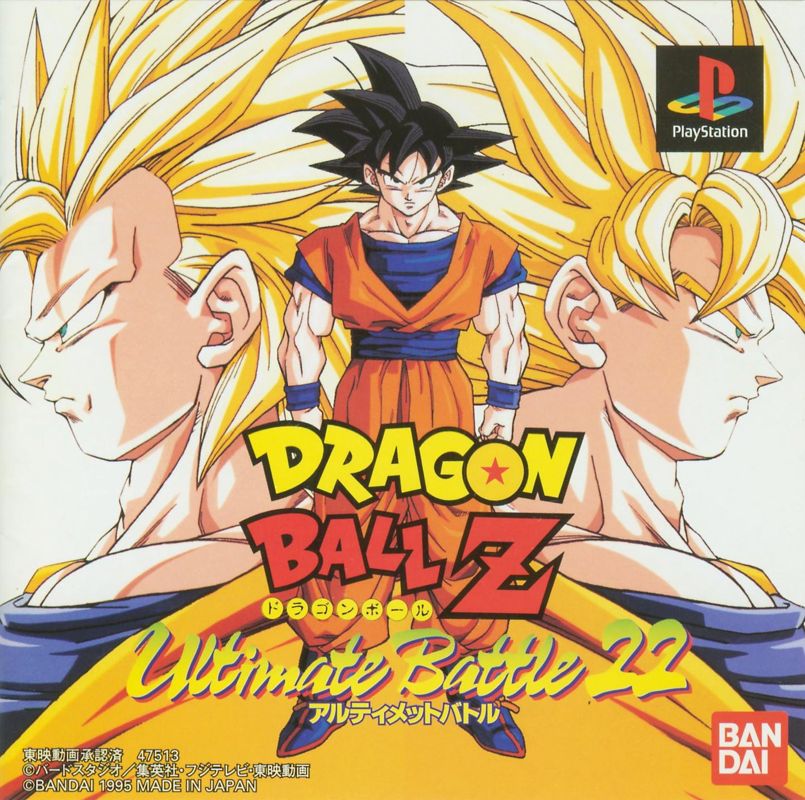
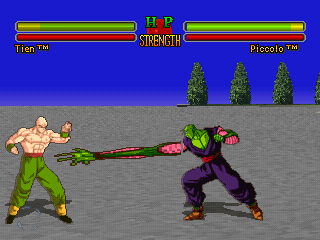
Dragon Ball Z: Ultimate Battle 22 embraces the classic 2D fighting formula, delivering fast-paced matchups that capture the high-energy clashes fans expect from the franchise. Each character boasts a distinct move set inspired by their anime abilities: whether you’re unleashing Goku’s Kamehameha or Vegeta’s Galick Gun, the core mechanics feel responsive and punchy. Combos are relatively simple to string together, making it easy for newcomers to pull off satisfying sequences, while veterans can master timing windows for more elaborate juggles.
(HEY YOU!! We hope you enjoy! We try not to run ads. So basically, this is a very expensive hobby running this site. Please consider joining us for updates, forums, and more. Network w/ us to make some cash or friends while retro gaming, and you can win some free retro games for posting. Okay, carry on 👍)
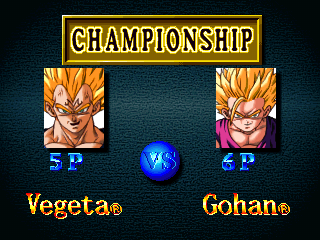
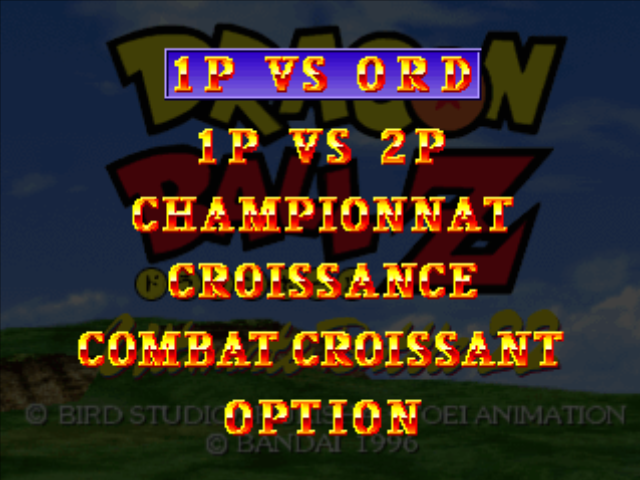
The title offers four main modes—Story, Versus, Tournament, and Power Battle—ensuring plenty of variety. Story Mode loosely follows key Dragon Ball Z arcs, unlocking characters and arenas as you progress. Versus Mode lets you jump straight into one-on-one duels, perfect for practice or quick showdowns with a friend. Tournament Mode recreates the spirit of the World Martial Arts Tournaments, pitting you against a rotating cast in bracket-style challenges. Finally, Power Battle Mode tasks you with taking on waves of enemies, testing your endurance and resource management.
While the gameplay loops are satisfying, some players may notice a lack of depth compared to modern fighters. There are no super meters that charge beyond your standard Ki gauge, and environmental interactions are limited. That said, the straightforward design works in the game’s favor, ensuring matches remain accessible and focused squarely on direct combat. For fans seeking pure Dragon Ball brawling with minimal bells and whistles, Ultimate Battle 22 delivers reliably fun battles every time.
Graphics
On the visual side, Dragon Ball Z: Ultimate Battle 22 employs hand-drawn 2D sprites that evoke the early ’90s fighting scene. Character portraits and animations stay true to the anime’s style, capturing iconic stances, energy attacks, and power-up moments. While some sprites may appear slightly pixelated up close, the overall design remains charming and evokes nostalgia for the franchise’s golden era.
Stage backgrounds are varied and faithfully recreate Dragon Ball locales—from the rocky wasteland of Planet Namek to Capsule Corporation’s gleaming complex. Each arena is adorned with subtle animations, such as drifting clouds or crackling energy fields, which help bring these environments to life. However, repeated combat in the same arenas can start to feel a bit static, as interactive elements and stage transitions are minimal.
Lighting effects during special moves offer a small but welcome visual punch. Energy blasts flare with bright hues, and screen shakes accompany high-impact strikes, giving battles a sense of scale. Though it doesn’t rival modern HD fighters in terms of polish, the game’s graphical presentation succeeds in delivering an authentic Dragon Ball Z aesthetic, balancing nostalgia with solid technical execution.
Story
The Story Mode loosely threads through Dragon Ball Z’s legendary sagas, allowing you to reenact major battles from the Saiyan and Frieza arcs to the Cell Games. While the narrative is pared down—presented mostly via brief text boxes and static illustrations—it offers enough context to keep fans engaged. Key cutscenes trigger at pivotal moments, such as Goku’s arrival on Namek or Gohan’s Super Saiyan 2 transformation, which adds a dramatic flair to your fights.
Dialogues are concise and occasionally replicate classic lines from the series, but don’t expect deep character interactions or fully voiced scenes. Because the focus remains on the fighting, narrative pacing is brisk: you’ll hop from one boss encounter to the next without extended exposition. This streamlined approach is ideal for players who want to experience the beats of Dragon Ball Z’s storyline without lengthy interruptions.
For newcomers, the Story Mode provides a basic primer on the franchise’s major conflicts, introducing motivations behind each character’s battle. Veterans will appreciate the nods to iconic moments, though they may find the overall narrative skeletal. Regardless, Ultimate Battle 22’s Story Mode functions more as a structured campaign of fights than an in-depth retelling, perfectly suiting its identity as a purebred fighter.
Overall Experience
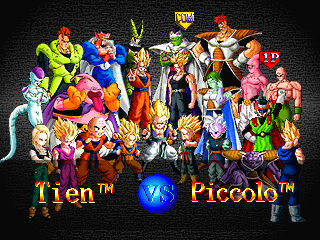
Dragon Ball Z: Ultimate Battle 22 stands out as a straightforward, nostalgia-driven fighting game that caters squarely to fans of the series. Its accessible controls, respectable roster of 22 base characters, and multiple play modes ensure that there’s always another match waiting. Whether you’re reliving classic showdowns or discovering the roster for the first time, battles remain engaging and varied.
That said, the lack of advanced fighting mechanics and limited post-game content mean that hardcore competitive players might find the experience somewhat shallow. There are no online features, and local multiplayer is restricted to two participants, so the game’s replayability relies heavily on your personal enjoyment of the Dragon Ball Z universe. If you’re seeking deep combo systems or ongoing updates, you may need to look elsewhere.
Ultimately, Dragon Ball Z: Ultimate Battle 22 succeeds as a no-frills homage to the source material. Its strengths lie in accessible, button-mashing fun, faithful character depictions, and the thrill of reenacting legendary Z-Fights. For collectors and longtime fans craving a retro-style DBZ brawler, it remains a worthy addition to the library.


Reviews
There are no reviews yet.