 Retro Replay Retro Replay gaming reviews, news, emulation, geek stuff and more!



Retro Replay Review
Gameplay
Dragon Quest IV: Michibikareshi Monotachi refreshes one of the series’ most beloved entries with modern conveniences while preserving the classic turn-based battle system that fans cherish. The core loop of exploring towns, dungeons, and overworlds remains intact, but the remake brings significant enhancements that streamline progression and engagement. Each chapter still focuses on a different protagonist, weaving their stories together into a grand narrative arc that culminates in a thrilling finale.
(HEY YOU!! We hope you enjoy! We try not to run ads. So basically, this is a very expensive hobby running this site. Please consider joining us for updates, forums, and more. Network w/ us to make some cash or friends while retro gaming, and you can win some free retro games for posting. Okay, carry on 👍)
One of the most notable gameplay upgrades is the ability to directly control all characters in battle. In the original version, many characters acted under AI guidance, but now you can toggle off the automated tactics and issue orders to every ally. This flexibility caters to both purists—who want full manual control—and newcomers, who may prefer letting the AI handle repetitive commands. The enhanced “party talk” feature also invites you to pause anywhere and chat with your teammates, unlocking character development tidbits and strengthening your emotional investment.
Beyond the main storyline, the remake adds a variety of side activities that enrich the experience. You can build and manage an immigrant town, recruit NPCs, and collect monsters to fight alongside you. Mini-games sprinkled throughout the world provide pleasant diversions, and the new prologue and post-game chapters offer fresh challenges and deeper context. These additions extend playtime considerably, ensuring both longtime fans and newcomers have plenty to explore.
Graphics
This remake undergoes a complete graphical overhaul, transitioning from 2D to fully realized 3D environments. Towns, castles, and labyrinths feel alive with rounded edges and dynamic lighting, yet the series’ signature charm remains intact. The world map itself is a vibrant playground, with drawbridges, towers, and shorelines rendered in crisp detail that encourage thorough exploration.
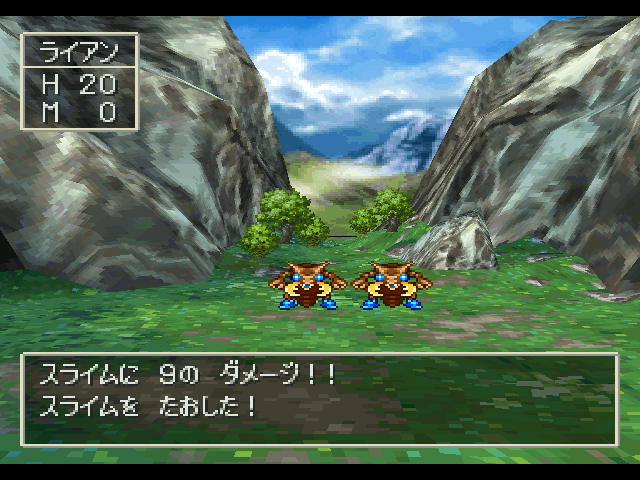
Character presentation cleverly marries 3D backgrounds with 2D sprites, reminiscent of Dragon Quest VII’s aesthetic. Heroes, villains, and NPCs maintain their iconic designs but benefit from smoother animations and expressive idle poses. The result is a visual style that honors the franchise’s heritage while embracing modern hardware capabilities.
During battles, the backgrounds now shift to reflect the current location—icy caverns glisten with frost, and desert dunes shimmer under a blazing sun. Environmental interaction is more tactile, too: you can see your characters lift barrels, smash pots, and search crates for hidden items. These subtle touches deepen immersion and reward curious players.
Story
The narrative structure of Dragon Quest IV revolves around five distinct character-driven chapters before converging into a final mission. Each hero’s journey is compelling on its own, exploring themes of duty, friendship, and destiny. The remake’s polished dialogue and additional story beats help clarify motivations and relationships, making every twist and reunion more impactful.
The inclusion of a prologue sets the stage with immediate stakes, introducing the looming threat that ties the protagonists together. After the main quest, a new post-game chapter expands on the lore and reveals what becomes of your champions. These extra sequences add satisfying closure and encourage players to complete side-quests before plunging into endgame content.
“Party talk” enriches the storytelling by granting insights into each character’s personality. Stopping in the middle of your journey for brief conversations can yield humorous anecdotes, tips on upcoming challenges, and glimpses into their lives beyond the battlefield. This feature strengthens bonds between party members, making climactic confrontations resonate with genuine emotion.
Overall Experience
Dragon Quest IV: Michibikareshi Monotachi stands as a shining example of how to modernize a classic RPG without sacrificing its soul. The balance between old-school turn-based battles and contemporary quality-of-life improvements ensures the game appeals to both veterans and newcomers. Exploration remains rewarding, and the pacing across chapters keeps momentum high.
While some purists may miss the simpler presentation of the original, the graphical enhancements and expanded content more than compensate for any nostalgia pangs. Occasional loading screens between areas feel like a minor trade-off for such vast, detailed environments. Additionally, the new sub-quests and mini-games provide welcome breaks from the main plot without ever feeling tacked-on.
In sum, Dragon Quest IV: Michibikareshi Monotachi delivers a comprehensive, engaging RPG package. Its refreshed visuals, enriched soundtrack, and thoughtfully expanded gameplay features come together to create a timeless adventure. Whether you’re revisiting a childhood favorite or experiencing Chapter 1 of the Zenithian saga for the first time, this remake is a worthy addition to any role-playing fan’s library.


Reviews
There are no reviews yet.