 Retro Replay Retro Replay gaming reviews, news, emulation, geek stuff and more!
Retro Replay Review
Gameplay
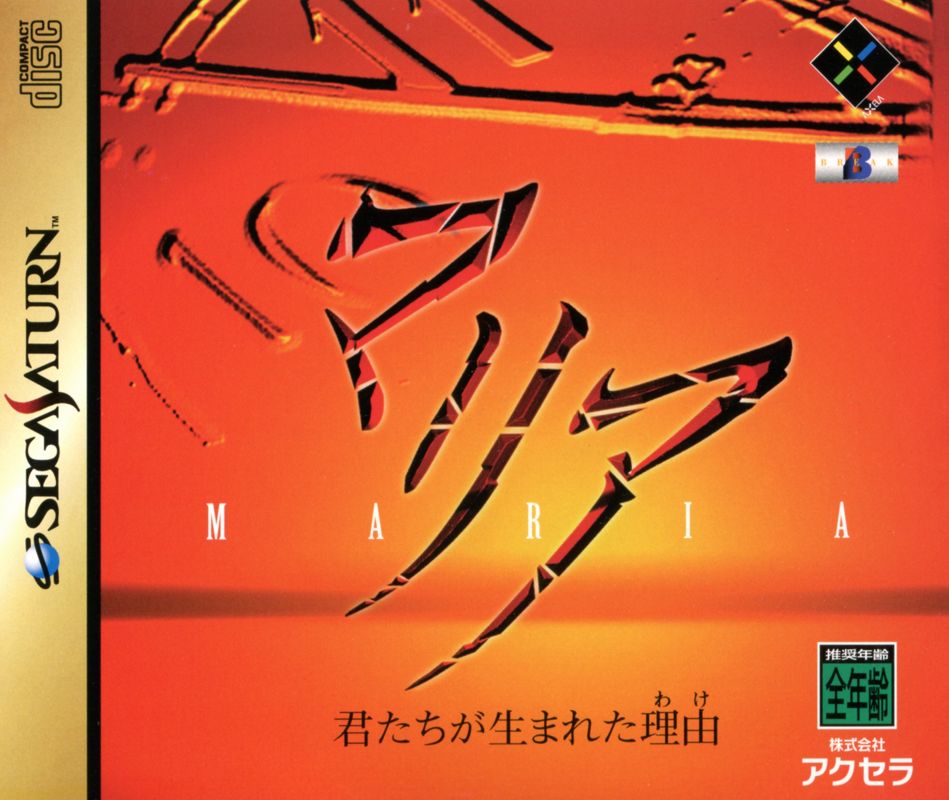
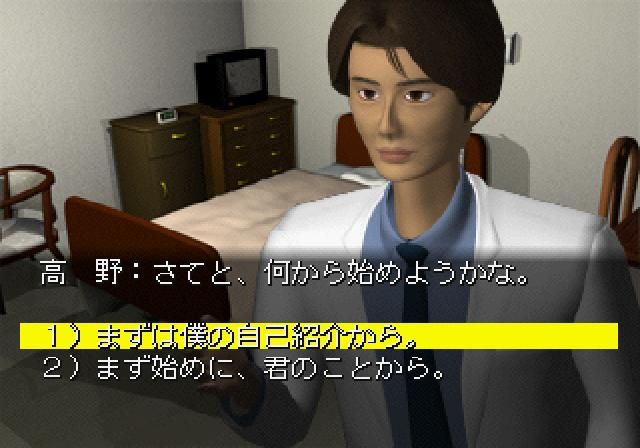
Maria: Kimitachi ga Umareta Wake blends the tranquility of a visual novel with the subtle interactivity of choice-driven storytelling. As Dr. Takano, you spend most of your time reading text, absorbing detailed character monologues and narrative exposition. Periodically, the game pauses to present you with two or more dialogue or action options, each of which steers the story down different psychological paths. This structure keeps you attentive, knowing that each decision could either coax Maria’s fractured psyche toward healing or catapult her deeper into despair.
(HEY YOU!! We hope you enjoy! We try not to run ads. So basically, this is a very expensive hobby running this site. Please consider joining us for updates, forums, and more. Network w/ us to make some cash or friends while retro gaming, and you can win some free retro games for posting. Okay, carry on 👍)
The pacing of the choices feels deliberate. Rather than bombarding you with constant branching, the game reserves pivotal moments for decision-making, ensuring that each choice carries emotional weight. There are no convoluted skill checks or hidden meters; instead, your success is measured by the evolution of Maria’s personalities. This approach underscores the game’s identity as an interactive drama rather than a gamified puzzle.
While the interactivity is relatively light, the writing compensates with depth. You’ll find yourself analyzing social cues and emotional subtext, trying to decipher which lines of questioning will bridge the gap to Maria’s “other self.” This delicate balance between passive reading and active engagement fosters a sense of responsibility: you’re not just a spectator, but the very catalyst for Maria’s fate.
For players accustomed to high-octane action, the deliberate tempo may seem slow initially. However, those who appreciate character-driven narratives and meaningful choice will discover a rewarding experience. The lack of repetitive mini-games or filler content means almost every scene advances either the plot or the emotional stakes.
Graphics
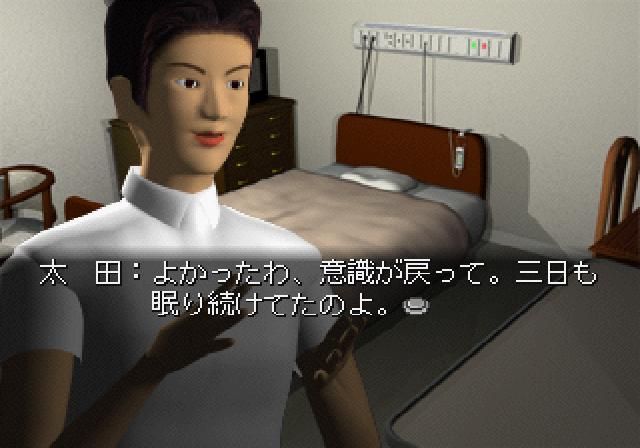
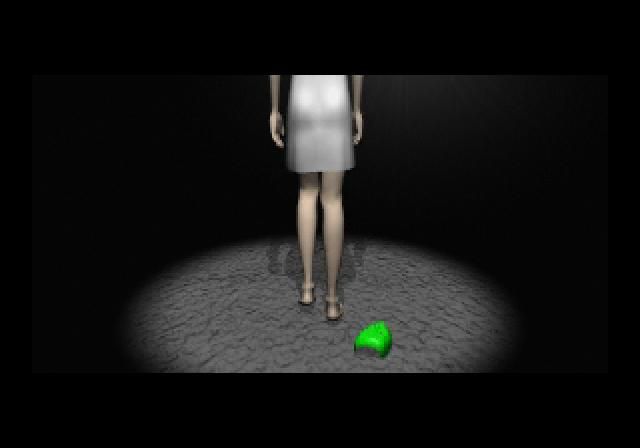
Departing from the typical 2D anime aesthetic, Maria features semi-realistic CG pre-rendered backgrounds that evoke a clinical yet haunting atmosphere. The hospital corridors appear sterile, with muted colors and soft lighting that often give way to shadowy corners during tense moments. These environments feel lived-in, reinforcing the game’s psychological themes.
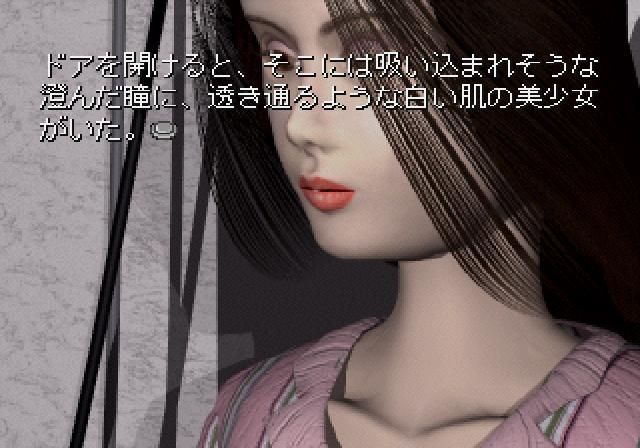
Character models maintain a balance between realism and stylized design. Maria’s expressions shift convincingly between vulnerability and menace, especially when her alter ego surfaces. Dr. Takano’s features are more subdued, reflecting his professional restraint, but nuanced animations—like a tightened jaw or a hesitant glance—help convey internal conflict.
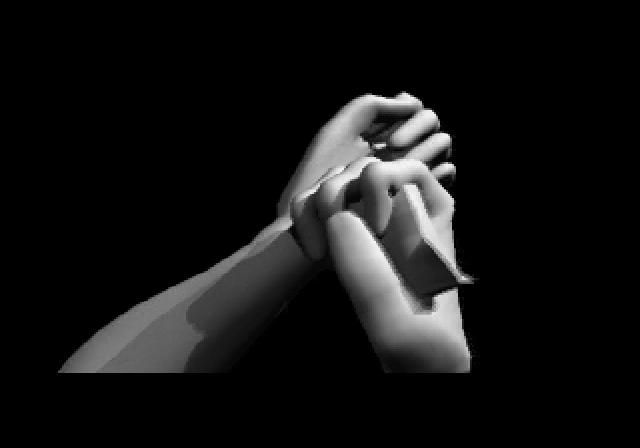
Interspersed throughout the narrative are fully animated CG movie sequences that heighten dramatic peaks. These brief cutscenes use dynamic camera angles and atmospheric soundscapes to amplify emotional tension, such as when Maria’s two personalities clash in a whispered dialogue. While not abundant, these animated moments are striking and lend the story a cinematic flair.
One slight drawback is the static nature of most illustrations during dialogue segments. Background art remains fixed, and character sprites occasionally gesture awkwardly when delivering crucial lines. Yet, the overall cohesion of art direction and soundtrack compensation helps maintain immersion throughout the experience.
Story
The narrative of Maria: Kimitachi ga Umareta Wake revolves around a young psychiatrist, Dr. Takano, and his new patient, Maria—a woman recovering from a suicide attempt and suffering from amnesia. Early scenes establish Maria’s fragile mental state and Dr. Takano’s professional determination to help her regain her identity. This foundation fosters empathy, as each bit of recovered memory hints at the deeper mysteries hidden within Maria’s mind.
As the plot unfolds, you discover that Maria is battling schizophrenia, with a darker alter ego threatening to seize control. The “evil” persona is portrayed with chilling intensity, juxtaposed against Maria’s innocent sweetness. This duality drives a psychological thriller narrative, where every conversation feels like a cerebral game of cat and mouse, and every revelation exposes new layers of intrigue.
The game excels at character development. Dr. Takano’s internal monologues reveal his anxieties about crossing professional boundaries, while Maria’s fragmented recollections paint an increasingly complex picture of her past. Secondary characters—nurses, fellow doctors, and Maria’s acquaintances—contribute subplots that enrich the main storyline without overwhelming it.
While some twists can be anticipated by genre veterans, the emotional impact remains strong. Maria’s struggle for self-preservation and the ethical dilemmas faced by Dr. Takano evoke genuine tension. The branching narrative ensures that your choices influence not only the ending but also the nature of the revelations along the way.
Overall Experience
Maria: Kimitachi ga Umareta Wake offers a compelling fusion of psychological depth and interactive fiction. Its deliberate pacing and focus on dialogue-driven gameplay may not appeal to action-seekers, but fans of narrative-rich experiences will find plenty to admire. The careful balance between reading, decision-making, and cinematic interludes creates a cohesive journey.
The game’s atmosphere—propelled by semi-realistic visuals, haunting sound design, and spot-on voice acting—immerses you in the clinical world of psychiatric care. Moments of quiet reflection alternate with bursts of tension, keeping the emotional stakes elevated throughout your playthrough.
Replay value stems from multiple branching paths. Players curious about alternative outcomes can revisit key decision points to see how different choices alter Maria’s state of mind and the ultimate resolution. This design encourages thoughtful exploration of the game’s moral and psychological quandaries.
Ultimately, Maria: Kimitachi ga Umareta Wake stands out as a mature, introspective title. If you appreciate interactive novels that tackle serious themes and prioritize character over combat, this game is a worthy addition to your collection. It challenges you to consider the fragile nature of identity and the power of empathy in mental health treatment, all while delivering a memorable, emotionally charged narrative.


Reviews
There are no reviews yet.