 Retro Replay Retro Replay gaming reviews, news, emulation, geek stuff and more!




Retro Replay Review
Gameplay
Namco: Anthology 1 delivers a unique gameplay package by bringing together four distinct titles—Babel, Haō no Tairiku, Star Luster, and Wrestleball—each of which has been “arranged” with new features and balances. Rather than a straight port, every game benefits from quality-of-life improvements that smooth out difficulty spikes, introduce modern control schemes, and add optional challenges. As a result, both veterans of the original releases and newcomers can find a comfortable entry point into these classics.
(HEY YOU!! We hope you enjoy! We try not to run ads. So basically, this is a very expensive hobby running this site. Please consider joining us for updates, forums, and more. Network w/ us to make some cash or friends while retro gaming, and you can win some free retro games for posting. Okay, carry on 👍)
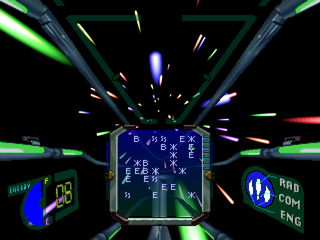
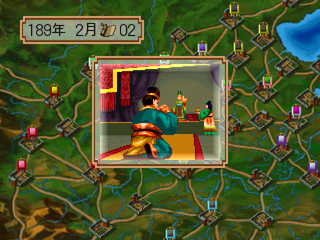
In Babel, the frantic, vertical-scrolling action is punctuated by new power-ups and a refined scoring system that rewards strategic play rather than mere survival. Haō no Tairiku’s blend of strategic map movement and real-time skirmishes feels more responsive thanks to tweaks in unit speed and AI behavior. Star Luster transforms its once-clunky 3D flight sequences into smoother, more readable dogfights, while Wrestleball introduces fluid grapple mechanics and expanded playfields that refresh the original sports-arcade formula.
Multiplayer options, where available, have been polished as well. Wrestleball’s head-to-head matches now run at a steady frame rate online and offer optional assists for new players. Although Babel and Star Luster remain primarily single-player experiences, they include bonus challenge modes that can be shared via friend codes or local pass-and-play. Overall, the anthology’s gameplay feels both faithful and forward-looking—respecting where these games started but not being afraid to modernize where it counts.
Graphics
One of the most striking elements of Namco: Anthology 1 is its overhauled visual presentation. Each title has received “arranged” graphics that maintain the retro charm of the originals while offering higher-resolution sprites, richer color palettes, and subtle animation enhancements. The result is a cohesive package that feels more like a remaster than a basic port.
In Babel, the brick patterns and enemy sprites gain new shading and detail that make each stage visually distinct. Haō no Tairiku’s world map and battle sprites have been redrawn with smoother outlines and more expressive character portraits. Star Luster’s vector-style starfields and cockpit HUD are now clearer, with crisp lines and vibrant neon hues. Even Wrestleball benefits from dynamic lighting effects on the pitch, making passes and tackles feel more impactful.
Beyond pure resolution upgrades, the arranged modes introduce optional visual filters that pay homage to CRT displays or emulate a vintage arcade cabinet’s glow. Players can toggle scanlines, adjust bloom intensity, or switch between classic and modern color schemes on the fly. These options allow you to tailor the graphical presentation to your personal taste, whether you want a nostalgia trip or a sharper, contemporary look.
Story
While none of the included games are narrative epics, Namco: Anthology 1 frames each title with new introduction sequences and interstitial lore tidbits. Babel’s premise of scaling a mysterious tower receives context in a brief animated prologue, giving the player a clearer goal than “reach the top.” Haō no Tairiku adds story text between campaign missions, fleshing out kingdom alliances and rivalries that were largely absent in the original release.
Star Luster’s space exploration theme is bolstered by mission briefings and star charts that hint at a larger galactic conflict. Though still sparse compared to modern space sims, the new framing provides motivation beyond “find and destroy the enemy fleet.” Wrestleball gets the lightest narrative touch—teams now have stylized introductions and victory cutscenes that lend personality to otherwise straightforward sports action.
These story enhancements never overstay their welcome. They’re succinct, skippable, and primarily serve to orient players unfamiliar with 1980s and ’90s arcade storytelling conventions. The anthology strikes a balance between preserving the arcade roots of brevity and giving each game enough narrative scaffolding to feel purposeful.
Overall Experience
Namco: Anthology 1 stands out among retro compilations by offering more than mere preservation. Its arranged versions demonstrate a thoughtful approach to classic game design, updating core systems while keeping the original spirit intact. For collectors, it’s a chance to own definitive editions of Babel, Haō no Tairiku, Star Luster, and Wrestleball; for newcomers, it’s a gateway to four unique gameplay experiences in one package.
Menus are slick and intuitive, allowing you to switch between titles or jump into challenge modes within seconds. The built-in museum gallery provides concept art, original cabinet scans, and developer interviews (with subtitles), enhancing the sense of historical context. Soundtracks have also been remixed, marrying chiptune nostalgia with richer instrumentation.
Whether you’re drawn by the variety of genres—action, strategy, space combat, and sports—or simply admire Namco’s legacy, Anthology 1 delivers hours of content and replayability. Its polished presentation and quality-of-life improvements make this compilation a must-have for fans of retro gaming and a highly recommended purchase for anyone seeking an affordable, curated dose of arcade history.

Reviews
There are no reviews yet.