 Retro Replay Retro Replay gaming reviews, news, emulation, geek stuff and more!
Retro Replay Review
Gameplay
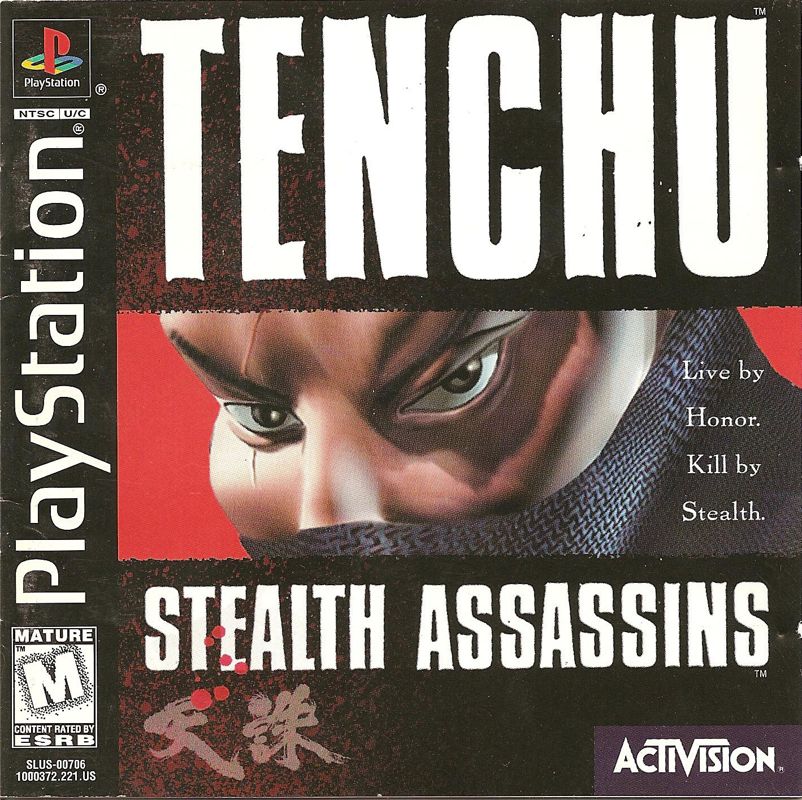
Tenchu: Stealth Assassins places you in the sandals of either Rikimaru or Ayame, two elite ninja in 16th century Japan, tasked by the benevolent Lord Gohda to eliminate threats both human and supernatural. From the very first mission, the game sets the tone for careful, calculated infiltration rather than run‐and‐gun action. Players must study patrol routes, time their movements, and employ a variety of stealth techniques—hiding in shadows, scaling walls with a grappling hook, and using silent weapons—to strike unseen and vanish without alarm.
(HEY YOU!! We hope you enjoy! We try not to run ads. So basically, this is a very expensive hobby running this site. Please consider joining us for updates, forums, and more. Network w/ us to make some cash or friends while retro gaming, and you can win some free retro games for posting. Okay, carry on 👍)
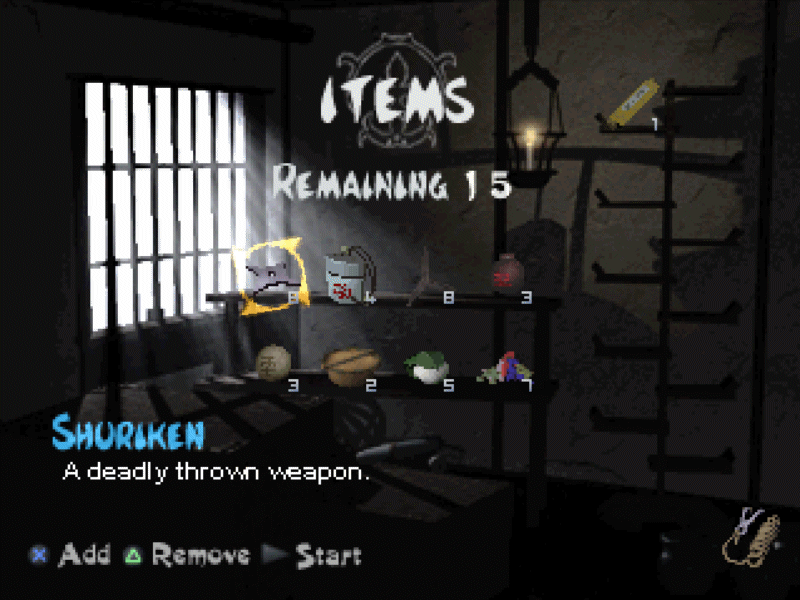
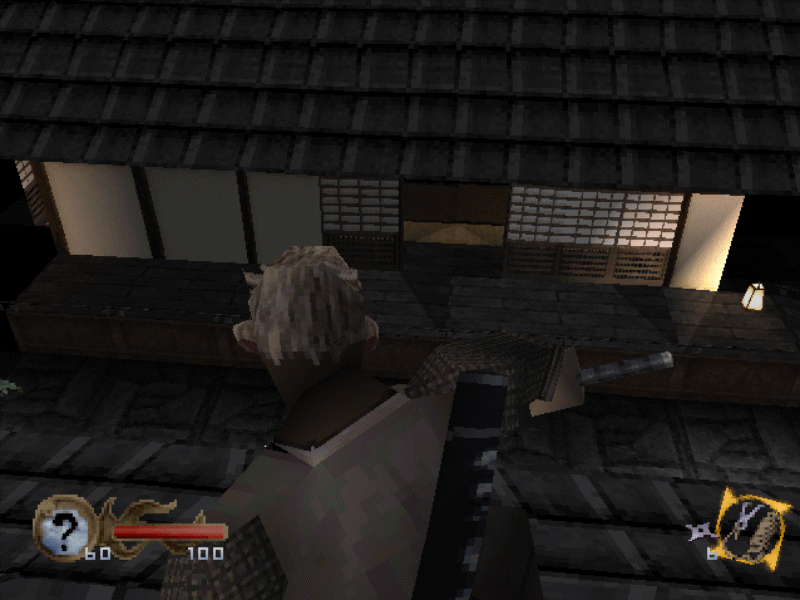
Each level rewards discretion: a successful unseen approach not only guarantees mission completion but also yields higher scores, unlocking superior equipment for subsequent quests. The grappling hook, in particular, transforms standard rooftops into intricate pathways, allowing you to bypass guards or position yourself above unsuspecting enemies. Whether you’re creeping through bamboo groves or skulking along castle parapets, the tactile feedback of each blade draw and hook swing reinforces the sense that patience, not brute force, is your greatest weapon.
As the story unfolds, mission objectives diversify beyond simple assassination. You’ll sabotage enemy resources, rescue captured allies, and even track down mythical enemies like tengu goblins and oni demons. Each new threat introduces fresh mechanics—crowd distractions, environmental traps, multi‐stage pursuits—keeping gameplay varied and challenging. Although some later stages can feel steep in difficulty, the satisfaction of a perfectly executed silent takedown remains consistently rewarding.
Graphics
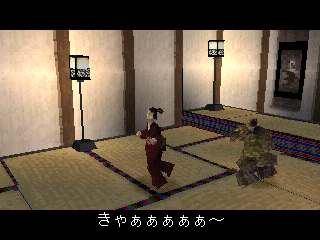
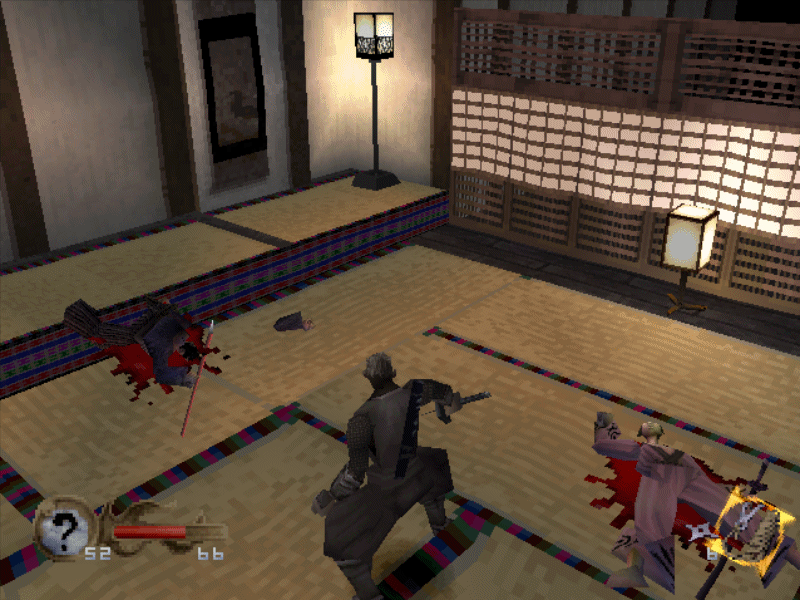
For its era, Tenchu’s fully 3D environments are impressively detailed, striking a fine balance between moody atmosphere and historical accuracy. Japanese castles loom with imposing stonework, lanterns cast flickering shadows along wooden corridors, and mist‐shrouded mountain retreats evoke a sense of otherworldly danger. Texture work on armor plates, tiled roofs, and weathered stone holds up well, immersing players in each meticulously crafted locale.
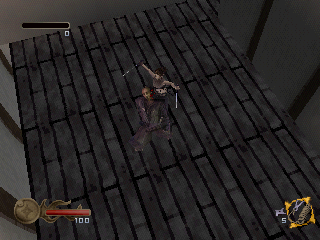
Character animations—particularly the fluidity of stealth kills and grappling‐hook maneuvers—remain a highlight. Rikimaru’s silent draw and Ayame’s rapid blade strikes transition seamlessly from one motion to the next, reinforcing the ninja fantasy. Enemy guards jerk to attention when alerted, sweeping their changeable patrol routes with torches that create dynamic lighting effects. Occasional clipping issues and pop‐in are present but seldom detract from the overall visual appeal.
Complementing the environments is a soundtrack that adapts to your stealth status: soft, traditional instrumentation underscores cautious creeping, while percussive drums and flutes escalate during alarms or boss encounters. Engine‐rendered cutscenes maintain a consistent art style, linking chapters of the narrative with cinematic flair. Though the resolution and polygon counts show their age on modern displays, the game’s strong aesthetic choices continue to convey tension and beauty in equal measure.
Story
Set against the turbulence of feudal Japan, Tenchu weaves a narrative of loyalty, betrayal, and the supernatural. Lord Gohda’s compassion makes him an outlier among samurai lords, inspiring both admiration and envy. As Rikimaru or Ayame, you serve this just ruler, first cleansing his domain of unsavory rogues and corrupt officials. The initial missions read like classic ninja tales—silent murders in moonlit courtyards, secret intelligence gatherings, and the ever‐present threat of discovery.
However, the plot takes a darker turn when tengu goblins and oni demons emerge from Japanese folklore to menace the land. These supernatural foes elevate the stakes beyond political intrigue, introducing fantasy elements that test your skills in entirely new ways. The story branches subtly depending on which ninja you choose, with Ayame’s personal vendetta against corrupt ministers contrasting Rikimaru’s more stoic sense of duty. This dual perspective adds replay value and deepens your understanding of the world and its characters.
Engine‐driven cutscenes bridge missions with dramatic flair, depicting Lord Gohda’s struggles and the ninja’s internal conflicts. While voice acting can feel patchy at times, the script’s blend of honor‐bound dialogue and mythic menace captures the spirit of classic jidaigeki (period drama). Overall, the narrative pacing keeps you engaged from the first silent infiltration to the final showdown against a fearsome oni warlord.
Overall Experience
Tenchu: Stealth Assassins remains a landmark title for fans of stealth gaming and Japanese historical settings. Its blend of methodical gameplay, atmospheric graphics, and a story that balances human drama with supernatural thrills creates a cohesive and memorable package. Mission variety and the branching ninja perspectives ensure that no two playthroughs feel identical, encouraging experimentation with different tactics and routes.
While certain technical elements—camera angles, guard AI quirks, and dated visuals—highlight the game’s age, they rarely overshadow the core experience. The satisfaction of pulling off a flawless silent kill never grows old, and the tension of near‐detection keeps adrenaline levels high throughout many missions. Side objectives, hidden collectibles, and scoring mechanics add layers of depth that reward thorough exploration and mastery.
For potential buyers seeking an early 3D stealth adventure with a rich cultural backdrop, Tenchu: Stealth Assassins is well worth revisiting or picking up for the first time. Its pacing can be deliberate, its challenges unforgiving, but the payoff—a true ninja fantasy realized in historical Japan—is as compelling today as it was at release. Whether you’re stalking human targets in moonlit villages or confronting otherworldly demons on mountain strongholds, Tenchu delivers a unique, immersive experience that continues to influence the genre.


Reviews
There are no reviews yet.