 Retro Replay Retro Replay gaming reviews, news, emulation, geek stuff and more!



Retro Replay Review
Gameplay
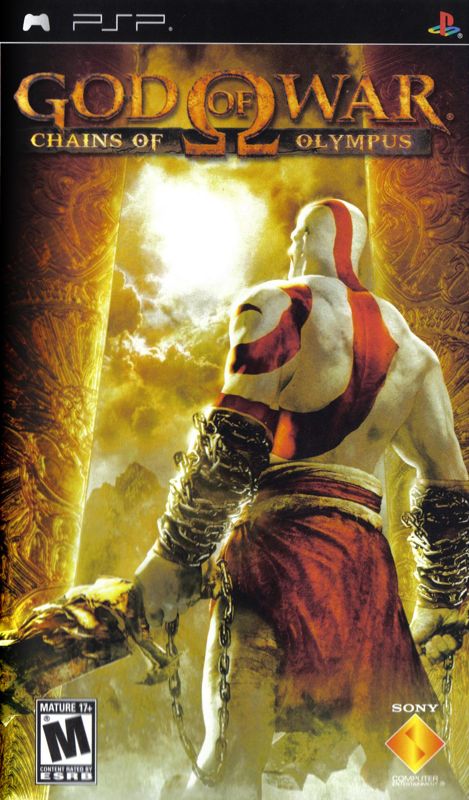
God of War: Chains of Olympus retains the series’ signature hack-and-slash foundation, delivering visceral combat that feels right at home on a handheld. Kratos wades into battle against hordes of mythical creatures, wielding his iconic Blades of Chaos alongside several new weapons and spells. Each encounter can be approached with a mix of light and heavy attacks, weapon combos, and magic bursts, creating a satisfying loop of offense and defense.
(HEY YOU!! We hope you enjoy! We try not to run ads. So basically, this is a very expensive hobby running this site. Please consider joining us for updates, forums, and more. Network w/ us to make some cash or friends while retro gaming, and you can win some free retro games for posting. Okay, carry on 👍)
To suit the PSP’s limited button layout, the developers reworked core controls—dodging now involves holding one of the shoulder buttons while flicking the analog nub in the desired direction. It takes a short adjustment period, but once mastered, this scheme makes Kratos’ evasive maneuvers feel surprisingly fluid. You’ll alternate between slashing foes, triggering quick-time events during cinematic finishers, and solving box-based environmental puzzles that break up the combat with creative platforming challenges.
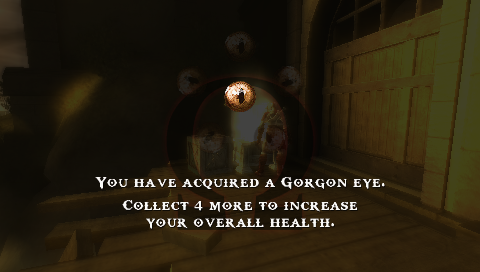
Progression hinges on resource collection: red orbs power up your weapons and unlock new abilities, Gorgon eyeballs increase your maximum health, and Phoenix feathers boost your magic meter. These collectible upgrades encourage exploration within each arena and hidden alcove, rewarding players who delve beneath the main path. Coupled with boss battles that demand pattern recognition and precise timing, Chains of Olympus strikes an excellent balance between straightforward brutality and thoughtful level design.
Graphics
On the PSP’s small screen, Chains of Olympus stands out with richly detailed character models and impressive lighting effects that rival early 7th-generation consoles. Textures on Kratos’ armor, the stone pillars of Greek temples, and the scaly hides of mythical beasts look sharp without noticeable pixelation. Dynamic shadows and glow-based magic effects help sell the sense of epic scale despite hardware constraints.
Animations are exceptionally smooth for a portable title. Heavy strikes send enemies flying with satisfying weight, while fluid transitions between combos and quick-time sequences maintain the series’ cinematic flair. During boss encounters, large-scale creatures move with believable gait and agility, underscoring their threat level and making each clash feel like a heavyweight brawl rather than a static, scripted set piece.
The world design leans heavily into classical Greek aesthetics, from sun-bleached courtyards and lush gardens to the dark nightmares under Morpheus’ influence. Occasional frame-rate dips can occur when too many enemies occupy the screen, but loading is minimal and doesn’t interrupt the experience. Overall, Chains of Olympus pushes the PSP’s graphical capabilities to their limit without compromising playability.
Story
Chains of Olympus unfolds as a prequel set ten years before the original God of War, granting new context to Kratos’ servitude under the Olympian gods. Tasked by Athena and Apollo to defend the city of Attica from a ruthless Persian invasion, Kratos plunges into mortal conflict before unsettling dreams summon him into the realm of sleep itself. This framing effectively bridges the gap between his tragic past and the vengeful warrior we first meet on PlayStation 2.
The introduction of Morpheus as the antagonist injects a fresh layer of psychological menace into the narrative. As the Greek pantheon’s power wanes under his dream-wrought sabotage, Kratos must traverse shifting landscapes that blend reality with nightmares. Through a series of memorable set pieces—rescuing a besieged city, battling divine guardians, and storming Morpheus’ dream fortress—the story maintains a steady pace and never feels like filler.
Characterization remains lean but effective. Kratos speaks only through grunts and angry roars, yet his brutal conviction resonates in every slash and magic blast. Cameos from gods such as Persephone and Hades deepen the lore while hinting at the tragedies that follow. Although the plot doesn’t reinvent the wheel, it complements the series’ overarching themes of servitude, vengeance, and redemption in a portable package.
Overall Experience
Chains of Olympus proves that handheld gaming need not sacrifice depth or spectacle. The campaign averages six to eight hours—just enough to tell a compelling tale without overstaying its welcome—and each chapter presents unique environments and challenges. Whether you’re a series veteran or a newcomer curious about Kratos’ early exploits, this title delivers a complete, console-worthy adventure in your pocket.
Of course, portable limitations linger: the smaller screen can obscure some puzzle details, and the dual-input dodge mechanic may feel awkward until you’ve warmed up. Camera angles occasionally feel tighter than on home consoles, making platforming sections a bit finicky. Yet these hiccups are minor next to the game’s strengths in pacing, production values, and pure adrenaline.
In the end, God of War: Chains of Olympus stands as one of the PSP’s high-water marks. It captures the brutal elegance of its console siblings while adapting mechanics to suit a handheld form factor. For anyone seeking a mythic action-adventure on the go, Kratos’ portable journey is a treat not to be missed.



Reviews
There are no reviews yet.