 Retro Replay Retro Replay gaming reviews, news, emulation, geek stuff and more!
Retro Replay Review
Gameplay
Wild Woody’s core gameplay centers on classic side-scrolling platform action, with an inventive twist: you control a living pencil. Woody’s primary attacks involve jumping on enemies’ heads and using his built-in eraser tip to wipe out foes in a satisfying puff of dust. This dual-attack system encourages a mix of timing and positioning, giving the player freedom to approach obstacles either head-on or with a well-timed eraser swipe.
(HEY YOU!! We hope you enjoy! We try not to run ads. So basically, this is a very expensive hobby running this site. Please consider joining us for updates, forums, and more. Network w/ us to make some cash or friends while retro gaming, and you can win some free retro games for posting. Okay, carry on 👍)
Alongside direct combat, Woody can erase certain walls and platforms to reveal secret paths or shortcuts. This mechanic adds a light puzzle-solving element to each level, as you decide whether to erase a block to proceed or hold off to uncover hidden item caches. Teleportation boxes respawn or warp you to distant corners of a stage, providing occasional surprises for exploration-minded players.
A unique sketch feature allows Woody to draw simple objects—like temporary platforms or helpful creatures—that come to life for a brief time. Since each sketch rapidly drains Woody’s size and is limited to two uses per stage, it adds a risk–reward layer: should you save sketches for emergencies or deploy them early to secure extra power-ups?
Power-up icons scattered throughout the worlds can temporarily restore Woody’s size or grant him enhanced eraser abilities. Collecting these becomes vital when you face tougher dimension bosses or navigate intricate platforming gauntlets. While some players may find the learning curve slightly steep, the blend of platforming precision and eraser-based interactions remains engaging from beginning to end.
Graphics
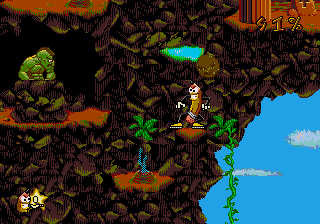
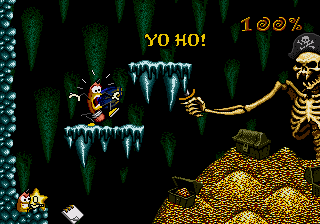
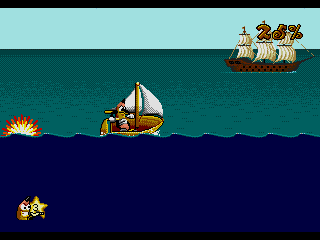
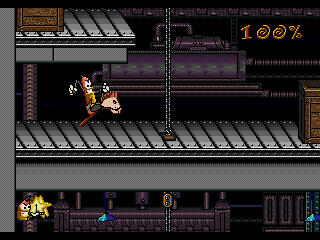
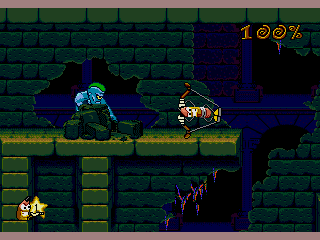
Visually, Wild Woody embraces a vibrant, cartoon-inspired aesthetic that stands out even on older hardware. Each parallel universe—or “dimension”—boasts its own color palette and thematic elements, ranging from lush, tropical jungles to high-tech, neon-infused cityscapes. This variety keeps the environments fresh as you chase down the scattered Totem spirits.
Sprite work for Woody and his enemies is playful and expressive. Woody’s pencil tip bounces with an almost rubbery fluidity, while enemy designs lean into whimsical caricature, making each encounter feel lighthearted despite occasional challenge spikes. Backgrounds are layered to create a sense of depth, and subtle animations—like drifting clouds or flickering lights—add atmosphere.
Special effects during eraser attacks and sketch sequences are especially memorable. Watching an enemy vanish into an eraser swirl or seeing a quick doodle blossom into a temporary platform highlights the game’s trademark gimmicks. While modern gamers may notice the pixelated edges, the overall presentation retains undeniable charm.
Performance is generally smooth, with only minor frame-rate dips during the busiest onscreen moments. Loading times between stages are brief, maintaining the game’s brisk pace. Overall, Wild Woody’s graphics succeed in delivering a stylish, upbeat world that complements its inventive mechanics.
Story
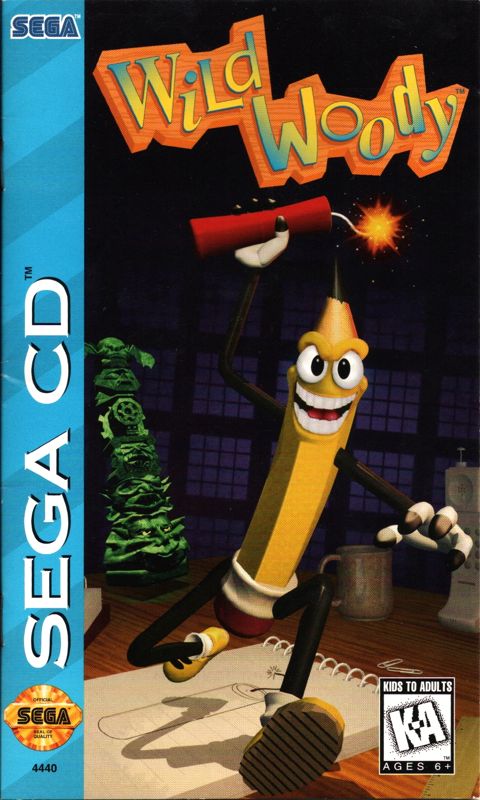
Wild Woody’s narrative kicks off when an adventurer named Dusty returns with an enchanted Totem Pole, inadvertently unleashing its wandering spirits. These mischievous Totem brothers warp reality, creating a bizarre parallel universe capable of devouring the normal world. To set things right, the Totem’s “head,” Lowman, reaches out for some extra muscle.
In a moment of desperation, Lowman animates a simple pencil on a desk, who insists on being called “Woody” with dramatic flair. Thus begins Woody’s quest: jump, erase, and sketch his way through dimension by dimension, rounding up each escaped Totem spirit before the weird universe swallows everything he once knew.
The story unfolds between levels in brief cutscenes featuring Lowman’s quirky dialogue and Woody’s silent but expressive pencil movements. Though not the deepest narrative in gaming history, these interludes inject humor and motivation, giving purpose to each stage beyond pure platforming. You can’t help but root for this plucky pencil as he bounces into dangerous realms far beyond any desk.
By the final confrontation, you’ll have witnessed all manner of oddities—from dancing totem poles to erasable labyrinths. The climax ties up the loose ends neatly, offering a satisfying conclusion that honors the game’s whimsical tone without overstaying its welcome.
Overall Experience
Wild Woody offers a refreshing take on classic 2D platformers, blending familiar jump-and-stomp mechanics with erasing and sketching gimmicks that feel genuinely novel. While some stages can be unforgiving, especially when sketch resources run low, clever level design and plentiful power-ups keep frustration to a minimum for most players.
The upbeat soundtrack and colorful visuals reinforce the game’s playful spirit, making exploration feel rewarding rather than repetitive. Fans of retro platformers will appreciate the tight controls and creative hazards, whereas newcomers might find the learning curve a bit of a challenge—but ultimately, an enjoyable one.
Despite its age, Wild Woody maintains a certain charm that modern reboots often miss. It’s a concise adventure that doesn’t overstay its welcome, clocking in at a reasonable length for most playthroughs while still offering replay value through hidden areas and collectible power-ups.
For those seeking a unique platforming experience with a healthy dose of whimsy, Wild Woody remains a memorable title worth revisiting or discovering for the first time. Its inventive mechanics and lighthearted story ensure that this enchanted pencil’s odyssey feels anything but ordinary.


Reviews
There are no reviews yet.