 Retro Replay Retro Replay gaming reviews, news, emulation, geek stuff and more!



Retro Replay Review
Gameplay
Ray Gun offers a faithful homage to classic Japanese RPG mechanics, centering its core loop on exploration and strategic turn-based combat. You guide Georgie through the serene town of Lakeside and into the foreboding forest, uncovering hidden paths and surprise encounters as you search for his kidnapped fiancée, Miria. The top-down navigation feels intuitive, allowing players to easily track objectives on the overworld map while also discovering secret areas loaded with side quests and valuable resources.
(HEY YOU!! We hope you enjoy! We try not to run ads. So basically, this is a very expensive hobby running this site. Please consider joining us for updates, forums, and more. Network w/ us to make some cash or friends while retro gaming, and you can win some free retro games for posting. Okay, carry on 👍)
Combat in Ray Gun unfolds in a first-person perspective, presenting each battle as a tense standoff between your steroid and a menacing enemy unit. Random encounters keep you on your toes, and the pacing is well-balanced—there are enough skirmishes to amp up the challenge without bogging down exploration. During fights, you can execute standard attacks or choose from a growing arsenal of special techniques, which consume a shared energy meter. This system encourages thoughtful resource management and ensures each engagement remains dynamic.
One of the standout features is the depth of your steroid’s customization. Between missions, you can upgrade armor plating, tweak weapon configurations, and install auxiliary modules that grant new abilities. This layer of RPG progression adds real weight to each decision: should you bolster your steroid’s defenses to survive prolonged boss encounters, or invest in speed and firepower for quick burst damage? Either path feels viable, fostering a genuine sense of ownership over your mechanical avatar.
Exploration also plays a significant role, with environmental puzzles and hidden collectibles peppered throughout the game world. Some areas require specific steroid upgrades to access, rewarding diligent players who thoroughly investigate every corner of Lakeside and beyond. The game’s pacing strikes a pleasant balance between story-driven plot points and optional content, ensuring you never feel railroaded while still maintaining narrative momentum.
Graphics
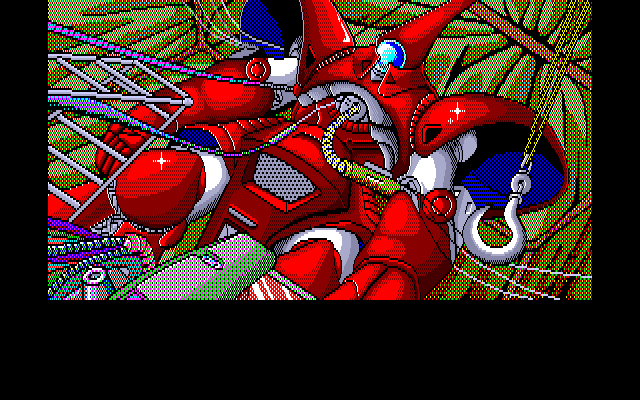
Ray Gun’s visual presentation blends nostalgic pixel art with modern lighting effects, creating an aesthetic that feels both classic and fresh. The overworld sprites are richly detailed, from the quaint rooftops of Lakeside to the gnarled trees of the forest where the mysterious steroids lie in wait. Color palettes shift subtly between areas, conveying mood changes—from the sunny outskirts of town to the dim, ominous trenches where enemy units lurk.
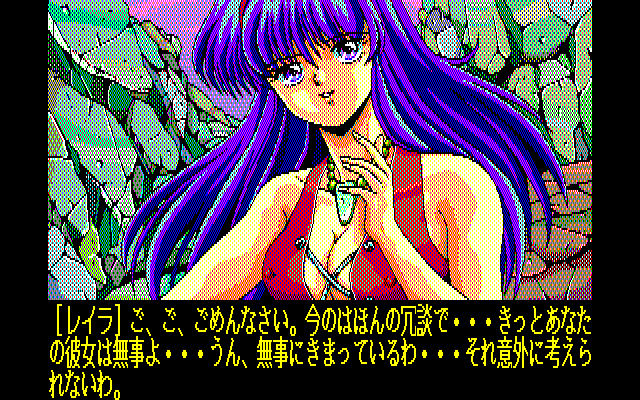
Character portraits during dialogue sequences are expressive and well-animated, capturing fleeting emotions on Georgie’s face as he reacts to each twist in the storyline. The transition from top-down navigation to first-person combat is seamless, thanks to slick camera fades and minimal loading times. Once in battle, enemy steroids manifest with crisp, sharp lines and glowing effects, making each special technique feel visually impactful.
The cut scenes incorporate higher-resolution artwork, occasionally featuring mature content and nudity that underscores the game’s more adult themes. While these segments may surprise players expecting a purely family-friendly JRPG, they’re tastefully executed and integrated directly into the narrative rather than deployed as cheap fanservice. The contrast between the polished cut scenes and the pixel-based gameplay further accentuates the emotional highs and lows of the story.
On lower-end hardware, you might notice slight frame dips during intensive battles or densely populated environments, but nothing that significantly hampers immersion. Overall, Ray Gun strikes an impressive balance between retro charm and contemporary flair, ensuring that both veteran JRPG fans and newcomers will find plenty to admire in its visual design.
Story
The narrative thrust of Ray Gun revolves around Georgie’s desperate quest to rescue his fiancée, Miria, after she’s kidnapped by a gang of enigmatic flying steroids. This personal stake provides a strong emotional anchor, driving the story forward and giving weight to every milestone you reach. As Georgie ventures deeper into hostile territory, you’ll uncover layers of conspiracy that hint at a larger, systemic threat behind the steroid phenomenon.
Secondary characters enrich the tale, from Lakeside’s eccentric mechanic who helps you modify your steroid, to the enigmatic researcher whose motives remain unclear until late in the game. These interactions are peppered with heartfelt moments and occasional humor, creating an engaging tapestry of personalities. Voice lines (if enabled) and text-based dialogue seamlessly blend to convey urgency without resorting to melodrama.
The pacing is deliberate, alternating between quiet moments of reflection—such as Georgie’s conversations with Miria’s holographic messages—and adrenaline-fuelled missions to infiltrate enemy strongholds. This ebb and flow keep the tension palpable without overextending any single narrative beat. Some plot twists are telegraphed well in advance, but others hit with genuine surprise, particularly during the final act when the true nature of the steroids is revealed.
While the inclusion of nudity in certain cut scenes may not be to everyone’s taste, it does serve a narrative purpose by highlighting the vulnerabilities of key characters. The story tackles themes of love, sacrifice, and the ethical boundaries of technological advancement, offering moments of genuine introspection amid the high-octane action. For players seeking a JRPG with emotional depth and a compelling central hook, Ray Gun delivers on multiple fronts.
Overall Experience
Ray Gun stands out as a commendable effort to recapture the soul of classic Japanese role-playing games while injecting modern refinements. Its blend of exploration, strategic turn-based combat, and robust customization systems creates a satisfying gameplay loop that holds up over dozens of hours. Even after the credits roll, there are post-game challenges and hidden missions that encourage continued play.
The audiovisual presentation strikes a harmonious balance, melding pixel art charm with slick lighting and effects. While purists may debate the inclusion of high-definition cut scenes, the overall package feels cohesive and thoughtfully executed. The game’s mature content is handled with narrative justification rather than gratuitousness, allowing the story’s more serious themes to resonate authentically.
Though minor performance hiccups can occur on less powerful machines, they do little to overshadow the game’s solid foundation. Whether you’re drawn to the heartfelt story of Georgie and Miria, the deep customization options for your steroid, or the satisfying rhythm of its strategic battles, Ray Gun offers a thoroughly engaging experience from start to finish.
In an era where many JRPGs aim for spectacle over substance, Ray Gun reminds players of the enduring appeal of well-crafted stories and finely tuned mechanics. For fans of traditional turn-based adventures—and for anyone eager to pilot a giant combat robot to save the day—this release is a compelling journey well worth taking.


Reviews
There are no reviews yet.