 Retro Replay Retro Replay gaming reviews, news, emulation, geek stuff and more!
Retro Replay Review
Gameplay
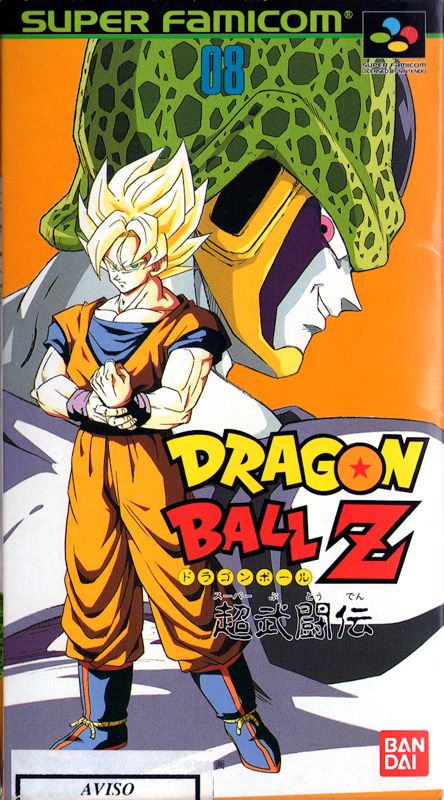
Dragon Ball Z: Super Butōden introduced many Western audiences to one of the franchise’s first forays into the fighting game genre, and it still holds up as a foundational experience. Combat is fast-paced and emphasizes strategic energy management—players must balance melee combos with ki blasts and the occasional special move to overwhelm their opponent. Each character has a distinct move set drawn directly from the anime, from Goku’s Kamehameha to Vegeta’s Galick Gun, giving each match a satisfying sense of authenticity.
(HEY YOU!! We hope you enjoy! We try not to run ads. So basically, this is a very expensive hobby running this site. Please consider joining us for updates, forums, and more. Network w/ us to make some cash or friends while retro gaming, and you can win some free retro games for posting. Okay, carry on 👍)
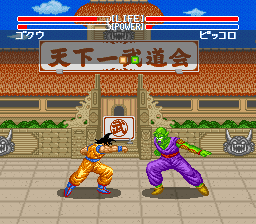
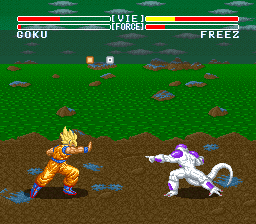
One of the title’s most innovative features is its split-screen mode: when fighters move too far apart, the screen divides into two independent playfields. This mechanic not only allows for full use of the Super Famicom’s horizontal space, but it also adds a tactical layer—players can kite opponents, charge energy offscreen, or set up long-range zoning duels without losing visual contact. The camera reunites seamlessly when combatants close the distance, ensuring the flow of battle remains uninterrupted.
Super Butōden offers multiple modes to keep fights fresh. Story Mode follows a series of predetermined matchups culminating in the Cell Games, with branching paths depending on the character you choose. Tournament Mode challenges you to defeat eight opponents in single-elimination style, while Versus Mode lets two players or a player and CPU duke it out in quick matches. Secret codes unlock fan favorites like Super Saiyan Goku and Perfect Cell, further expanding the roster and rewarding dedicated players.
Graphics
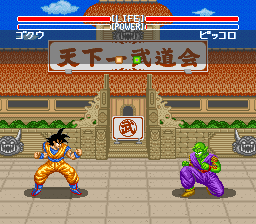
On the Super Famicom hardware, Super Butōden delivers bright, vibrant sprites that capture the look and feel of Akira Toriyama’s original artwork. Fighter portraits and in-match animations are detailed and fluid, bringing each punch, kick, and energy wave to life. The bold color palette makes each character instantly recognizable, whether you’re controlling Piccolo’s green frame or the golden aura of an SSJ-locked Trunks.
Backgrounds are rendered with layered parallax scrolling, giving each stage a sense of depth. From the grimy Tournament Arena to the rugged landscape of the Cell Games grounds, the parallax effect adds dynamism to battles. Environmental details—like crumbling rocks and occasional background NPCs—help immerse players in the world, without ever detracting from the clarity of onscreen action.
Special effects, such as the glow of charged ki blasts and shockwaves from explosive attacks, are handled with finesse. Flashy visual cues punctuate successful combos and super moves, making every climactic moment feel weighty. Although the game predates console advancements like Mode 7, its clever use of the Super Famicom’s graphical capabilities sets a high bar for mid-’90s licensed fighters.
Story
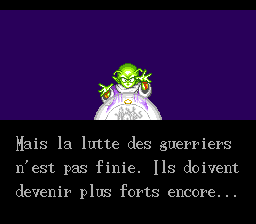
Super Butōden’s Story Mode takes players on a chronological journey from Goku’s battle against Piccolo at the World Martial Arts Tournament through the epic confrontation of the Cell Games. Each fight faithfully mirrors major anime set pieces, ensuring fans recognize iconic moments like Goku’s first fight with Perfect Cell or Gohan’s climactic Kamehameha showdown. Dialogue boxes pepper each stage transition, offering short but punchy interactions that capture character personalities.
Although the narrative is boiled down to the essentials—no lengthy cutscenes or voice-overs—the selection of opponents and unlockable characters gives each playthrough a sense of discovery. Encountering Vegeta or C-18 as rivals at just the right moment adds variety, while secret character codes allow you to rewrite history by slamming Perfect Cell into early matchups. This blend of canon and “what-if” scenarios offers replay value and keeps you invested in completing every possible arc.
The pacing of the Story Mode strikes a balance between challenge and accessibility. Early rounds serve as tutorials for basic inputs and energy management, while later battles test your mastery of split-screen tactics and super move execution. Even without extensive narrative text or voice samples, the game successfully communicates each character’s motivations through in-match banter and memorable victory poses.
Overall Experience
Dragon Ball Z: Super Butōden remains a landmark title for fans of both fighting games and the Dragon Ball universe. Its early introduction of split-screen play set a trend for future 2D fighters, while the combo of responsive controls and faithful character portrayals keeps the action engaging decades later. Whether you’re a retro collector or a newcomer curious about the franchise’s gaming roots, this Super Famicom classic offers an enjoyable—and historically significant—combat experience.
Multiplayer matches are where Super Butōden truly shines: gathering friends for a local Versus Mode tournament brings out the game’s competitive spirit. The simple interface and intuitive controls make learning new characters straightforward, but mastering each fighter’s nuances is a rewarding long-term pursuit. Unlockable roster additions and the branching structure of Story Mode ensure that you’ll return again and again.
While modern fighters boast 3D graphics and online matchmaking, Super Butōden’s old-school charm lies in its raw, skill-based face-offs and nostalgic presentation. For collectors of fighting games or devotees of Dragon Ball Z lore, this title is an essential piece of gaming history that still offers plenty of punch today. Step into the ring, charge your ki, and prepare to relive the battles that defined a generation.


Reviews
There are no reviews yet.