 Retro Replay Retro Replay gaming reviews, news, emulation, geek stuff and more!



Retro Replay Review
Gameplay
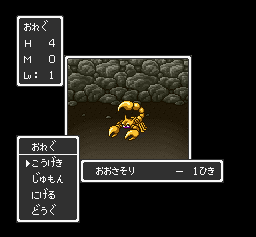
The remake of Dragon Quest I & II revitalizes two of the genre’s foundational JRPGs with subtle yet meaningful gameplay enhancements. While the core turn-based combat remains faithful to the originals, the pacing has been smoothed out: battles no longer feel like a grind to reach the next level, thanks to streamlined experience curves and more balanced enemy encounters. Veterans will appreciate that traditional commands like “Fight” and “Magic” retain their nostalgic simplicity, while newcomers will find them intuitive enough to dive in without frustration.
(HEY YOU!! We hope you enjoy! We try not to run ads. So basically, this is a very expensive hobby running this site. Please consider joining us for updates, forums, and more. Network w/ us to make some cash or friends while retro gaming, and you can win some free retro games for posting. Okay, carry on 👍)
One of the most welcome changes is the expanded world map. Towns and dungeons have been slightly enlarged, promoting more exploration and side quests. Hidden treasures peek around every corner, encouraging players to revisit familiar areas in hopes of uncovering new items or NPC interactions. Though commands such as “Stairs” have been removed for a cleaner menu structure, essential options like “Search” and “Tactics” have been reorganized for quicker access, making navigation both efficient and enjoyable.
This remake also broadens the item roster, granting heroes more strategic choices in battle. New accessories and spells blend seamlessly with the classic arsenal, offering fresh approaches to tough encounters—especially in Dragon Quest II, where party composition and magic synergy are crucial. Additionally, the revamped save system reduces backtracking frustration, placing checkpoints more generously throughout sprawling caves and castles.
Graphics
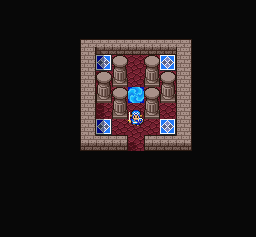
Visually, Dragon Quest I & II strikes a careful balance between nostalgia and refinement. The updated pixel art maintains the charm of the original 8-bit sprites, yet offers greater color depth and smoother animations. Character portraits in dialogue sequences feel more expressive, injecting personality into each hero, villain, and townsfolk. The world’s retro aesthetic remains intact, preserving the iconic look that fans have cherished for decades.
Environmental details receive a notable upgrade: lush forests appear denser, castle walls show subtle stone variations, and dungeon corridors cast dynamic shadows. These enhancements don’t overshadow the series’ minimalist roots; rather, they elevate atmosphere without overcomplicating the visual design. Boss creatures in both titles boast more elaborate frames, making each epic encounter feel suitably grand while still fitting within the classic Dragon Quest style.
Sound design also sees a quality boost. Classic melodies composed by Koichi Sugiyama have been reorchestrated with richer instrument samples, giving battle themes and town tunes a fuller resonance. FX sounds—like sword clashes and spell casts—are crisper, lending weight to every action. Despite these improvements, the audio remains true to the series’ heritage, providing both a warm sense of familiarity and a fresh upgrade for modern sound systems.
Story
Dragon Quest I & II’s narrative pillars remain untouched: the lone Hero’s quest to save Alefgard in the first game, followed by three champions uniting to overthrow an evil archmage in the second. This compilation ensures these seminal tales receive the respect they deserve, preserving all major plot beats and dialogue while refining translation for clearer storytelling. Fans of retro RPGs will appreciate the unaltered charm of town chatter and kingly edicts, each line contributing to the world’s mythos.
While story structure hasn’t been drastically altered, the remake subtly deepens certain character moments. Minor NPCs deliver more varied dialogue, and side quests feel more integrated into the main plot, creating a lightly expanded narrative tapestry. These additions do not stray from the series’ lighthearted tone but instead underscore why these adventures captivated players in the first place.
Despite their age, both games still convey a sense of epic heroism. Tension builds effectively during dungeon crawls, and triumphs over fearsome monsters carry genuine weight. The simplicity of the plots allows the core themes—courage, friendship, and destiny—to shine through, making Dragon Quest I & II as emotionally resonant today as they were at their initial release.
Overall Experience
This remake of Dragon Quest I & II delivers a masterclass in respectful modernization. By updating graphics, sound, and minor gameplay elements while leaving core mechanics and narratives intact, it stands as an exemplary homage to two franchise cornerstones. Both longtime fans and newcomers will find much to love: nostalgia buffs can revisit classic story beats in a polished form, while modern players can enjoy a more accessible and visually appealing JRPG experience.
Accessibility features, such as adjustable text speed and clearer status menus, ensure that the games remain approachable even for those unfamiliar with retro titles. The balance between challenge and fairness strikes just the right chord, offering satisfying progression without resorting to tedious level grinding. Coupled with the compelling soundtrack and immersive world design, the compilation feels fresh without losing its soul.
Ultimately, Dragon Quest I & II’s remake is more than a simple port—it’s a thoughtful reimagining that enhances foundational RPG experiences for a contemporary audience. Whether you’re charting uncharted dungeons in Alefgard or assembling a party to vanquish dark forces, this remastered duo promises hours of engaging, heartfelt adventure that honor the legacy of a genre-defining saga.


Reviews
There are no reviews yet.