 Retro Replay Retro Replay gaming reviews, news, emulation, geek stuff and more!
Retro Replay Review
Gameplay
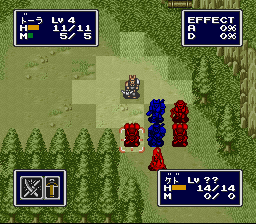
FEDA: The Emblem of Justice leans heavily into classic strategy RPG mechanics, offering a familiar grid‐based battlefield where each unit’s movement range and attack zones demand careful consideration. You’ll issue orders from a concise bottom‐of‐screen menu that covers everything from standard attacks and defensive stances to inventory use and magical abilities. It’s straightforward to learn yet rewards tactical depth, as positioning your sword‐wielders at choke points or placing crossbowmen on high ground can turn the tide of battle.
(HEY YOU!! We hope you enjoy! We try not to run ads. So basically, this is a very expensive hobby running this site. Please consider joining us for updates, forums, and more. Network w/ us to make some cash or friends while retro gaming, and you can win some free retro games for posting. Okay, carry on 👍)
The turn‐based system alternates between player‐controlled forces and CPU armies, creating a rhythm that lets you plan multi‐turn strategies. Magic users boast variable ranges—some spells arc across several tiles, while healers can restore multiple allies in one go. This encourages balanced party composition: you’ll quickly discover that a well‐timed healing wave or a crossbow volley from the back ranks can be as decisive as charging in with heavy hitters.
Outside skirmishes, the overworld map lets your party travel in turns, choosing where to camp, rest, or dive into towns and temples. Campsites double as save points and system menus, where you can tweak interface colors, adjust sound levels, or even rename your squad. These small conveniences keep the game flowing and prevent tedious backtracking, ensuring your focus stays on the next tactical challenge.
Graphics
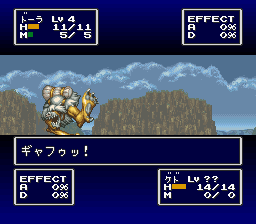
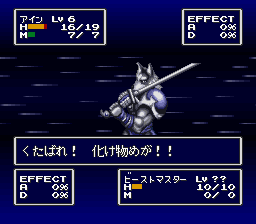
While FEDA’s visuals aren’t pushing hardware limits, the sprite‐based art style carries a nostalgic charm reminiscent of early ’90s strategy RPGs. Character portraits and battlefield sprites are well‐defined, with distinct silhouettes that let you identify swordsmen, magic users, and crossbow troops at a glance. Animations are concise and purposeful—each sword swing and fireball cast feels weighty without overstaying its welcome.
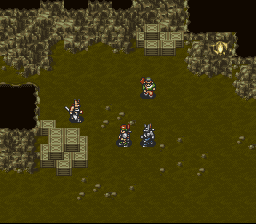
The environmental tiles—ranging from dense forests and rolling plains to castle courtyards—are rendered in a warm, earthy palette. Though simple, the maps are thoughtfully designed to promote varied tactical scenarios: narrow bridges force skirmishes, forests offer ambush opportunities, and open fields reward long‐range archery. These level layouts help keep combat encounters fresh and visually interesting.
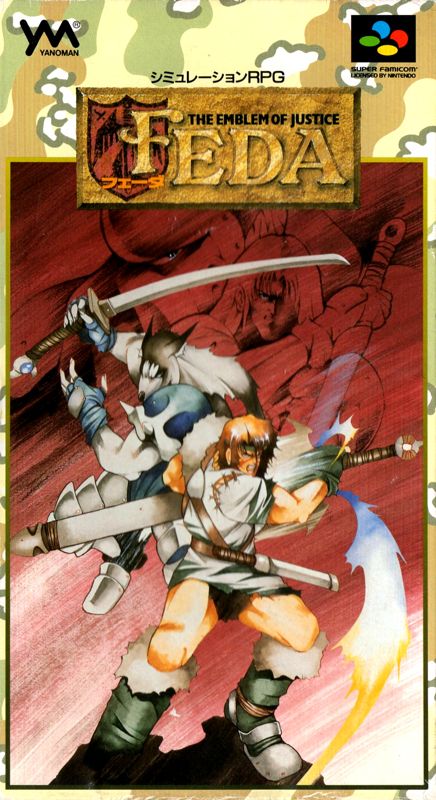
Character portraits in dialogue sequences bring subtle personality to each recruit. Expressions change when you make moral decisions or receive surprising plot twists, reinforcing the story’s emotional stakes. While the lack of animated cutscenes might disappoint players used to more cinematic narratives, the art direction and layout deliver a cohesive visual identity that suits the game’s strategic core.
Story
FEDA thrusts you into a turbulent fantasy realm where loyalty and conscience collide. You begin as an imperial soldier who deserts after witnessing your unit massacre innocent villagers—a harrowing opening that sets a somber tone. Imprisoned and facing execution, you break free with two loyal comrades, igniting a fugitive journey across the countryside. This initial act of rebellion immediately invests you in the fight against a corrupt empire.
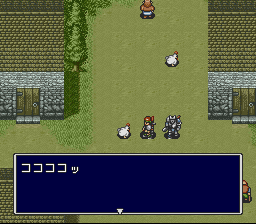
As you traverse villages, temples, and rebel encampments, you’ll recruit a diverse roster of preset characters each with personal motivations and unique abilities. Conversations and exploration in towns add texture to the world, revealing the extent of the Empire’s malevolence and the hope kindled by the resistance. Later chapters introduce morally fraught choices—most notably whether to slay mutated humans created by imperial experiments—which directly influence the group’s alignment and membership.
The emblem system, assigning a dark or light crest after each battle, is a clever narrative mechanic. It forces you to weigh tactical gains against ethical implications, as certain party members will depart or join you based on your emblem’s aura. These branching loyalties encourage multiple playthroughs to see every character’s arc and fully uncover the Empire’s hidden plots. Though the overall structure remains linear, these alignment shifts give the story an engaging sense of player agency.
Overall Experience
FEDA: The Emblem of Justice delivers a compact but satisfying strategy RPG adventure. The blend of straightforward turn‐based combat, character leveling, and moral alignment systems creates an experience that’s easy to pick up yet hard to put down. Each battle feels meaningful, and the reward loop of gaining experience, improving stats, and witnessing characters grow lends a steady momentum to the campaign.
The game’s modest presentation and lack of high‐end cinematics might not appeal to players expecting modern bells and whistles, but its tried‐and‐true design shines through. The robust menu options at campsites, the clarity of battle interfaces, and the thoughtful tile layouts all contribute to a seamless playthrough. Tactical variety remains high thanks to diverse unit types and the shifting party roster driven by your moral choices.
Ultimately, FEDA stands as a hidden gem for fans of classic strategy RPGs. Its engaging story of desertion, rebellion, and the personal cost of war, combined with strategic depth and emblem‐based branching, ensures you’ll remain invested from the first jailbreak to the final confrontation with the Empire. If you’re seeking a linear but emotionally charged tactical journey that values decision‐making and resource management, FEDA: The Emblem of Justice is well worth enlisting.



Reviews
There are no reviews yet.