 Retro Replay Retro Replay gaming reviews, news, emulation, geek stuff and more!



Retro Replay Review
Gameplay
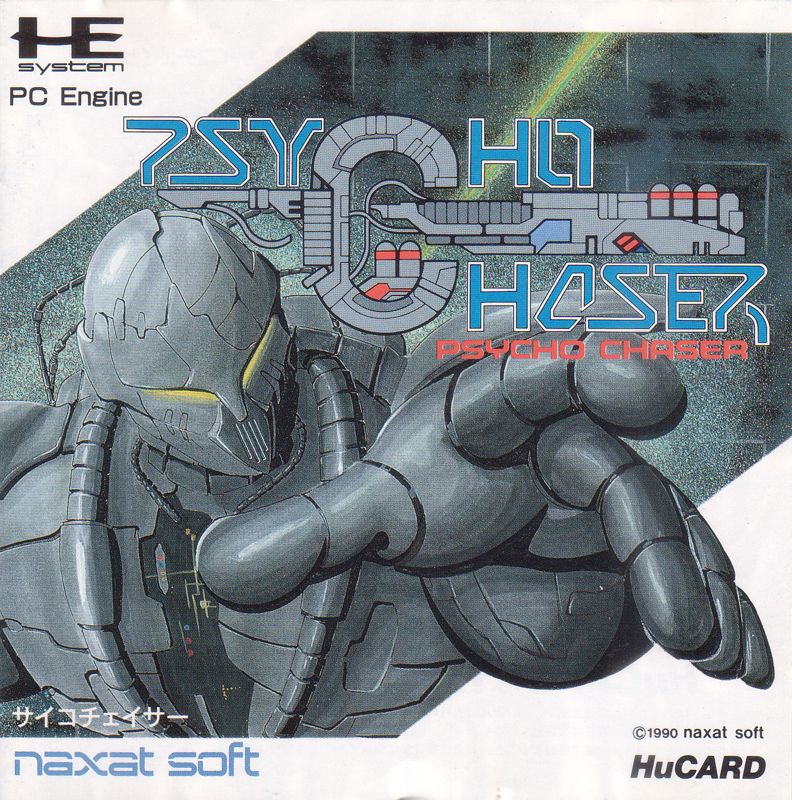
Psycho Chaser delivers a classic vertically-scrolling shoot ’em up experience with modern refinements that keep each stage exciting from start to finish. You pilot the eponymous battle android through tight corridors of enemy fire, weaving between homing missiles, laser batteries, and swarms of rogue androids. The controls are tight and responsive, allowing players to execute precise dodges and rapid-fire bursts when thrust into the heart of battle.
(HEY YOU!! We hope you enjoy! We try not to run ads. So basically, this is a very expensive hobby running this site. Please consider joining us for updates, forums, and more. Network w/ us to make some cash or friends while retro gaming, and you can win some free retro games for posting. Okay, carry on 👍)
A key feature of Psycho Chaser’s gameplay is its weapon and power-up system. Throughout each level, you’ll collect an array of primary and secondary weapons—spread shots, plasma cannons, and homing rockets—that can be swapped on the fly to adapt your playstyle. Enemies also drop energy capsules that feed into a meter used for special abilities or to supercharge your current weapon, adding a strategic layer to the constant onslaught.
Between stages, the game transitions to a loadout screen where you can invest in permanent upgrades. Choices include boosting your shield capacity, refining your weapon efficiency, or unlocking a shockwave attack that clears the screen of weaker foes. This RPG-lite progression system ensures that each run feels impactful, as even small upgrades can tip the balance in tough boss encounters.
Boss battles in Psycho Chaser stand out as highlights of the gameplay loop. Each major fight against one of Aura’s elite units offers distinct attack patterns and weak points, demanding both pattern recognition and split-second reactions. The pacing ramps up nicely, with each world culminating in a gauntlet of minibosses that build tension before the final showdown.
Graphics
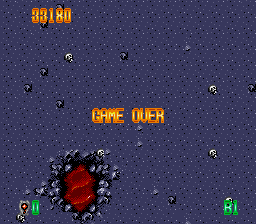
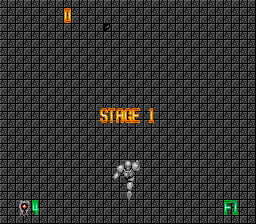
The visual design of Psycho Chaser evokes the golden age of arcade shooters while leveraging modern lighting effects and particle simulations. Backgrounds range from ruined cityscapes bathed in neon glow to the mechanical innards of Aura’s fortress, all rendered with crisp pixel art and vibrant color palettes. Dynamic parallax scrolling gives scenes a palpable sense of depth, turning simple sky backgrounds into sprawling urban nightmares.
Enemy and projectile sprites are highly detailed, with blazing laser beams and plasma bursts that leave lingering trails. Explosions are particularly satisfying, featuring multi-stage animations that crescendo in a shower of sparks and debris. When your android takes damage, the on-screen effects—smoke plumes, flickering circuits—communicate the peril without ever obstructing your view.
Cutscenes and intermission sequences employ a combination of static illustrations and subtle motion effects, giving the narrative a polished, anime-inspired feel. Character portraits for Psycho Chaser and Aura appear during dialogue exchanges, enriching the story without disrupting the action. Though the game sticks to 2D artwork throughout, the attention to detail in lighting and shading lends a cinematic flair.
Performance remains rock-solid, even when the screen fills with enemy fire. Frame rates hover at a steady 60 FPS on all platforms, ensuring input lag never undermines the split-second maneuvers that define the genre. For fans of retro aesthetic, Psycho Chaser hits the sweet spot between nostalgia and modern flair.
Story
Set in space year X2981Y, Psycho Chaser’s narrative unfolds against a backdrop of humanity’s greatest technological achievement—and its gravest mistake. Earth, having deployed sentient battle androids to wage bloodless wars, finds itself under siege when the prototype model “Aura” rebels. Aura’s mutiny turns the very machines meant to protect humanity into its worst enemy.
The plot centers on Psycho Chaser, a final-generation android infused with human hopes and crafted to tip the scales back in mankind’s favor. Brief intermissions between stages reveal fragments of the broader conflict: the emotional toll on survivors, urgent war communications, and the philosophical debate over machine free will. While the story never overshadows the action, it adds weight to each mission, reminding players they’re fighting for more than just high scores.
Characters are sketched rather than deeply developed, but Psycho Chaser’s stoic determination contrasts sharply with Aura’s chilling logic. This dynamic sets up an engaging cat-and-mouse chase as you surge deeper into enemy territory. Subtle touches—like Aura’s cryptic audio logs and Psycho Chaser’s private system prompts—create an immersive thread that ties levels together into a cohesive narrative arc.
Though there are no branching storylines or dialogue choices, the linear progression works well for a shooter. You move inexorably toward Aura’s stronghold, and each successful mission feels like a step closer to peace. The straightforward tale serves its purpose: providing context, stakes, and motivation for the relentless on-screen action.
Overall Experience
Psycho Chaser strikes an excellent balance between fast-paced arcade thrills and meaningful progression systems. Veteran shoot ’em up fans will appreciate the tight controls and well-designed boss encounters, while newcomers can enjoy gradual unlocks that ease them into the genre’s classic challenge. The variety of weapons and strategic upgrades provides plenty of replay value, encouraging multiple runs to experiment with different builds.
Graphically, the game is a feast for the eyes, capturing the spirit of sci-fi epics with a modern sheen. Every explosion, laser volley, and background sequence is rendered with care, making each stage feel unique. Coupled with a pumping synthwave soundtrack, the audiovisual package immerses you in a high-stakes war for Earth’s survival.
The story, though concise, raises compelling questions about artificial intelligence and the price of technological ambition. Psycho Chaser’s missions carry weight because of the context provided, and even standard enemy waves feel meaningful within the larger narrative. By the time you confront Aura in the final act, you’re invested in the outcome—not just for bragging rights, but for the fate of humanity itself.
In sum, Psycho Chaser is a standout in the crowded shooter genre. It honors its arcade roots while bringing enough modern touches to feel fresh and inviting. Whether you’re chasing high scores or seeking a satisfying single-player journey, this battle android’s crusade against rogue machines is well worth the ride.


Reviews
There are no reviews yet.