 Retro Replay Retro Replay gaming reviews, news, emulation, geek stuff and more!

Retro Replay Review
Gameplay
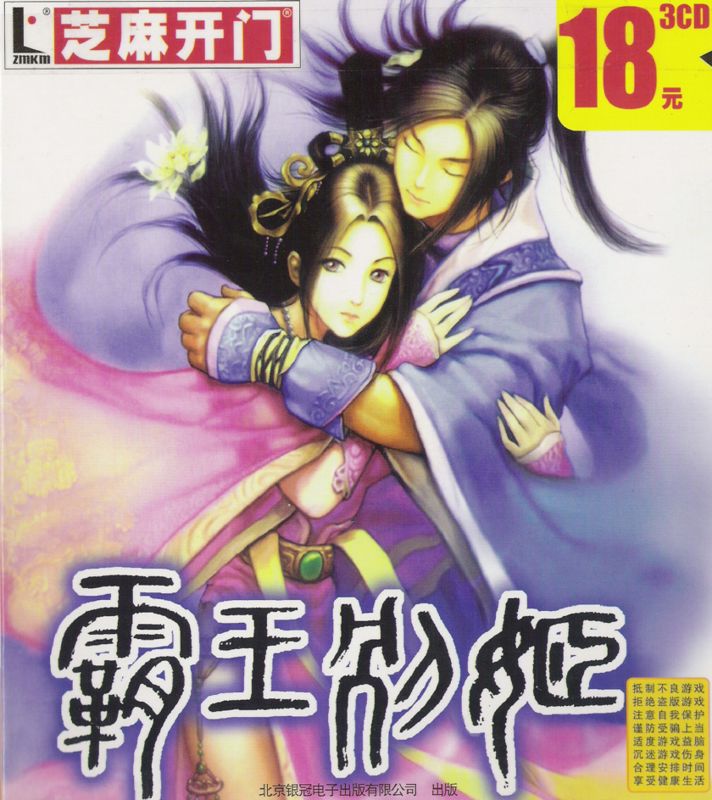
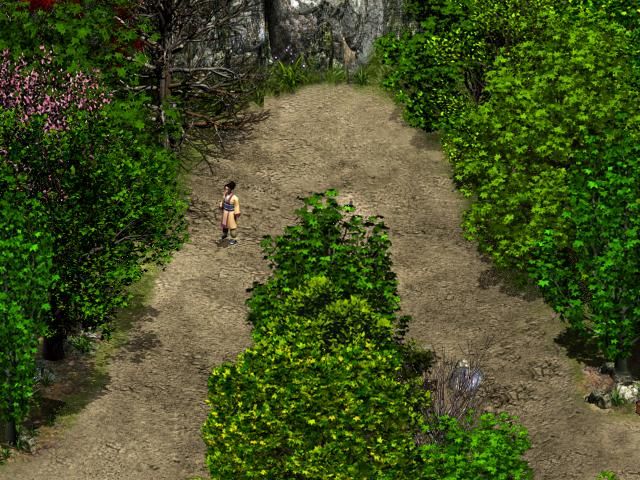
Bawang Bie Ji delivers a classic turn-based RPG experience that captures the strategic depth and pacing of early Chinese role-playing titles. Players assume the role of Xiang Yu, guiding him and his companions across a sprawling world map that faithfully recreates the war-torn landscape of 223 BC. Towns, villages, and treacherous mountain passes are all accessible via an overhead view, inviting exploration and discovery at every turn.
(HEY YOU!! We hope you enjoy! We try not to run ads. So basically, this is a very expensive hobby running this site. Please consider joining us for updates, forums, and more. Network w/ us to make some cash or friends while retro gaming, and you can win some free retro games for posting. Okay, carry on 👍)
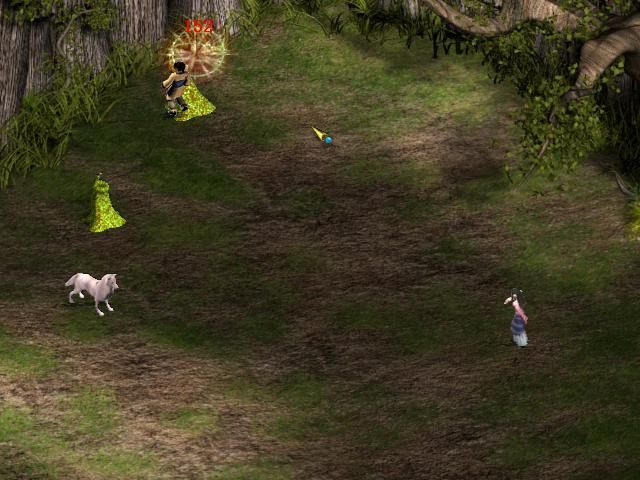
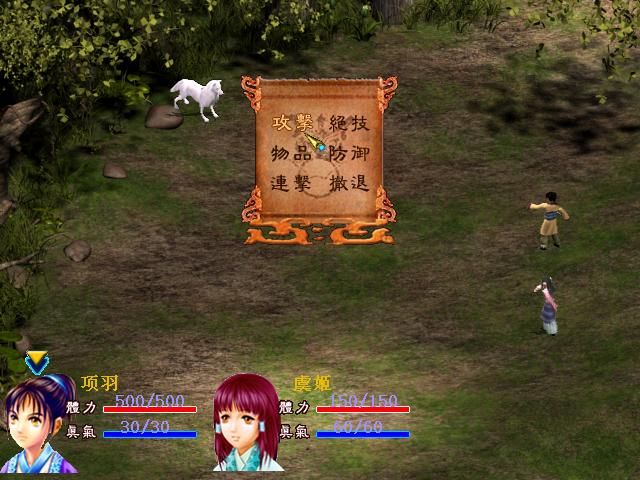
Combat encounters occur randomly as you traverse hostile regions, keeping you on your toes and rewarding careful planning. Battles unfold from an isometric perspective, where each character’s position and choice of skill can swing the tide. The skill trees are biennial, blending martial techniques with mystical arts reminiscent of classics like Xuanyuan Jian and Xianjian Qixia Zhuan, ensuring there’s always a fresh tactic to experiment with.
Party management shines in Bawang Bie Ji, as you assemble a diverse roster of allies each with unique abilities, elemental affinities, and narrative threads. Inventory and equipment systems are intuitive yet robust, letting you optimize weapon choices, armor sets, and consumable items. Difficulty ramps up organically: early skirmishes serve as tutorials, while late-game boss battles demand precise coordination, resource conservation, and strategic foresight.
Graphics
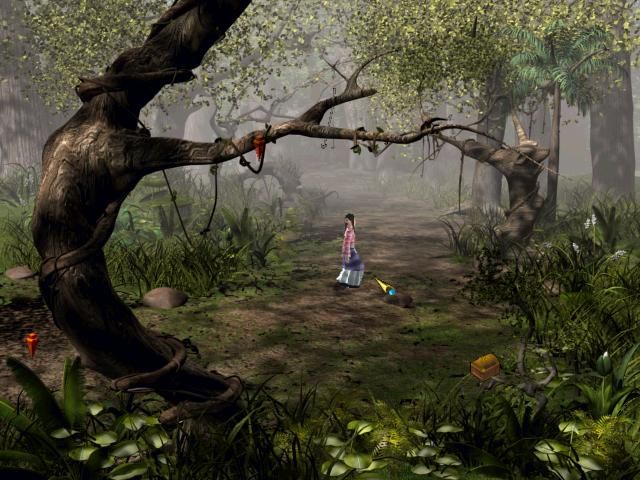
Graphically, Bawang Bie Ji marries nostalgia with modern polish. Environments are hand-painted to evoke traditional Chinese ink landscapes, complete with misty valleys and ancient battlegrounds. The color palette shifts to match the narrative—dusky reds and oranges dominate war scenes, while verdant greens signal moments of respite and hope.
Character sprites are detailed and expressive, their costumes adorned with era-appropriate embroidery and armor plating. During combat, fluid animations bring each skill to life: swords flash with kinetic energy, elemental spells swirl in ornate patterns, and characters recoil plausibly when struck. Particle effects, though modest by AAA standards, add dramatic flair without overwhelming the screen.
Performance remains stable on both mid-range PCs and modern consoles, with load times kept to a minimum. Day–night cycles and weather effects (such as drifting snow or rain-slicked terrain) further enhance immersion. While the game doesn’t push hardware boundaries, its art direction and optimization create a world that feels authentic, atmospheric, and visually cohesive.
Story
Bawang Bie Ji draws inspiration from the tumultuous period following the Battle of Jinyang in 223 BC, where the Chu kingdom fell and Qin emerged supreme under the ruthless rule of Qin Shihuang. Against this backdrop, Xiang Yu grows from a boy whose homeland was crushed into a fierce warrior determined to restore Chu’s freedom. The narrative strikes a balance between historical drama and mythic flourish, weaving personal conflict, political intrigue, and tragic romance.
The supporting cast brings additional emotional weight: a childhood friend whose loyalty is tested by divergent allegiances, a mysterious healer with a hidden past, and a strategist whose loyalty teeters between duty and love. Dialogue is evocative, with poetic flourishes that occasionally border on melodrama but never feel out of place in a wuxia-inspired epic. Key story beats—betrayals, sieges, and heart-wrenching sacrifices—are delivered through beautifully illustrated cutscenes and poignant in-engine sequences.
Beyond the main plot, optional side quests delve deeper into the lives of villagers, rival generals, and mythical beasts believed to grant divine favor. These diversions not only award valuable experience and rare equipment but also enrich the world-building, showcasing how Qin’s oppressive regime affects everyday people. This layered storytelling ensures that players remain invested in both the grand sweep of history and the intimate struggles of those within it.
Overall Experience
Bawang Bie Ji offers a compelling journey for fans of traditional RPGs and Chinese historical epics. Its combination of strategic turn-based combat, evocative art direction, and emotionally charged storytelling delivers a satisfying adventure that feels both familiar and fresh. While it may not boast the technical flash of modern AAA titles, its rich narrative and solid gameplay loop make it a standout for those seeking depth over spectacle.
The learning curve is gentle yet rewarding: newcomers to the genre will appreciate the clear tutorials and balanced encounters, while veterans will find enough complexity in party synergies and late-game challenges to keep them engaged. With an estimated playtime of 30–40 hours for the main story and additional quests extending that by 10–15 hours, Bawang Bie Ji strikes a generous balance between content and pacing.
Ultimately, Bawang Bie Ji is more than just a game—it’s an homage to a pivotal era in Chinese history, retold through the lens of interactive storytelling. Whether you’re drawn by the promise of cunning tactics, evocative landscapes, or a tragic love story set against an empire’s rise, this RPG delivers an experience that resonates long after you’ve saved—or lost—the fate of Chu.


Reviews
There are no reviews yet.