 Retro Replay Retro Replay gaming reviews, news, emulation, geek stuff and more!
Retro Replay Review
Gameplay
Betrayal in Antara inherits much of its DNA from its predecessor, Betrayal at Krondor, but refines the formula with a more accessible interface and an optional full‐screen 3D view. You guide a party of three heroes—each with distinct skills—through an expansive overworld, engaging in randomized and scripted encounters. The party composition shifts with story beats, ensuring that gameplay never feels stagnant; you’ll find yourself adapting strategies to suit new allies or coping with the absence of departed ones.
(HEY YOU!! We hope you enjoy! We try not to run ads. So basically, this is a very expensive hobby running this site. Please consider joining us for updates, forums, and more. Network w/ us to make some cash or friends while retro gaming, and you can win some free retro games for posting. Okay, carry on 👍)
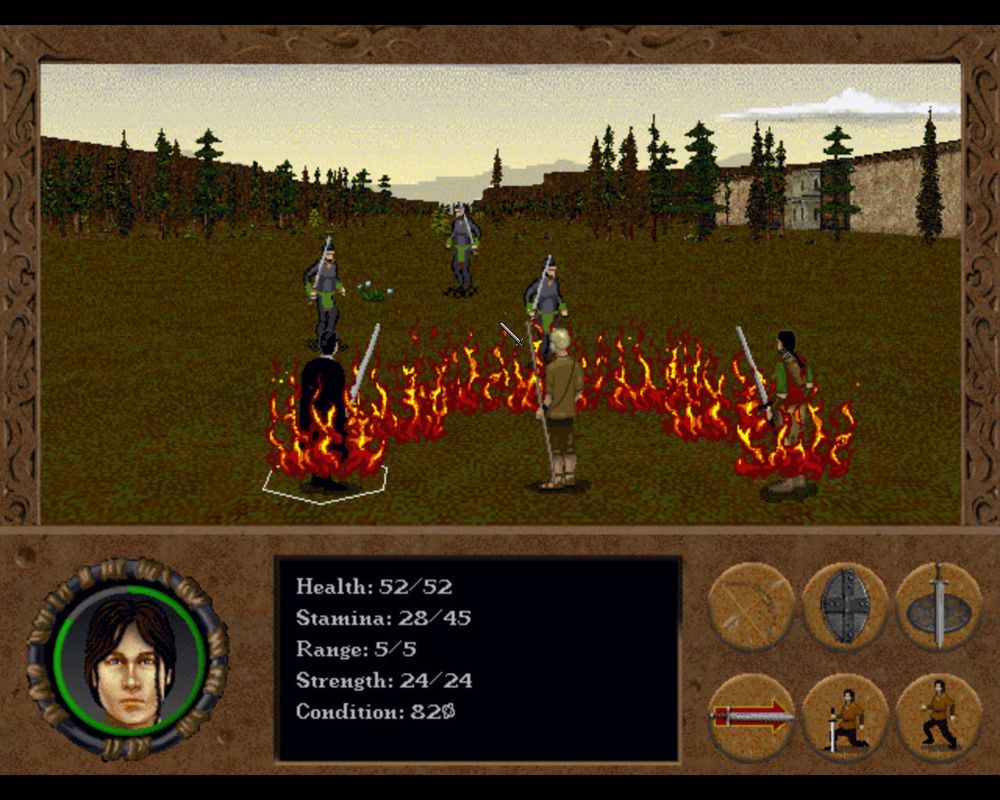
Combat is conducted on a separate battle screen that emphasizes tactical, turn‐based decisions. Positioning matters: sneak attacks can be initiated if your rogue’s stealth skill is high enough, granting massive early‐round advantage. Fighters excel in front‐line engagements, while Aren, your resident magic user, can research and combine elements to devise devastating or protective spells. Regular weapon and armor maintenance keeps equipment relevant, and the game’s day/night cycle influences visibility and certain quest triggers.
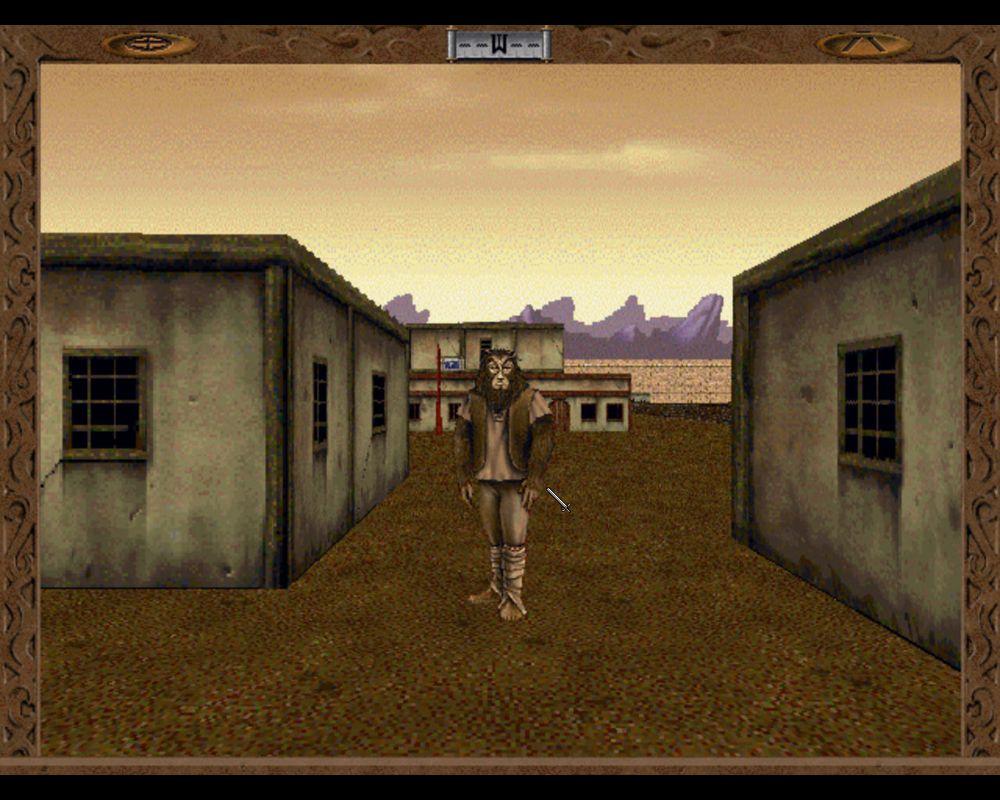
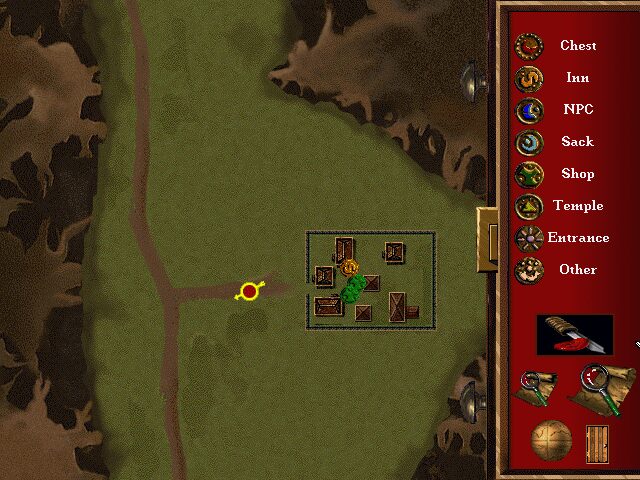
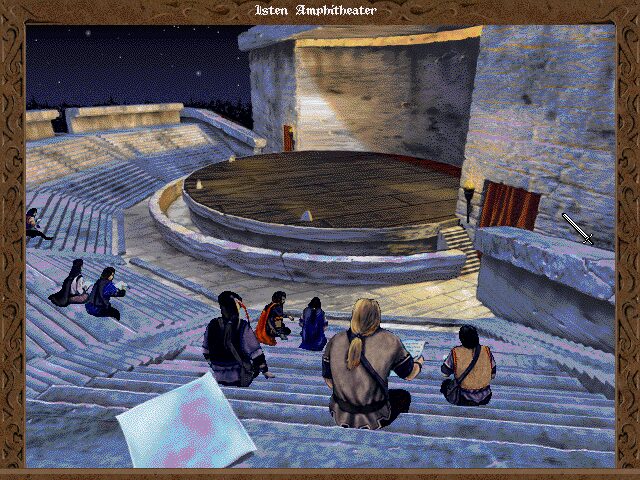
Exploration blends freedom with curated encounters. Most towns are fully explorable in first‐person 3D, allowing you to wander streets, bargain with merchants, and unearth side quests. A handful of settlements revert to the classic icon‐based map overlay, streamlining navigation at the expense of immersion. Hunger and fatigue meters require you to eat and rest, adding a survivalist touch that reinforces the medieval setting without feeling overly punitive.
Graphics
The graphics engine in Betrayal in Antara is an evolution of the Betrayal at Krondor engine, offering crisper textures, smoother character animations, and draw distances that bring the world of Ramar to life. Overworld vistas—rolling hills, dense forests, and coastal harbors—are rendered in fully shaded 3D, with dynamic lighting that cycles from dawn to dusk. Performance is generally stable on period hardware, and the optional full‐screen mode maximizes immersion.
While outdoor areas benefit from polygonal modernization, indoor environments revert to beautifully hand‐drawn backdrops. Tavern interiors, royal halls, and dank dungeon corridors are presented as high‐resolution illustrations, giving each location a unique artistic flair. Character portraits during dialogue are likewise hand‐painted, capturing subtle expressions that bring NPCs to life.
Spell effects and combat animations are serviceable if not groundbreaking. Magic spells explode in vibrant bursts of color, and sword clashes are accompanied by impactful sound cues. Although modern players may find some environmental textures dated by contemporary standards, the visual dichotomy between 3D exploration and 2D art helps the game maintain a distinctive charm.
Story
Rather than continuing Raymond E. Feist’s beloved Riftwar saga, Betrayal in Antara introduces a wholly new realm—Ramar—and a fresh cast of characters. The narrative opens with William Escobar, son of Pianda’s governor, whose return voyage is violently interrupted by pirates. Stranded with a dying stranger, William inherits a mysterious medallion and a dire warning of a looming conspiracy against the Empire.
Shortly after the shipwreck, William crosses paths with Aren, a fledgling magician who has just discovered potent arcane abilities. Their budding friendship drives the early chapters, as they journey to the governor’s seat to fathom the pact inscribed upon the medallion. Along the way, they encounter political intrigue, subterranean horrors, and morally ambiguous NPCs offering side quests that flesh out Ramar’s history.
Dialogues are text‐driven and written with care, capturing a tone that blends high fantasy gravitas with occasional wry humor. Though voice acting is absent, the richly detailed prose paints vivid mental images of each scene. Plot twists, betrayals, and a perfidious cabal keep players invested, ensuring that the central mystery remains compelling until the very end.
Overall Experience
Betrayal in Antara is a masterclass in integrating classic role‐playing systems with updated visuals and quality‐of‐life improvements. It may feel somewhat more linear than its predecessor, but the abundance of side quests and character development opportunities counterbalances that constraint. The engine enhancements make world‐navigation and inventory management more intuitive, while the established mechanics of skill progression and tactical combat cater to series veterans.
The game’s dual presentation—3D overworld exploration contrasted with 2D environmental art—strikes a unique aesthetic that may surprise players expecting one or the other. Its moderate learning curve rewards patience: understanding how to combine elemental magic or time a surprise attack can turn a daunting battle into a satisfying triumph. Meal planning, armor repairs, and time management add strategic layers that never overpower the core adventure.
For fans of classic, story‐driven RPGs, Betrayal in Antara offers a rich, immersive journey across a new fantasy landscape. It honors the legacy of Betrayal at Krondor while charting its own course. Though it lacks the name recognition of a Feist sequel, its well‐crafted plot, nuanced characters, and robust gameplay systems make it a worthy purchase for anyone seeking traditional, turn‐based role‐playing thrills.


Reviews
There are no reviews yet.