 Retro Replay Retro Replay gaming reviews, news, emulation, geek stuff and more!

Retro Replay Review
Gameplay
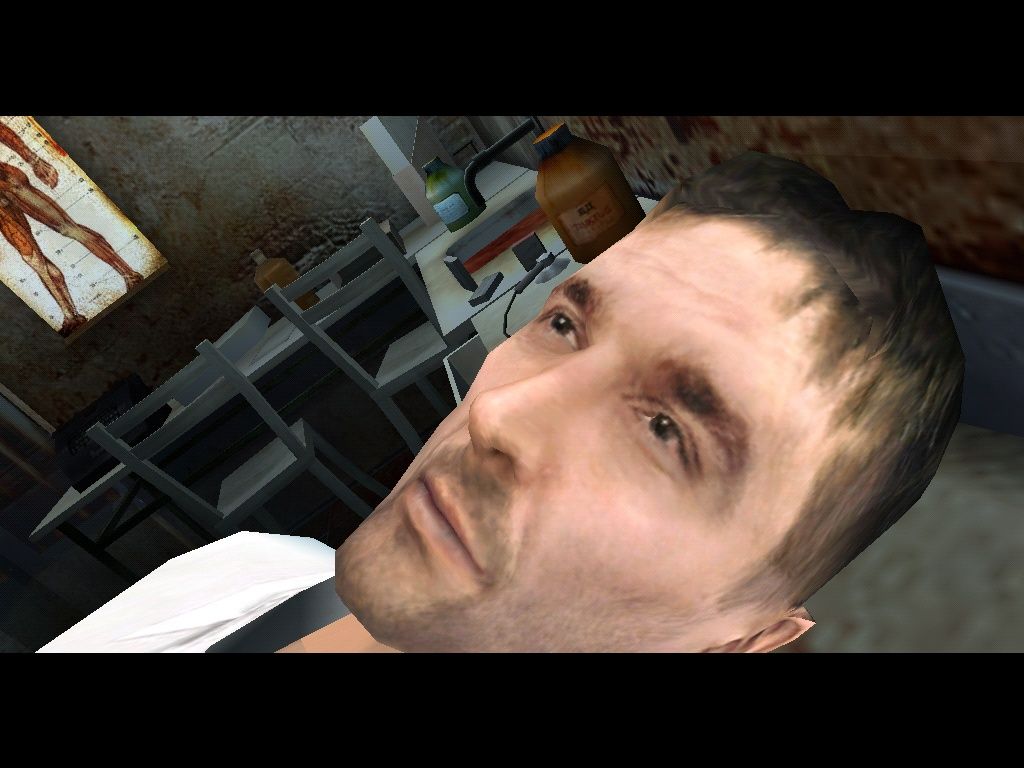
Bloodline plunges you straight into the action with a gripping introduction: you awaken on an operating table, disoriented and alone, with no idea how you ended up in this decaying hospital. The game’s pace never lets up, pushing you to explore dim corridors, scrounge for supplies, and fend off relentless undead foes. The familiar WASD plus mouse control scheme feels responsive and precise, allowing you to maneuver quickly in tight spaces or line up headshots against shambling corpses.
(HEY YOU!! We hope you enjoy! We try not to run ads. So basically, this is a very expensive hobby running this site. Please consider joining us for updates, forums, and more. Network w/ us to make some cash or friends while retro gaming, and you can win some free retro games for posting. Okay, carry on 👍)
The smart cursor system is a welcome evolution of classic survival horror mechanics. As you traverse ruined rooms and flooded basements, the reticule changes to signal interactable objects—be it a rusted note pinned to a wall or a vital health pack tucked beneath a shelf. This intuitive guidance prevents needless frustration without holding your hand, encouraging thorough exploration and rewarding curious players with lore-filled documents and hidden side rooms.
Inventory management introduces a layer of tactical decision-making. With limited slots available, players must choose whether to tote extra ammunition, healing items, or key puzzle components. Combining objects in your inventory feels satisfying—crafting a makeshift torch from cloth and oil or rigging a door to slow down undead pursuers adds depth to the survival experience. While the inventory interface closely mirrors that of Silent Hill, it integrates smoothly with first-person navigation and never feels cumbersome.
Puzzle-solving in Bloodline strikes a careful balance between challenge and clarity. Most rooms lock you into short, self-contained areas where you must uncover codes, flip switches, or piece together fragmented blueprints to proceed. When critical items remain undiscovered, a discreet red exclamation mark appears in the corner of your HUD, gently steering you back without shouting instructions. This design philosophy ensures you stay immersed in the horror rather than get stuck pondering trivial details for too long.
Graphics
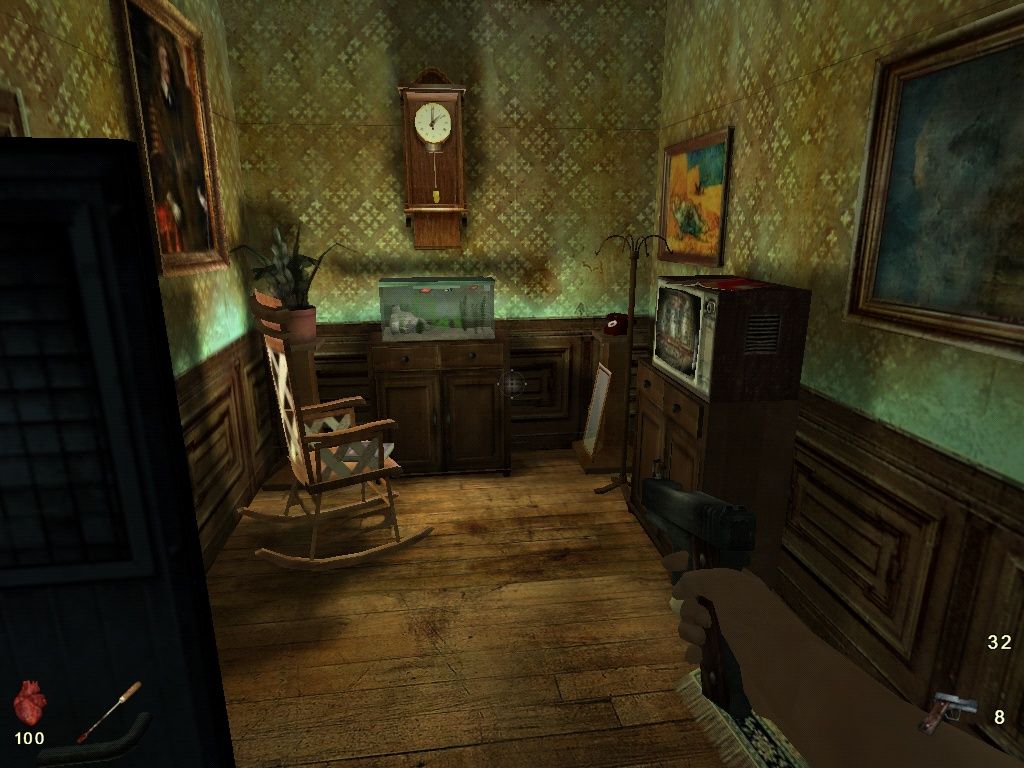
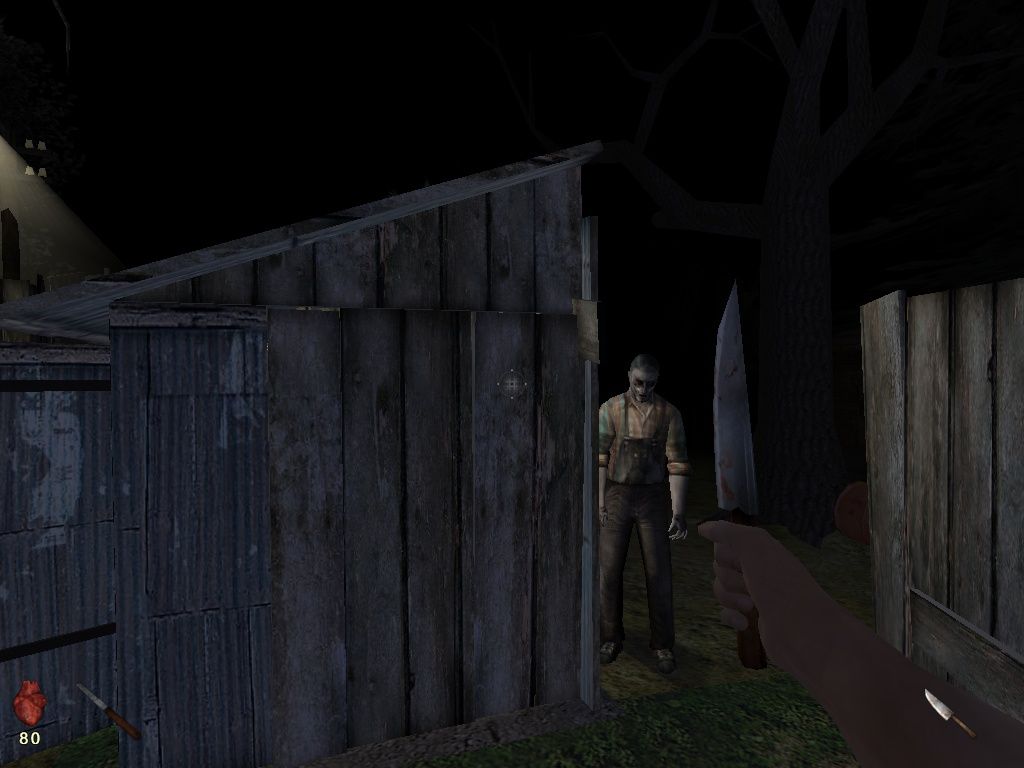
From the moment you step into Bloodline’s grim hospital, the visual presentation leaves an immediate impression. Corridors are slick with stagnant water, paint peels from the walls, and flickering lights cast dancing shadows that play tricks on your eyes. The game’s engine renders grime, blood spatters, and rusted metal with realistic textures, turning every encounter into a claustrophobic nightmare.
The lighting system is the star of the show. Torches or the flashlight attachment on your handgun produce dynamic shadows that sway and stretch as you move, creating an atmosphere thick with suspense. In some areas, lights fail entirely, forcing you to rely on limited ammunition for flares or the glow from health packs. This interplay of light and darkness keeps you on edge, amplifying every creak of floorboards and distant moan.
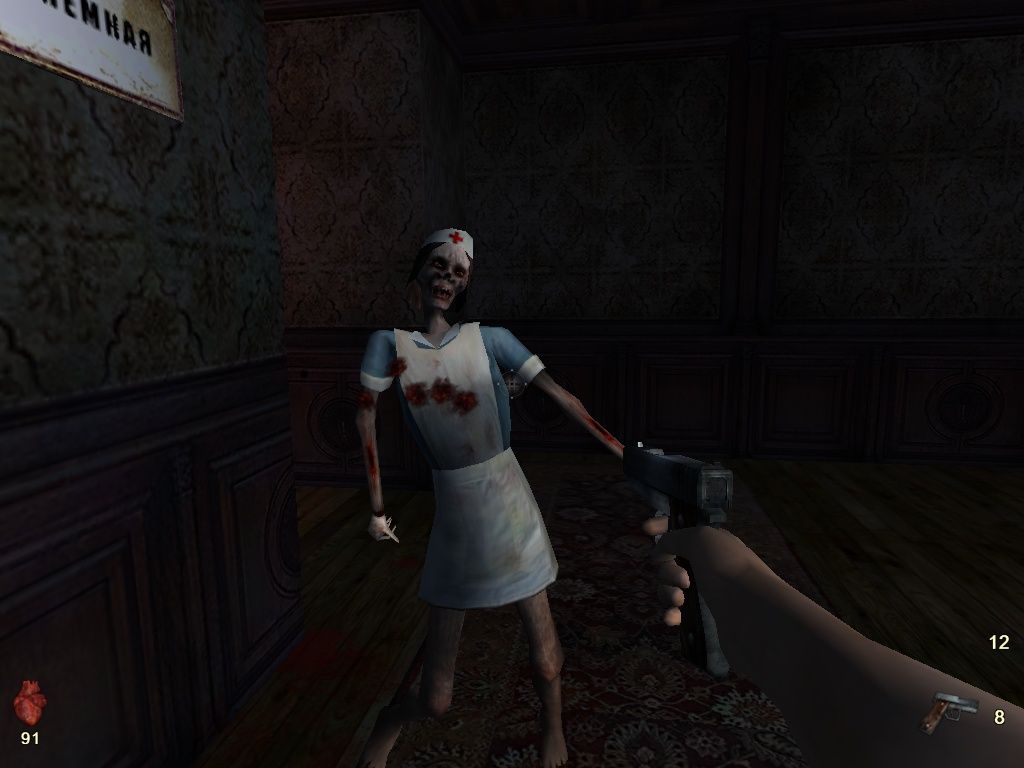
Character and enemy models are detailed and grotesque in equal measure. The undead survivors exhibit unsettling levels of decay—exposed bone, hanging flesh, and vacant eyes that follow your every move. Animations are fluid enough to convey their ravenous intent; some lunge violently, while others shuffle in eerie unison. Occasional frame dips in densely populated rooms are rare and don’t detract from the overall immersion.
Environmental variety prevents visual monotony. Though the setting remains within the hospital complex, you’ll explore morgues, psychiatric wards, flooded basements, and even a scorched courtyard. Each area boasts distinct color palettes and set pieces—cool, sterile whites in operating theaters; sickly greens dripping from ventilation shafts; and charred reds where makeshift barricades once held. These shifts in scenery keep your senses sharpened as you delve deeper into the facility’s horrors.
Story
Bloodline’s narrative unfolds gradually through scattered documents, audio logs, and environmental storytelling. You begin with a blank slate—no memories, no identity—and must piece together what happened to the hospital and to yourself. Each note or cassette reveals clues about unethical medical experiments, a mysterious pathogen, and the facility’s collapse into chaos.
Players connect the dots between characters—doctors who pushed boundaries, patients who suffered horrific treatments, and enigmatic figures lurking in the shadows. Dialogues are sparse, heightening the sense of isolation, but intermittent radio transmissions and journal entries flesh out the timeline and motives behind the outbreak. This fragmented approach keeps you guessing and compels you to hunt down every scrap of evidence.
As you uncover your own role in the catastrophe, the psychological horror ramps up. Flashbacks blur the line between reality and nightmare, and occasional hallucinations force you to question whether the undead are the only ones who’ve lost their minds. The game resists spoon-feeding answers, choosing instead to let you interpret events and draw your own conclusions about the true nature of the “bloodline” experiment.
The climax ties together these narrative threads with a series of moral choices that affect the ending. By deciding who to help, which files to destroy, or which areas to seal off, you influence both your fate and that of any survivors you’ve encountered. This branching conclusion adds replay value, encouraging you to revisit the hospital’s darkest corners to see alternate outcomes.
Overall Experience
Bloodline delivers a tightly crafted survival horror adventure that honors its predecessors while carving its own identity. The game’s balance of combat, exploration, and puzzles creates a tense ebb and flow—moments of frantic gunfire followed by breathless creeping through deserted hallways. It never overextends its welcome and keeps you invested for the duration of its roughly 8–10 hour campaign.
The audio design elevates the dread to new heights. Footsteps echo in empty corridors, distant screams reverberate like ghostly warnings, and a haunting musical score underscores every discovery. Subtle ambient noises—a dripping pipe, the shuffle of a corpse—blend seamlessly with louder effects, ensuring you rarely feel safe even in ostensibly cleared areas.
While minor technical hiccups may surface—occasional texture pop-ins or minor control quirks during intense firefights—these do little to derail the overall immersion. The developers have clearly polished the core experience, and regular checkpoints prevent frustration from forcing you to replay lengthy sections after dying.
For fans of atmospheric, story-driven horror, Bloodline is a must-play. It captures the essence of classic survival games and injects fresh ideas that keep the formula from growing stale. Whether you’re a veteran of the genre or a newcomer seeking a pulse-pounding thrill, this game offers a memorable descent into darkness that you won’t soon forget.


Reviews
There are no reviews yet.