 Retro Replay Retro Replay gaming reviews, news, emulation, geek stuff and more!
Retro Replay Review
Gameplay
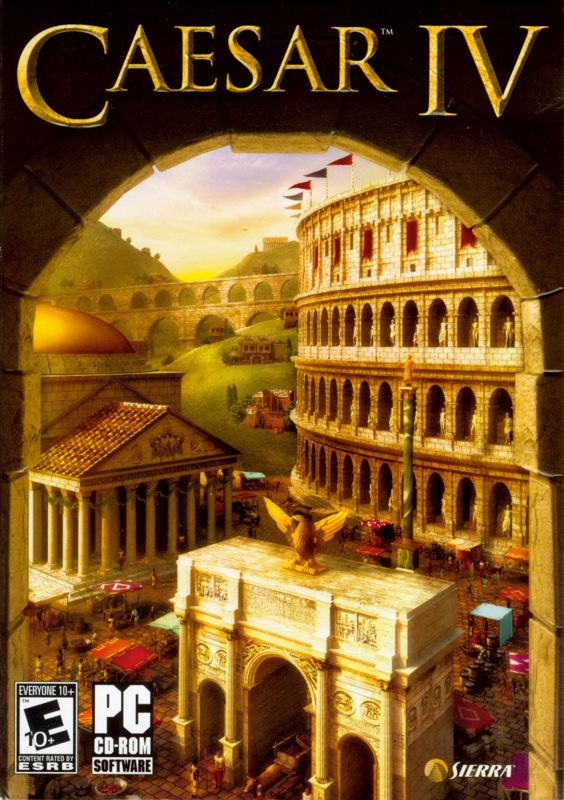
Caesar IV places you in the sandals of a Roman governor tasked with transforming a rustic province into a thriving imperial capital. From the moment you lay out your first grid of residential blocks, the game emphasizes meticulous city planning. You must balance the basic needs of your citizens—food, water, and shelter—against more advanced requirements like entertainment, religion, and public safety.
(HEY YOU!! We hope you enjoy! We try not to run ads. So basically, this is a very expensive hobby running this site. Please consider joining us for updates, forums, and more. Network w/ us to make some cash or friends while retro gaming, and you can win some free retro games for posting. Okay, carry on 👍)
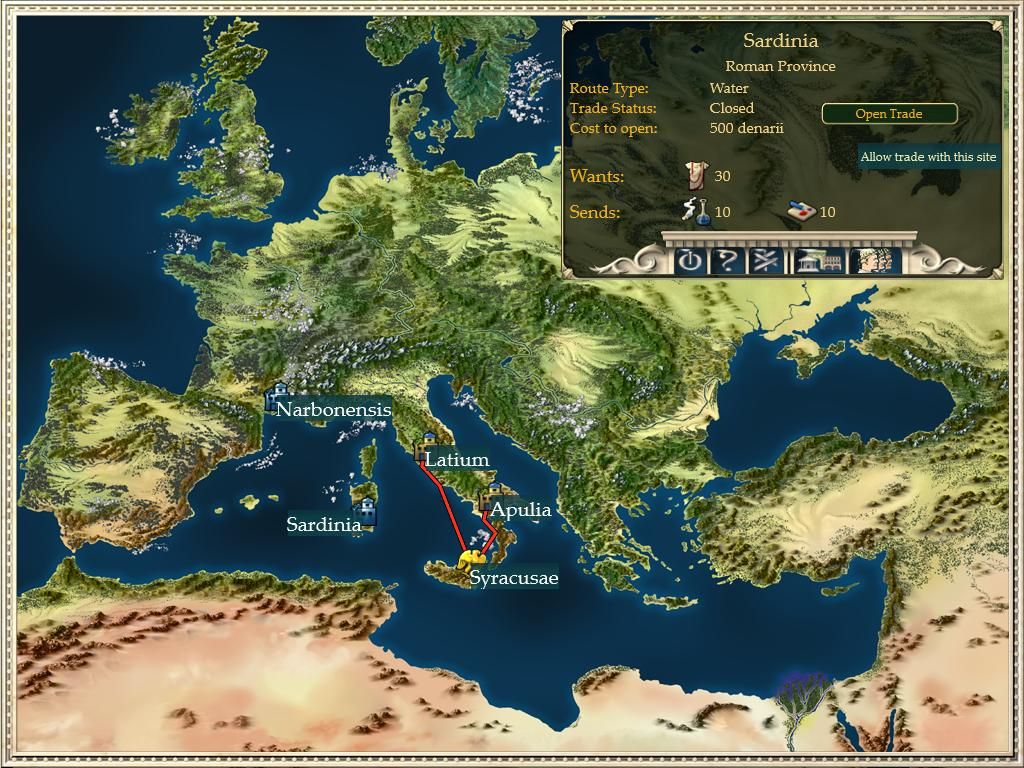
As your city grows, so does the complexity of your responsibilities. You’ll manage supply chains of wheat, wine, olives and garum, directing shipments back to Rome to satisfy imperial demands and secure additional funding. Trade routes and resource distribution become critical, requiring you to design efficient road networks, warehouses, and production facilities. A single bottleneck in your logistics can lead to starving plebs or stalled exports, so constant adjustment is key.
Beyond peaceful expansion, Caesar IV tasks you with defending your city from barbarian incursions. Watchtower garrisons and military roads must be positioned to intercept raiding parties before they ravage your farms. The game’s skirmishes are less about grand armies and more about strategic chokepoints and timely reinforcement. Meanwhile, the online modes—Caesar’s Challenge and Empire mode—add a competitive edge, pitting you against other players in seasonal rankings or encouraging you to design and share ambitious custom scenarios.
Graphics
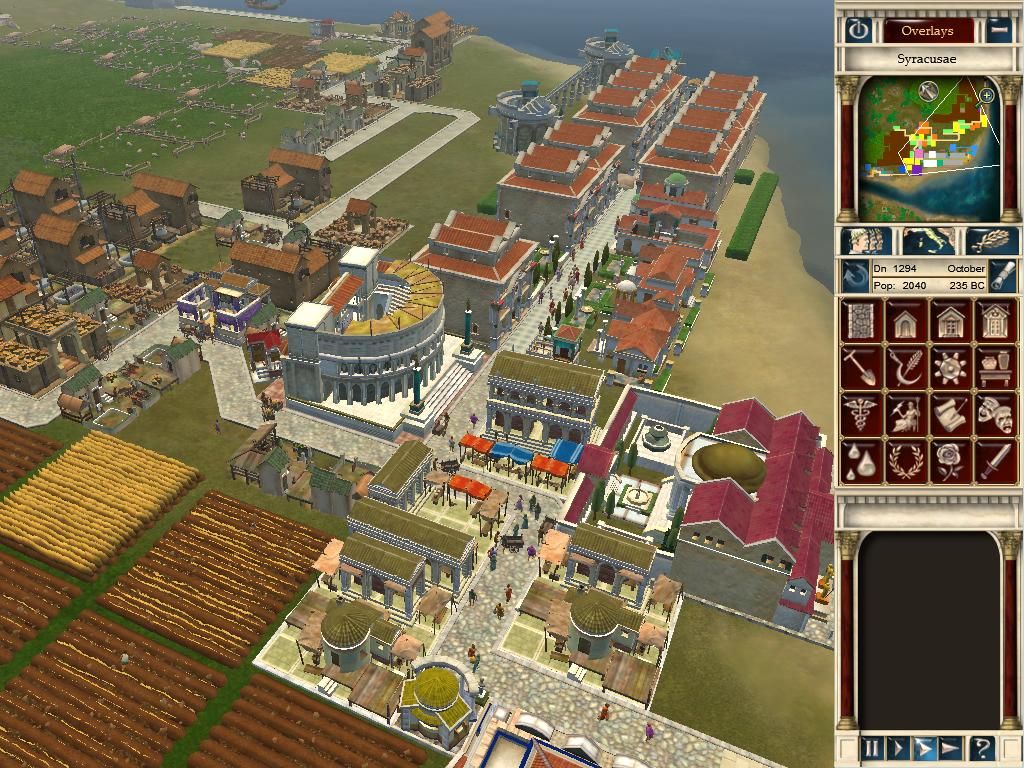
In contrast to its 2D predecessor, Caesar IV boasts a fully 3D engine that lets you rotate and zoom across your metropolis. Buildings rise from the terrain with rich textures and dynamic shadows, creating a convincing Mediterranean atmosphere. Subtle details—shimmering water in aqueducts, sunlit marble facades—give your city a tangible sense of place.
The isometric camera offers a clear vantage point for both macro-management and fine-tuning. Roads curve around natural terrain, houses cluster around fountains, and plazas feel alive with pedestrian traffic. The UI overlays smoothly integrate resource icons, citizen happiness meters, and construction menus without obscuring the scenery.
While the graphical upgrade is impressive, it does come at a cost: early versions suffered from performance hitches on mid-range hardware. Subsequent patches reduced stuttering in sprawling cities, but players with older rigs may need to tweak settings. Even so, the visual payoff—complete with day-night lighting shifts and seasonally changing foliage—makes every province uniquely picturesque.
Story
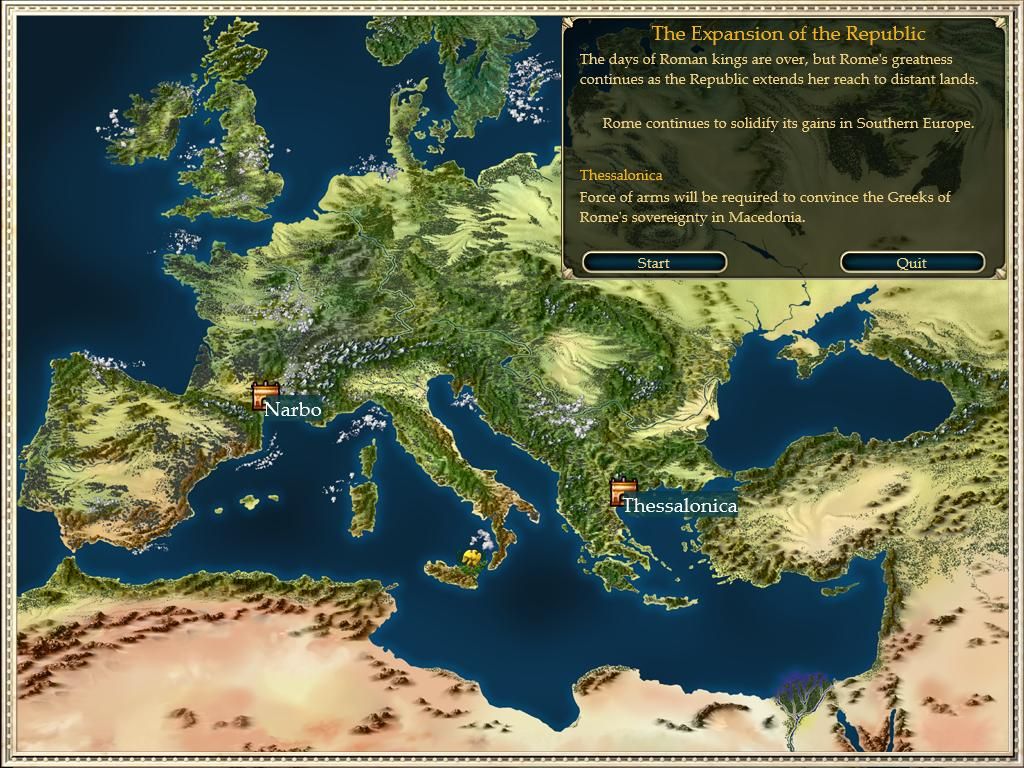
Unlike traditional RPGs, Caesar IV weaves its narrative through mission objectives rather than scripted cutscenes. Each province in the campaign is introduced by a brief cinematic narrated by Mercury, the godly messenger, who outlines your political and economic goals. These vignettes set the tone, reminding you that every successful province inches you closer to the ultimate prize—ruling Rome itself.
Within each scenario, the story emerges organically from the challenges you face. A poor harvest may trigger food shortages, forcing you to negotiate grain imports or rethink your irrigation network. Barbarians may exploit weak borders, turning a peaceful level into a crisis requiring impromptu fortifications. In this way, Caesar IV delivers a dynamic, player-driven narrative where your successes and failures become chapters in your provincial legend.
Additionally, the Empire mode offers endless custom storytelling as you and other governors craft new scenarios and share them online. Whether you’re recreating historical sieges or devising whimsical “what‐if” scenarios, the community-driven content extends the game’s thematic depth far beyond its original campaign.
Overall Experience
Caesar IV stands as a robust city-building simulator that rewards thoughtful planning and adaptive strategy. Its detailed economic modeling and layered resource management allow for deeply satisfying “a-ha” moments when you optimize a supply chain or foil a barbarian raid. At its best, the game captures the grandeur of Rome’s expansion and the intimate bustle of daily urban life under imperial rule.
The learning curve can be steep, particularly for newcomers to real-time city builders. Early software bugs and a somewhat dated UI design initially held the game back, but generous post-launch support and fan-made patches have smoothed many rough edges. Multiplayer modes and the scenario editor greatly enhance replay value, ensuring there’s always a fresh challenge or a community creation to explore.
For history buffs and strategy fans alike, Caesar IV remains a compelling purchase. It may not dazzle with flashy combat or branching storylines, but its blend of authentic Roman flavor, complex economic systems, and emergent storytelling delivers a richly immersive experience. If you’ve ever dreamed of raising a legion-protecting, aqueduct-traversed city worthy of the Senate’s praise, this sequel offers just that—and then some.


Reviews
There are no reviews yet.