 Retro Replay Retro Replay gaming reviews, news, emulation, geek stuff and more!
Retro Replay Review
Gameplay
Clover’s gameplay invites players into a serene side-scrolling world where traditional health bars and lethal enemies are entirely absent. Instead, the core mechanics revolve around exploration and item-based puzzle solving, harkening back to classic adventure titles like the Dizzy series. You guide Sam Kirkwell through the land of Sanha, interacting with the environment and its inhabitants using a single context-sensitive key. This streamlined approach keeps the focus squarely on finding the right items and discovering how they fit into the world’s many gentle riddles.
(HEY YOU!! We hope you enjoy! We try not to run ads. So basically, this is a very expensive hobby running this site. Please consider joining us for updates, forums, and more. Network w/ us to make some cash or friends while retro gaming, and you can win some free retro games for posting. Okay, carry on 👍)
The inventory system starts modestly, limiting Sam to carrying only two items at once. This restriction encourages thoughtful decision-making: when you pick up a third object, the oldest item is automatically dropped yet remains accessible later in the game. Puzzles resolve seamlessly when Sam is holding the correct tool, eliminating tedious inventory menus or item-combination headaches. These design choices keep the flow uninterrupted and ensure that brainteasers feel like natural extensions of the world rather than arbitrary obstacles.
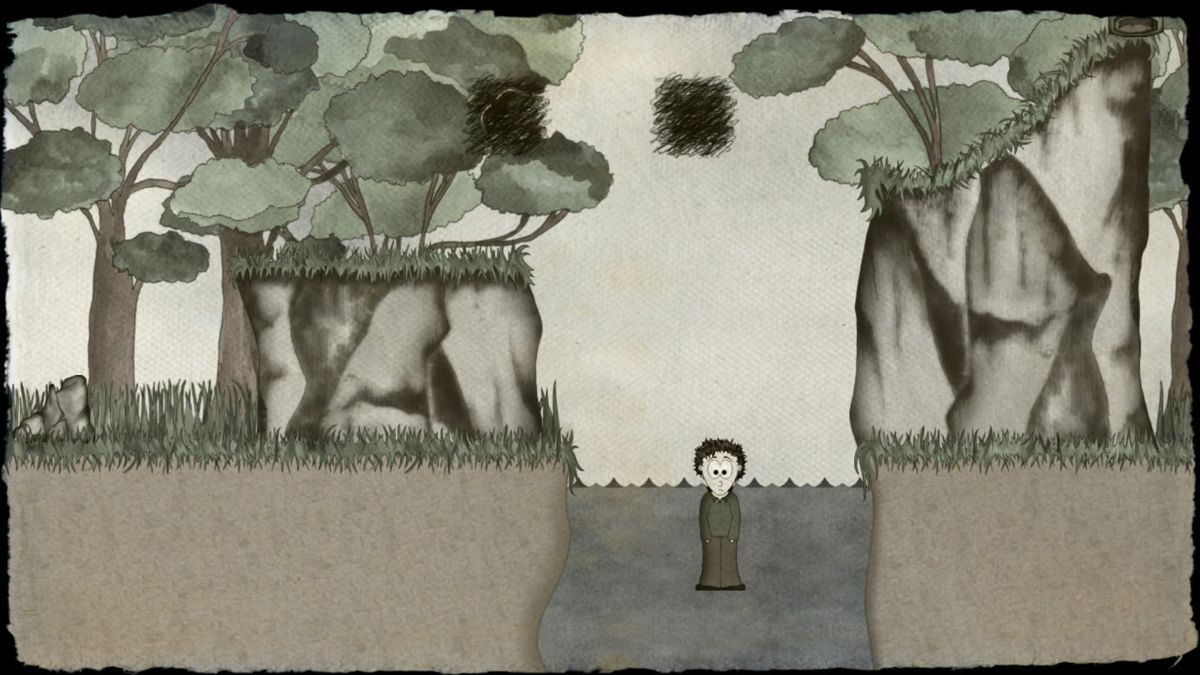
Though primarily puzzle-driven, Clover does sprinkle in light platforming challenges. Sam must hop over small chasms, evade occasional minor threats, and navigate environmental hazards. Should he stumble into danger, the screen gracefully fades to white and instantly offers a retry, preserving the game’s relaxed pace. Plus, optional collectibles—newspaper clippings and art gallery unlockables—add depth for completionists without ever feeling mandatory or punitive.
The reworked Windows edition of Clover enhances its gameplay with fresh puzzles, branched subquests, and four brand-new endings. A playable epilogue extends the story, granting extra closure for dedicated players. Controls have been refined to be fully context-sensitive, so interactions adapt to Sam’s situation without fumbling through button prompts. This polish makes the experience smoother for both newcomers and series veterans alike.
Graphics
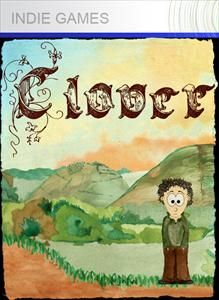
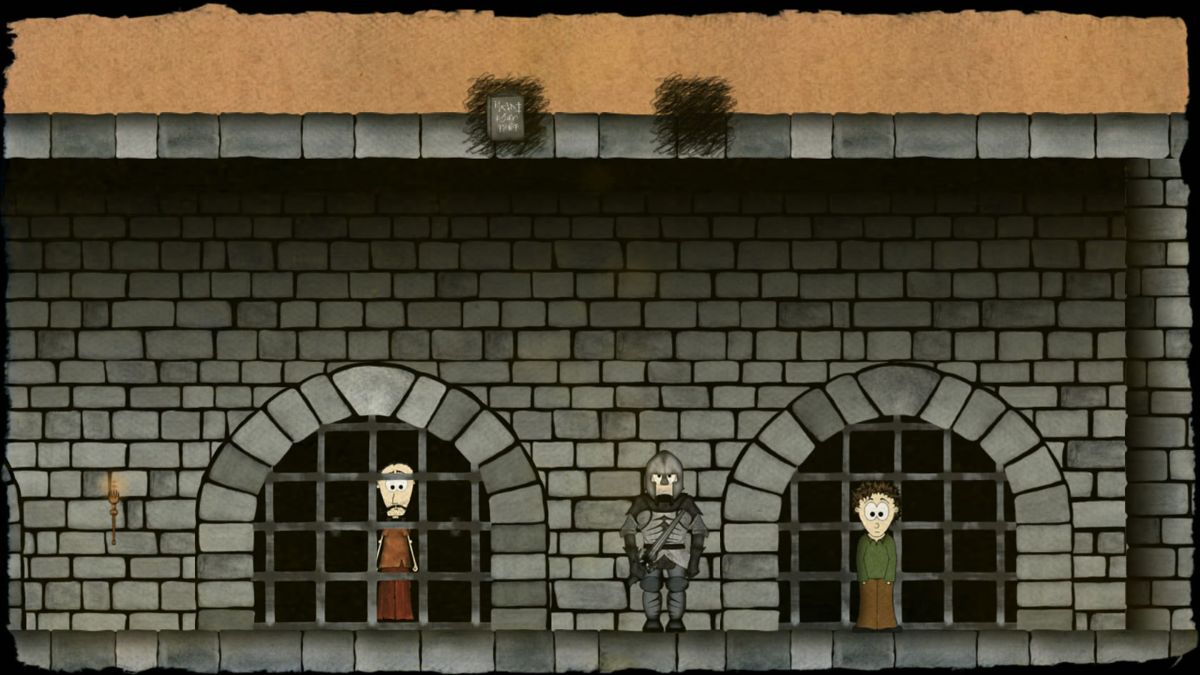
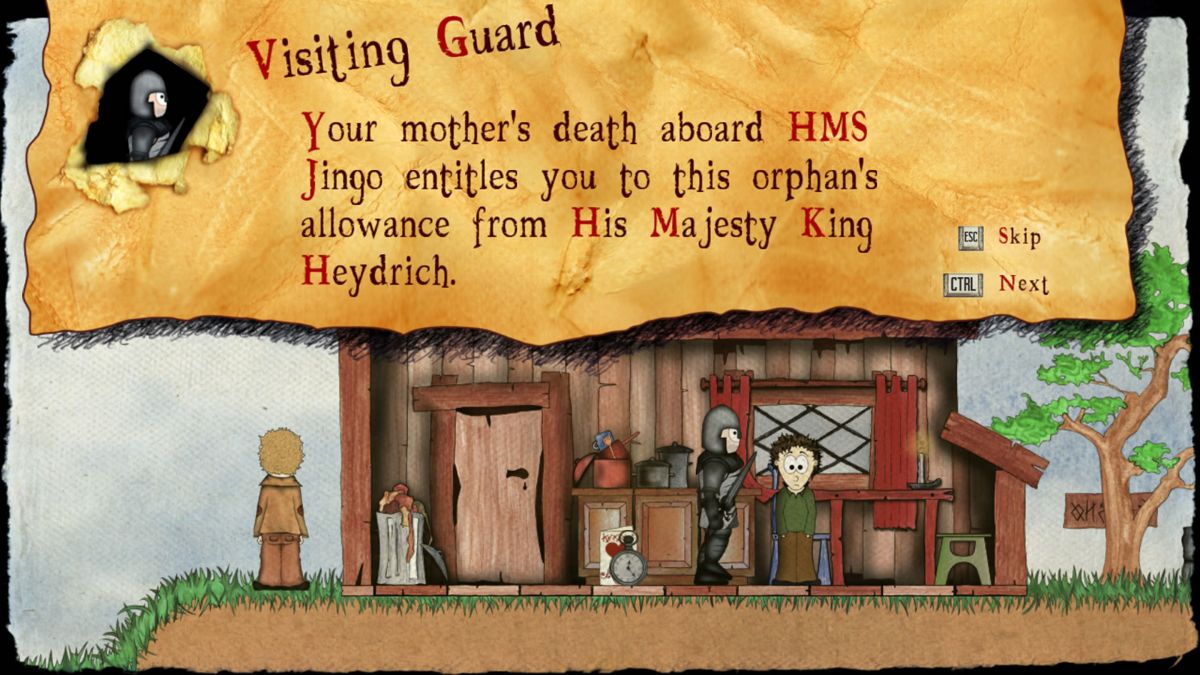
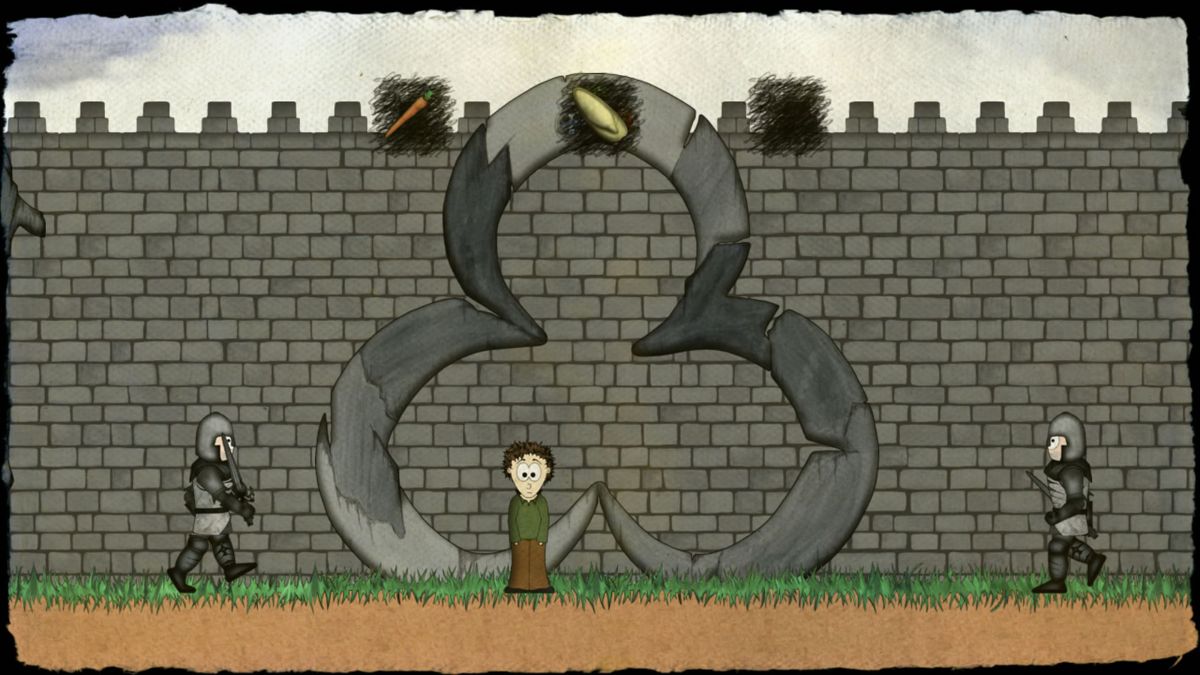
Clover’s visual style resembles a living watercolor painting come to life. Hand-painted backgrounds ooze charm, from rolling hills and quaint villages to misty forests and craggy coastline. Every screen feels like an illustration in a storybook, inviting you to linger and soak in the details—flower petals drifting on a breeze, villagers going about their daily routines, or distant ships sailing on sapphire seas.
The updated Windows version brings revamped character animations, breathing even more life into Sam and the supporting cast. Expressive facial movements and fluid body language make each NPC encounter memorable, despite the absence of dialogue trees. Subtle particle effects—dancing fireflies, drifting snowflakes or soft rain—add layers of atmosphere that reinforce the game’s peaceful, hopeful tone.
User interface enhancements complement the art direction without intruding on the scenery. Contextual icons appear only when needed, and inventory slots are elegantly integrated into Sam’s satchel imagery. Transitions between areas dissolve gently rather than abruptly loading, preserving the illusion of a seamless, interconnected world.
Story
The narrative of Clover unfolds in the tranquil kingdom of Sanha, ruled by the benevolent King Heydrich. When the merchant ship HMS Jingo is tragically sunk and young Sam Kirkwell loses his mother, he receives an orphan’s allowance from the crown. Plagued by grief and a desire for purpose, Sam embarks on a mission to recover fragments of the lost vessel, hoping to feel closer to his mother’s memory.
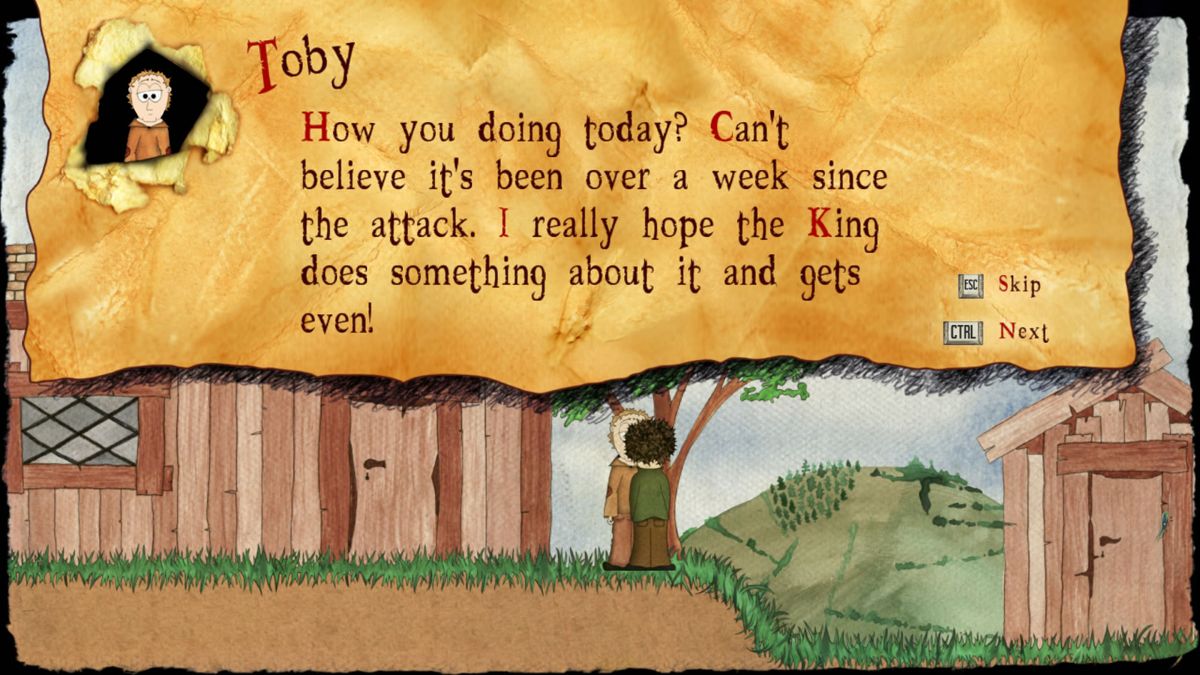
Rather than a linear, choice-driven tale, Clover’s story is woven through environmental clues and brief, poignant dialogues. There are no branching talk trees—just one key press to engage with townsfolk, who offer helpful hints or subtle foreshadowing. This simplicity lets the narrative breathe, allowing players to fill in emotional nuance without heavy-handed exposition.
Full voice acting in the English version (alongside French and Spanish translations) elevates the storytelling with warmth and sincerity. With four times the script of the original release, each character feels more rounded, and key story beats carry added weight. Multiple endings and a post-game epilogue give players agency to explore different outcomes, ensuring the tale of Sanha and Sam resonates on repeated playthroughs.
Overall Experience
Clover stands out as a gentle, contemplative journey in an era dominated by high-octane action and competitive multiplayer. Its watercolor aesthetics and leisurely pace make it the perfect antidote for players seeking relaxation wrapped in light puzzle challenges. The absence of permanent death or punitive mechanics ensures frustration is minimal—mistakes lead to a quick retry rather than a game over screen.
The blend of exploration, puzzle-solving, and light platforming keeps the gameplay varied without ever feeling overstretched. Optional collectibles and multiple endings reward thorough exploration, and the expanded Windows edition’s new quests and epilogue provide fresh incentives to return. Voice acting and UI refinements underscore the developer’s commitment to accessibility and immersion.
For anyone who treasures storybook charm, inventive puzzles, and a peaceful in-game world, Clover is a delightful title to add to your library. It proves that a game can be both artistically striking and thoughtfully designed, offering an uplifting adventure that resonates long after you’ve closed the application.


Reviews
There are no reviews yet.