 Retro Replay Retro Replay gaming reviews, news, emulation, geek stuff and more!

Retro Replay Review
Gameplay
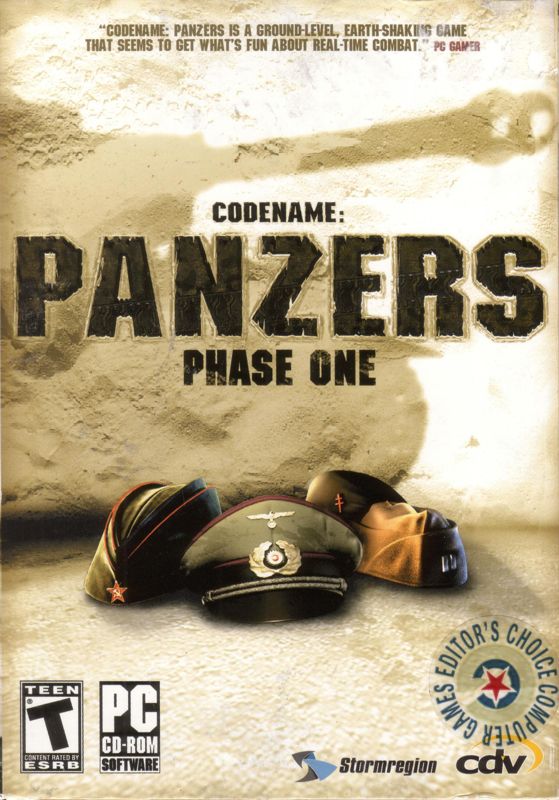
Codename: Panzers – Phase One throws you straight into the thick of World War II combat with a strictly tactical lens. Unlike many real-time strategy titles, there’s no base-building or resource harvesting here—every campaign mission begins with a preset roster of infantry, armor, and support units. This streamlined design shifts your focus entirely onto battlefield positioning, cover usage, and combined-arms coordination.
(HEY YOU!! We hope you enjoy! We try not to run ads. So basically, this is a very expensive hobby running this site. Please consider joining us for updates, forums, and more. Network w/ us to make some cash or friends while retro gaming, and you can win some free retro games for posting. Okay, carry on 👍)
The game spans three distinct campaigns—German, Soviet, and Allied—for a total of 30 missions, each crafted to test different strategic muscles. Prestige Points, awarded for completing primary, secondary, or hidden objectives, serve as the campaign’s “currency,” letting you reinforce your ranks with additional troops. On easy and normal difficulties, fallen units are replenished between missions; on hard, however, losses are permanent, raising the stakes and demanding careful preservation of veteran squads.
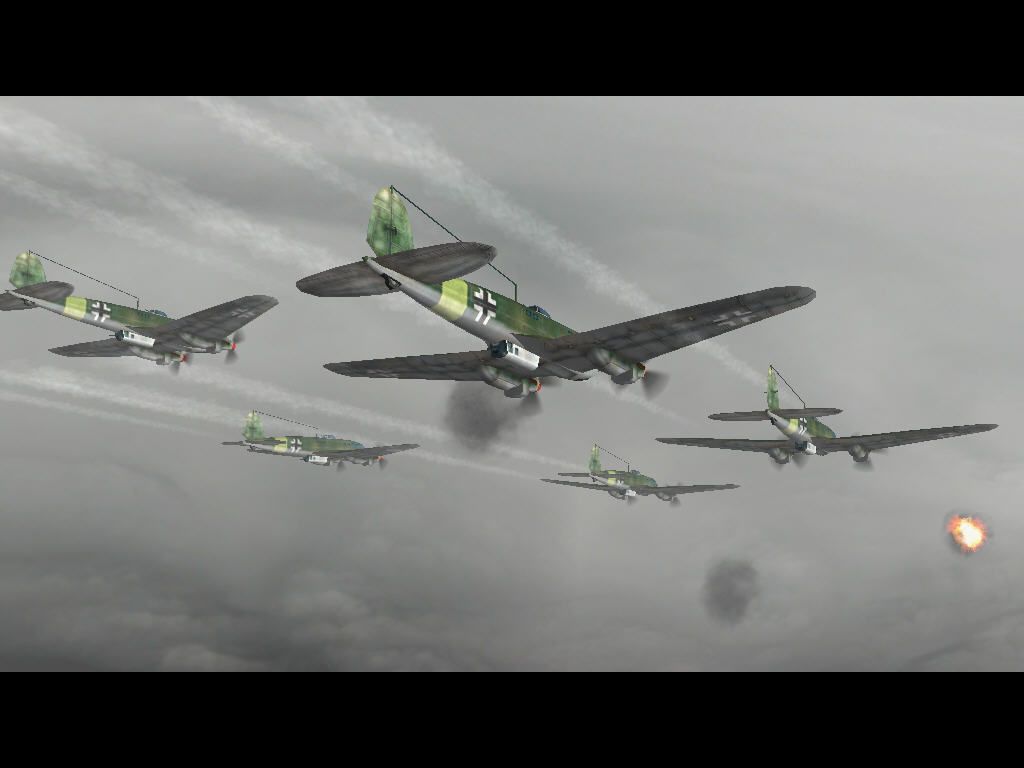
Unit variety is one of Panzers’ greatest strengths. You’ll command more than 50 unit types, from basic riflemen and anti-tank teams to heavy Panthers, T-34s, and Churchill tanks. Support roles—medics, ammo trucks, and repair vehicles—add another layer of tactical resource management, since ammunition and repairs are limited per mission. Adding air support—scouts, fighters, and bombers—further spices up engagements, though each scenario imposes an air-unit cap to keep you from relying solely on carpet bombing.
Graphics
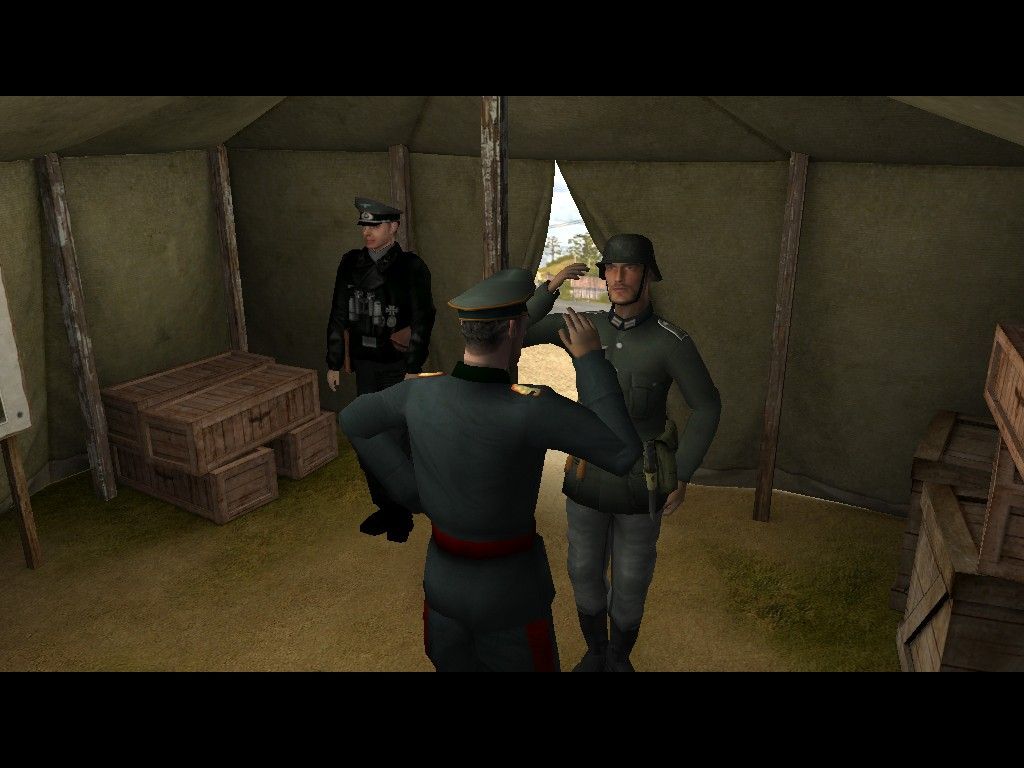
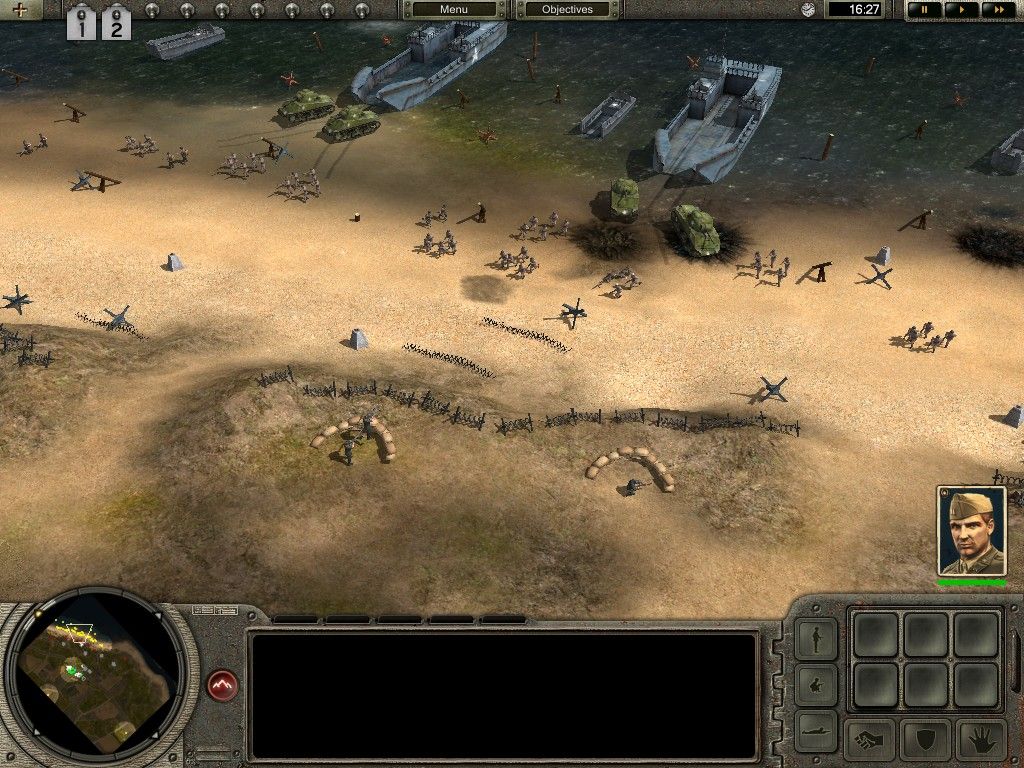
For a game released in the early 2000s, Codename: Panzers still delivers impressively detailed visuals. The isometric camera angle offers a broad overview of each map, while unit models showcase period-accurate uniforms, vehicle silhouettes, and weaponry. Terrain features—hedgerows, farmhouses, rivers, and forests—are rendered with sufficient detail to influence gameplay, making things like ambushes in dense foliage or chokepoints on bridges feel remarkably immersive.
Unit animations strike a balance between clarity and realism: a Panzer IV’s turret traverse, infantry downing rifles into firing positions, and repair crews busy at work all contribute to the battlefield atmosphere. Explosions, smoke plumes, and scorch marks are visually gratifying without overwhelming the screen, and weather effects—fog, rain, snow—occasionally shift the mood of a mission, subtly affecting visibility and unit behavior.
On modern hardware, Panzers runs smoothly even on high resolutions, thanks to efficient optimization. Zoom controls let you inspect your troops closely or pull back for grand strategic oversight, while draw distance ensures you rarely see pop-in. The user interface integrates neatly into the visuals, with clear health bars, command icons, and minimap indicators that keep you informed without cluttering the action.
Story
Codename: Panzers weaves a three-pronged narrative that lets you experience World War II through German, Soviet, and Allied eyes. Each campaign feels distinct, not only in terms of objectives and unit types but also in the historical framing of battle scenarios. From the tense urban clashes on the Eastern Front to the beach landings in Normandy, the missions capture the tactical diversity and scale of the conflict.
Briefings before each mission provide context for your orders, outlining primary, secondary, and hidden objectives that tie directly into the storyline. Voice-over narration and onscreen text strike a solid balance between historical detail and mission clarity, ensuring you understand why you’re securing that crossroads or destroying that enemy artillery position. Occasional cut-scenes punctuate the action, adding emotional weight to key turning points.
While Panzers doesn’t delve into deep character arcs, the shifting perspectives keep the narrative fresh. Observing the same battle from different sides highlights the chaos of war and underscores each faction’s desperation and resolve. Strategic victories and heartbreaking losses alike leave an impression, making you more invested in preserving your veteran units and achieving those hard-won objectives.
Overall Experience
Codename: Panzers – Phase One stands out as a refreshingly focused tactical RTS that swaps out base management for pure battlefield command. Its blend of tight mission design, substantial unit variety, and risk-reward mechanics via Prestige Points ensures every decision matters. Whether you’re flanking an enemy column with infantry squads or coordinating tank and air support for a decisive breakthrough, the gameplay remains engaging throughout all 30 missions.
With three full campaigns, varied difficulty options, and hidden objectives to uncover, Panzers offers strong replay value. Veterans will relish the unforgiving nature of hard-mode losses, while newcomers can enjoy a more forgiving learning curve on easy or normal settings. The lack of resource micromanagement means you spend less time clicking menus and more time thinking strategically.
Overall, Codename: Panzers – Phase One is a must-try for fans of World War II and tactical strategy. Its clear interface, solid presentation, and depth of tactical options make it accessible to newcomers yet challenging enough for seasoned commanders. If you’re looking for an RTS that emphasizes battlefield tactics over base-building, this title delivers a compelling, historically flavored experience that still holds up today.


Reviews
There are no reviews yet.