 Retro Replay Retro Gaming History, Reviews & Emulation
Retro Replay Review
Gameplay
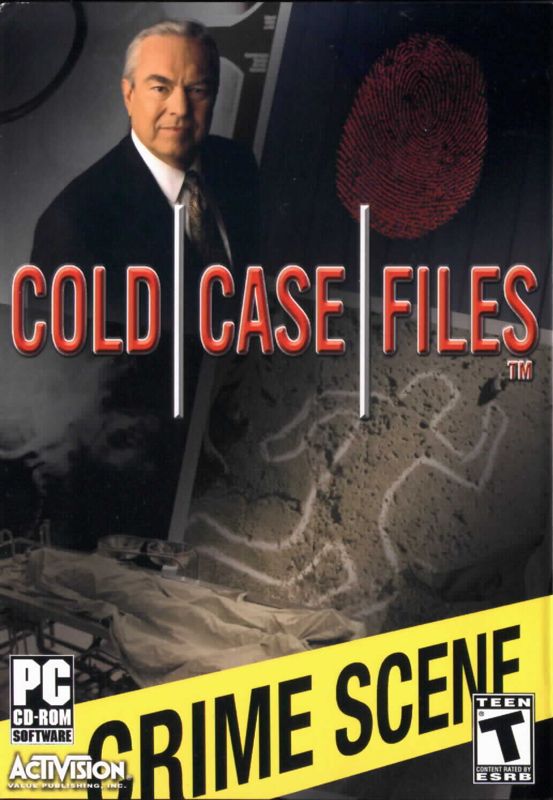
Cold Case Files places the player in the shoes of a seasoned investigator on a specialized Cold Case team, tasked with reopening mysteries that have gone unsolved for years. Instead of rummaging through pristine, active crime scenes, you mostly work with archived evidence and witness statements. This creates a unique investigative rhythm that emphasizes careful analysis and deductive reasoning over frantic forensics.
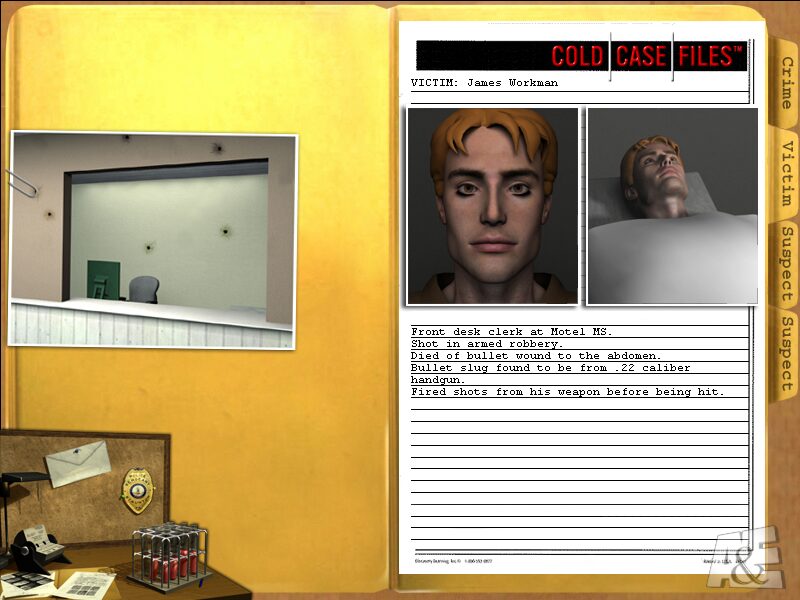
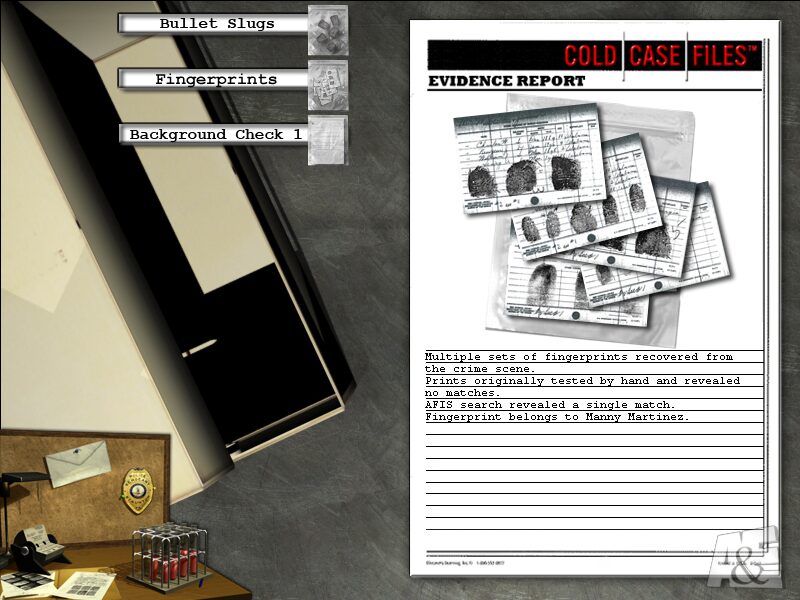
Your primary tools are dialogue trees and a detailed case file interface. During suspect interviews, you choose which questions to ask and which pieces of evidence to present. Pulling the right thread in conversation can unlock new testimonies or reveal contradictions that nudge you closer to the truth. While you can collect some fresh clues—fingerprints from a neglected box or DNA from an overlooked photo—those moments are rare and feel like mini-puzzles nested inside the interviews.
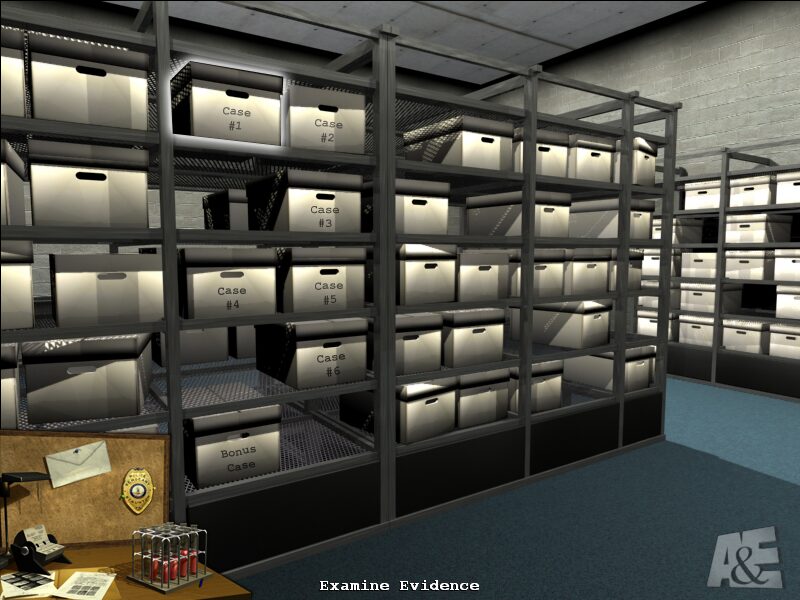
The structure of the six core cases, plus a downloadable bonus case, ensures a steady learning curve. Early cases are more straightforward, often focusing on a single victim or a small circle of suspects. As you progress, the investigations grow more intertwined and morally complex, forcing you to juggle timelines that span decades. The pacing occasionally slows during extended reading phases, but the satisfaction of connecting a long-forgotten clue to a living suspect keeps you engaged.
Graphics
Visually, Cold Case Files opts for a subdued, realistic style that suits its investigative premise. Crime scenes are displayed as high-resolution photographs and 3D-modeled dioramas, allowing you to pan around evidence with a forensic lens. While the graphics aren’t cutting-edge by modern standards, the muted color palette and gritty textures effectively evoke the passage of time and the weight of unsolved tragedies.
Character models and animations are serviceable but aren’t the game’s focus. Dialogue sequences use subtle facial expressions to hint at deception or nervousness, which are crucial cues during suspect interviews. Backgrounds—such as dusty attics, abandoned crime sites, and dimly lit police archives—are rendered with enough detail to feel lived-in, even if you won’t be running and gunning through them.
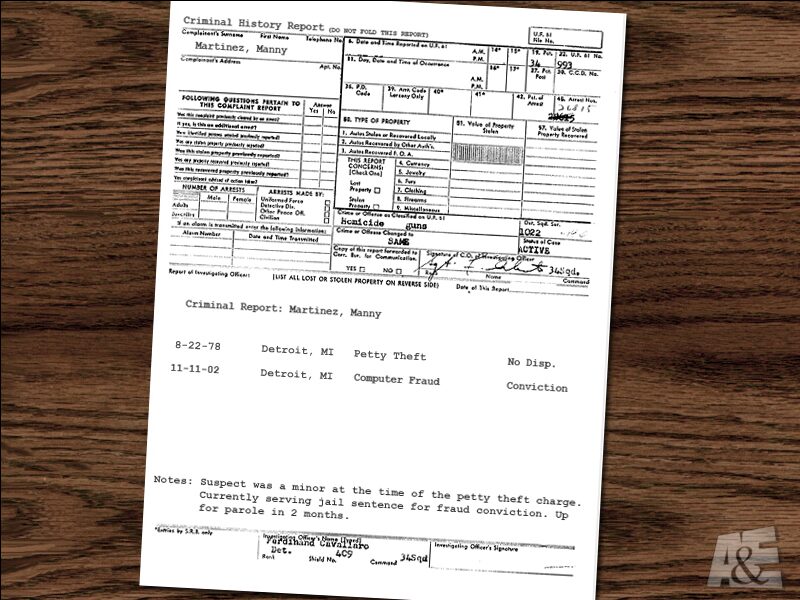
Interface design is clean and utilitarian. The case file menu organizes evidence by date, type, and relevance, making it easy to cross-reference statements with physical proof. Though occasional loading screens interrupt the flow, the minimalist HUD ensures that your attention remains on interview transcripts and evidentiary photos rather than on distracting on-screen clutter.
Story
Each case in Cold Case Files unfolds like a self-contained novella, complete with well-drawn characters, unexpected twists, and somber reflections on justice delayed. Whether you’re investigating a two-decade-old disappearance or a year-old double homicide, the narrative always underscores how the passage of time can blur memories, destroy alibis, and bury clues.
The game does an excellent job of weaving historical context into its storytelling. Some files date back to the early ’90s, and you’ll find yourself piecing together evidence from before the digital age—handwritten notes, grainy surveillance footage, and analog police reports. Later cases incorporate modern forensic techniques, lending a sense of progression to both the tech and your investigative skill set.
Dialogue-driven storytelling is a highlight. Suspects and witnesses aren’t caricatures—they have motives, regrets, and hidden agendas. Confronting a witness with new evidence can shift the tone dramatically, turning a cooperative informant into a defensive liar or vice versa. This dynamic keeps the narrative fresh and encourages multiple playthroughs to see how different questioning strategies affect the outcome.
Overall Experience
Cold Case Files offers a contemplative investigative experience that stands apart from action-oriented crime games. Its focus on interviews, evidence analysis, and narrative depth creates a steady, cerebral pace. If you’re seeking heart-pounding chases or real-time shootouts, this isn’t your game—but if you crave methodical problem-solving and genuine detective work, it hits the mark.
The six main cases provide around 10–12 hours of substantive gameplay, and the bonus downloadable case adds an extra layer of challenge. While the occasional slow stretch of reading can test your patience, the sense of accomplishment when you finally crack a stubborn mystery is immensely rewarding. The game’s moderate difficulty ensures that both newcomers to crime sims and series veterans will find suitable challenges.
In the end, Cold Case Files delivers an engrossing tribute to the unsung heroes of law enforcement who reopen the toughest investigations. Its strength lies in atmosphere, writing, and the satisfaction of unraveling long-dormant mysteries. For fans of forensic dramas and slow-burn detective stories, this game offers a rare opportunity to step into the boots of a cold case investigator and bring closure where it was once deemed impossible.


Reviews
There are no reviews yet.