 Retro Replay Retro Replay gaming reviews, news, emulation, geek stuff and more!
Retro Replay Review
Gameplay
Deadly Rooms of Death puts puzzle aficionados in direct control of an 8-directional swordsman, combining grid-based tactics with the tension of turn-based combat. Each move or sword rotation you make immediately triggers your enemies’ actions, turning every decision into a high-stakes calculation. You’ll learn early on that timing, spatial awareness, and foresight are just as critical to survival as a swift strike. The deliberate pacing allows you all the time you need to plan, but once you commit to a move, you’ll feel the weight of that choice as skeletons, slimes, and other foes close in.
(HEY YOU!! We hope you enjoy! We try not to run ads. So basically, this is a very expensive hobby running this site. Please consider joining us for updates, forums, and more. Network w/ us to make some cash or friends while retro gaming, and you can win some free retro games for posting. Okay, carry on 👍)
The variety of enemy types is a core strength of the gameplay. From slow-moving oozes that block your path to agile spiders that dart unpredictably around the room, each creature demands its own counter-strategy. As you progress, new behaviors emerge: flamethrowers that scorch tiles, agile bats that swoop in unpredictable patterns, and armored knights that require multi-step tactics to topple. Successfully clearing a room often hinges on isolating one threat at a time while keeping track of secondary targets, creating a thrilling mental juggling act.
Deadly Rooms of Death also rewards experimentation and pattern recognition. Many puzzles hinge on chaining attacks or manipulating enemy movement into kill zones. You’ll find yourself replaying rooms to shave off unnecessary maneuvers, driven by the urge to discover the most elegant solution. This layered complexity ensures each challenge feels fresh, even if you revisit early levels. And if you ever feel stuck, the game’s methodical design allows you to reset and retry without penalty, encouraging you to refine your approach until mastery.
Beyond the core levels, the title offers a selection of user-created rooms and community puzzle packs. Each new set brings custom mechanics, quirky enemy layouts, and thematic twists that extend the game’s lifespan indefinitely. Whether you’re hunting for a bite-sized brain teaser or an epic gauntlet of rooms, the player-driven content keeps the puzzles flowing and the strategies evolving.
Graphics
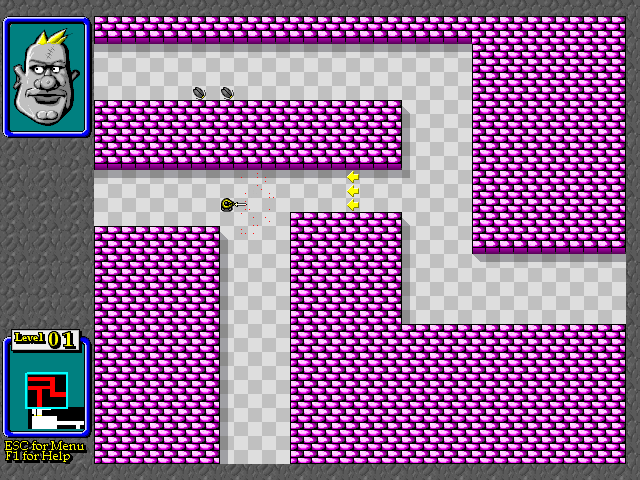
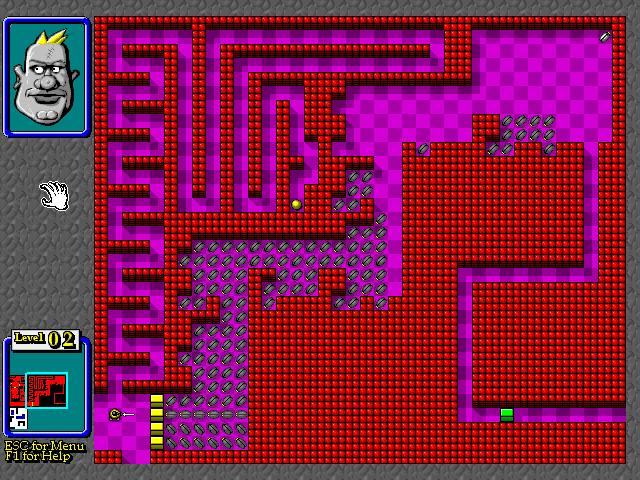
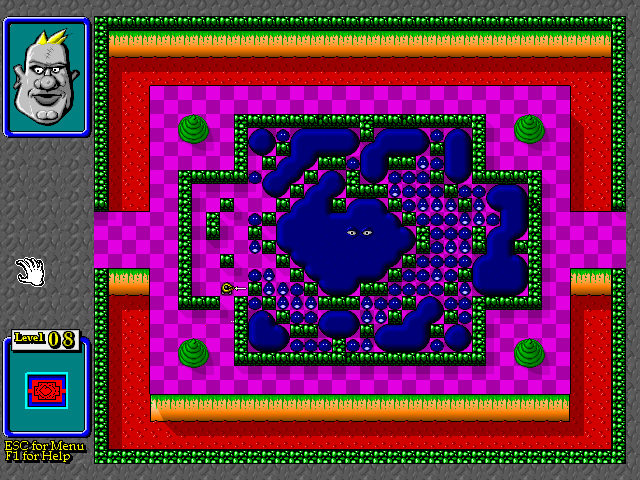
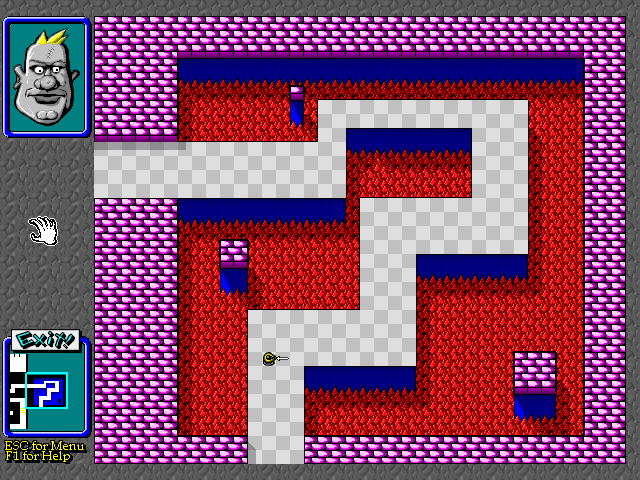
Visuals in Deadly Rooms of Death strike a balance between functional clarity and nostalgic charm. The game employs clean, grid-based tiles that make it immediately clear which squares are safe ground and which spell certain doom. While it doesn’t push graphical boundaries, the bold color palette ensures you always know where you stand—literally—amidst hordes of enemies. Each creature boasts a distinct silhouette, so you can quickly identify threats at a glance and plan your next move accordingly.
The minimalist approach to visual design extends to environmental details. Lava pits, water tiles, and inky shadows all serve both aesthetic and gameplay purposes, helping you spot hazards in the heat of planning. Special effects, like flickering torchlight or flashing sword slashes, add just enough flair to reinforce the stakes without overwhelming the core puzzle view. This sparing use of animation keeps the focus firmly on the mental game while still delivering moments of visceral satisfaction when you slice through a band of skeletons.
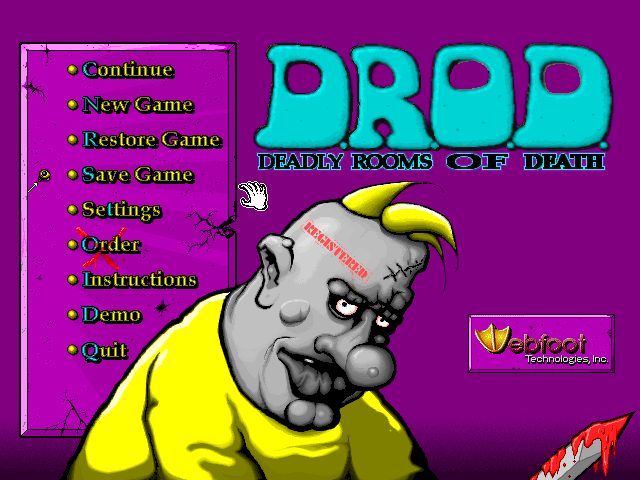
Menus and on-screen indicators are straightforward and intuitive. Health, keys, and room targets display prominently without cluttering the battle area. The interface rarely interrupts the flow of play, allowing for seamless move planning and execution. Subtle sound cues accompany enemy movements and sword strikes, enhancing feedback and ensuring you never miss a critical shift in the battlefield dynamics.
For fans of retro aesthetics and clear, no-nonsense visuals, this game delivers exactly what’s needed. It may not dazzle with high-definition textures or cinematic lighting, but its pixel-perfect clarity and consistent design language support the strategic depth at the heart of the experience.
Story
Deadly Rooms of Death weaves its narrative through sparse but evocative level introductions and ambient dungeon details. You inhabit a nameless swordsman tasked with clearing a labyrinth of fiends to confront the elusive final boss, the “Neather.” While there’s no lengthy cutscene barrage or sprawling lore tome, the game lets you infer the stakes through environmental storytelling—blood-stained floor tiles, shattered urns, and cryptic wall carvings hint at the horrors that came before.
Each dungeon segment feels like a chapter in a larger journey. As you progress, room descriptions occasionally drop hints of a deeper mystery: ancient rituals gone awry, long-forgotten guardians, and the creeping influence of an unseen malevolence. This minimalist approach keeps the spotlight squarely on the puzzles, while still rewarding players who pay attention to the small narrative breadcrumbs scattered throughout the levels.
Characterization is also handled with economical flair. Enemies aren’t just obstacles; their movement patterns and animations give them distinct “personalities.” A bat that flits unpredictably, a goblin that hesitates before striking, or a slime that slowly oozes toward you—they all feel like living threats with unique motivations. This subtle characterization adds texture to the game’s world without distracting from the primary challenge of puzzle-solving.
Ultimately, the story in Deadly Rooms of Death functions as an undercurrent rather than the main event. It provides just enough context to make you care about your quest, the denizens of the dungeon, and the ominous promise of the Neather waiting at the end. For players prioritizing narrative, the game may feel lean; but for those who relish emergent storytelling via gameplay, it offers a compelling backdrop to the strategic onslaught.
Overall Experience
Deadly Rooms of Death is a masterclass in minimalist puzzle design wrapped in a dungeon-crawl setting. The constant interplay between your actions and enemy responses creates a riveting loop that’s easy to learn but fiendishly hard to master. Whether you’re a puzzle veteran seeking complex brain-teasers or a strategy newcomer craving satisfying bite-sized challenges, this game serves up hours of cerebral fun.
The learning curve can be steep, and early rooms may feel like trial-and-error slogfests. But every breakthrough is immensely rewarding, forging a sense of progression as you unravel enemy behaviors and refine your tactics. Persistent players will find themselves grinding through particularly tough rooms not out of frustration, but out of the sheer pleasure of cracking the code and watching a perfectly executed plan unfold.
Community support further elevates the experience. With an active level editor and frequent fan-made puzzles, there’s always fresh content waiting. The open architecture has fostered a dedicated following, ensuring that inventive new challenges continue to surface long after you’ve conquered the official campaign. And because the game’s footprint is modest, it runs smoothly on a wide range of systems, making it accessible to nearly everyone.
In the end, Deadly Rooms of Death offers a deeply satisfying blend of strategy, tension, and puzzle-solving prowess. Its simple premise belies the immense depth packed into each room, and the thrill of outwitting seemingly unbeatable odds remains as potent on the hundredth level as it is on the first. If you’re seeking a puzzle adventure that rewards patience, creativity, and steel-nerved decision-making, this is one dungeon you’ll be eager to explore.



Reviews
There are no reviews yet.