 Retro Replay Retro Replay gaming reviews, news, emulation, geek stuff and more!
Retro Replay Review
Gameplay
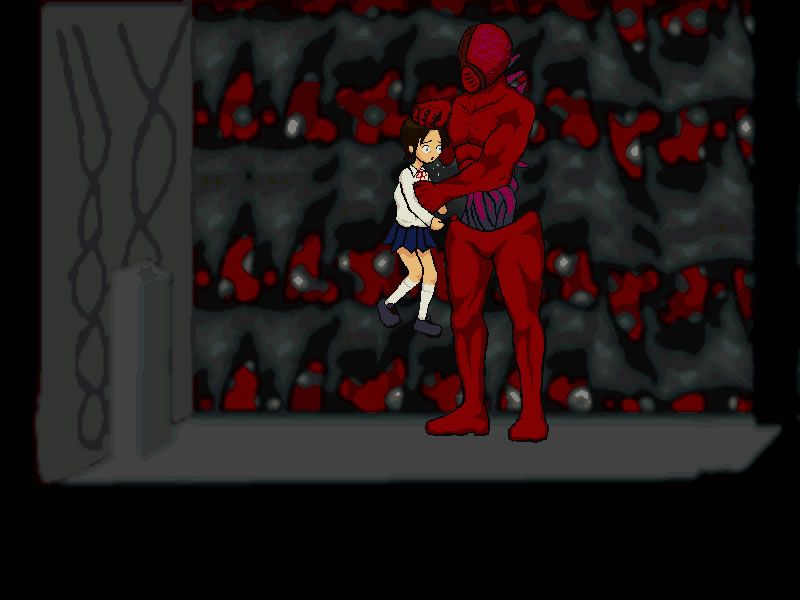
From the moment you take control of Sakuri, “Demonophobia” makes it clear that survival hinges on quick reflexes and smart maneuvering rather than brute strength. The game’s 2D side–scrolling structure unfolds across a series of interlinked screens, creating a labyrinthine environment where each turn can hide a new threat or a vital item. Without a real weapon to speak of, Sakuri must dash past grotesque demons, crouch under traps, or hastily transition to adjacent areas to stay alive.
(HEY YOU!! We hope you enjoy! We try not to run ads. So basically, this is a very expensive hobby running this site. Please consider joining us for updates, forums, and more. Network w/ us to make some cash or friends while retro gaming, and you can win some free retro games for posting. Okay, carry on 👍)
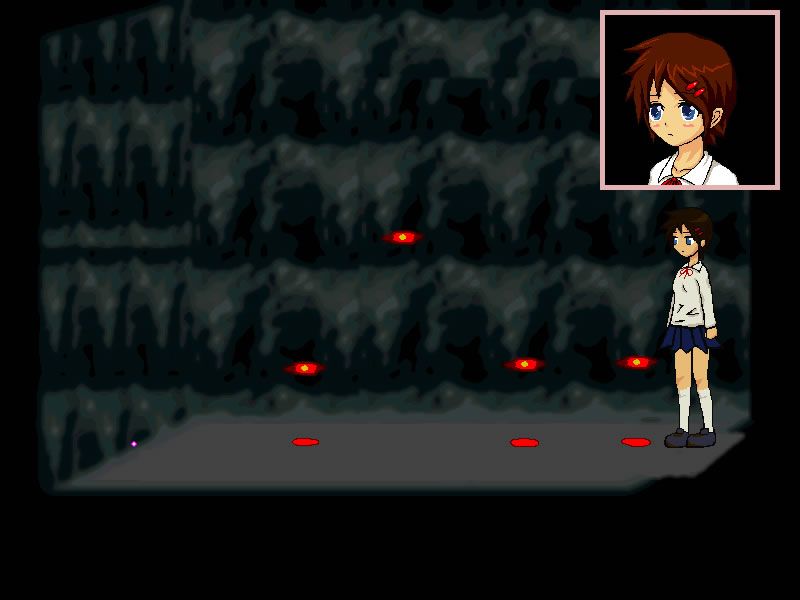
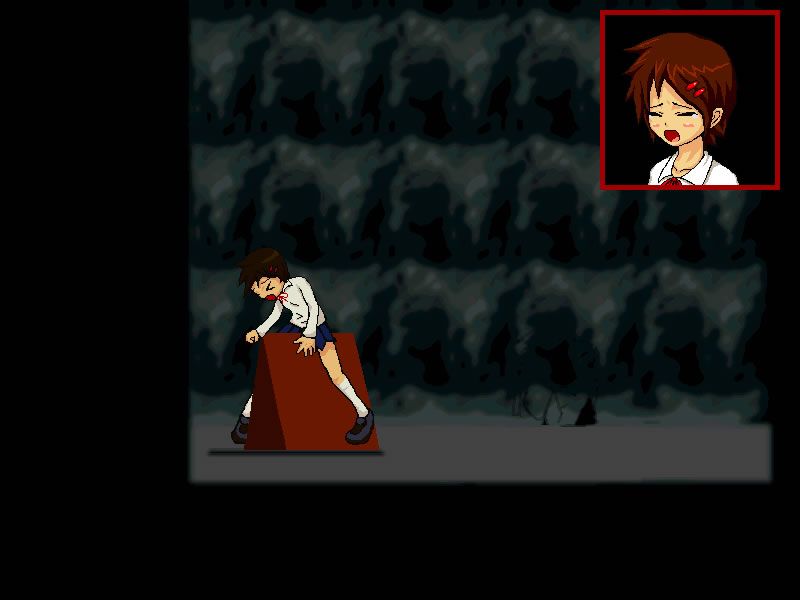
Health is painfully limited, and each hit triggers a visible change in the border color and expression on Sakuri’s character portrait—a constant visual reminder of her precarious state. When her life gauge runs out, the game doesn’t end in a fade to black but instead plunges you into an extended, gruesome death sequence designed purely for shock value. Fortunately (or unfortunately, depending on your tolerance), checkpoints are sprinkled sparingly through the six levels so you won’t have to replay every grisly scene from scratch.
Progression relies heavily on item collection. Scattered throughout the hellish corridors are keys, health restoratives, and a handful of crude weapons—though ammunition is scarce. These artifacts are stored in an inventory bar at the bottom of the screen and can be swapped in an instant, adding a layer of resource management to the frantic dash-and-evade gameplay. Ultimately, each area culminates in a boss encounter that tests both your pattern recognition and reflexes, from hulking demon guards to the final grotesque showdown with Lucifer.
Graphics
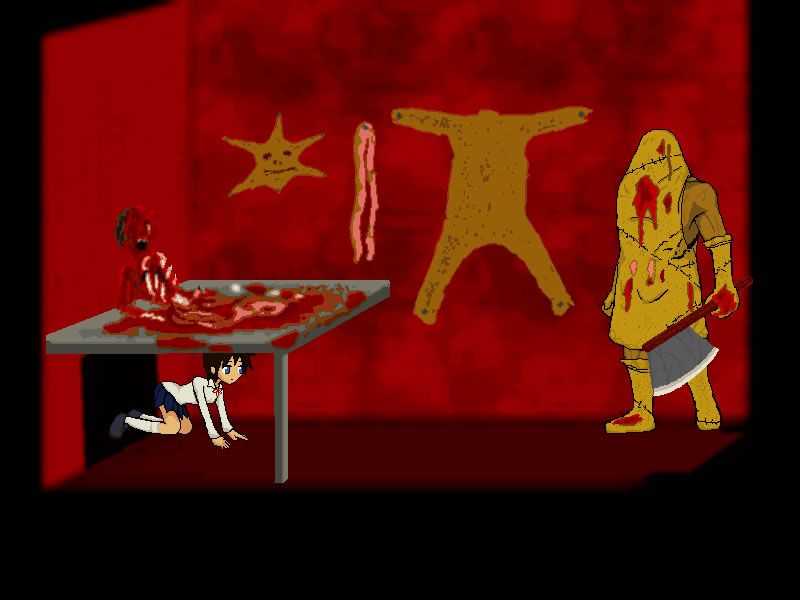
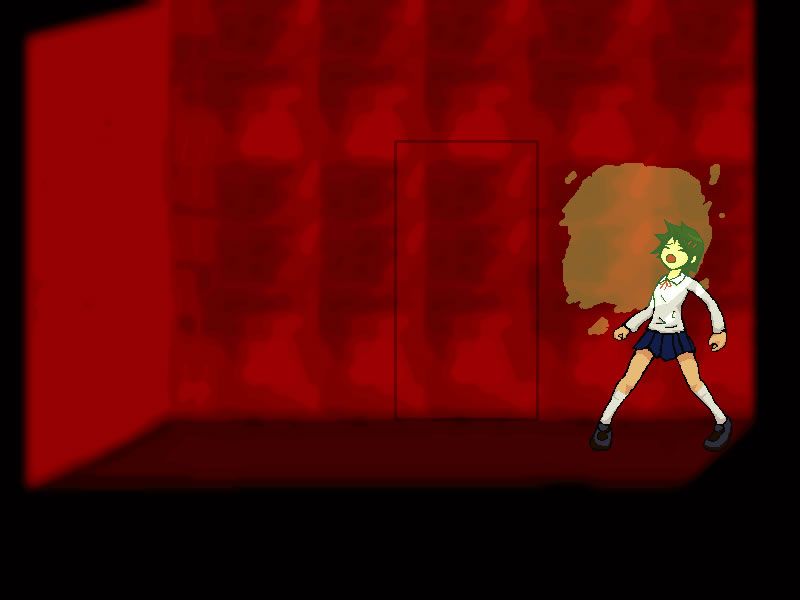
Visually, “Demonophobia” embraces a raw, almost hand–drawn aesthetic that leans into its guro roots. Characters and environments are depicted with a stark, high–contrast palette that emphasizes every torn limb and oozing wound. The crude art style isn’t for the faint of heart: you’ll regularly encounter dismembered bodies, torturous devices, and explicit nudity rendered in disquieting detail.
Sakuri’s portrait frame is a clever UI device. As she takes damage, her expression shifts from determination to panic, and the frame’s tint darkens, reinforcing the sense of peril. Backgrounds range from charred village remnants to dripping hellscapes, each screen offering enough texture and color variation to keep you tense. While there’s no animation flourish or particle effects, the simplicity of the visuals intensifies the shock factor.
Notably absent is any background music or environmental sound. This silence amplifies the impact of each decapitation and scream. Without a soundtrack to cushion the brutality, every horror show feels more immediate and personal. It’s a bold design choice that either heightens immersion or leaves you feeling unnervingly exposed, depending on your tolerance for auditory emptiness.
Story
At its core, “Demonophobia” tells the cautionary tale of Sakuri, a young woman who foolishly treats a demon-summoning ritual as a mere thrill. Written off as childish vengeance against those who wronged her village, the ceremony unexpectedly succeeds, dragging her soul into the fiery depths of hell. What begins as a misguided game of power quickly morphs into a relentless fight for survival.
Though players have direct control over Sakuri’s movements, the narrative voice places you firmly as an observer. You watch her resolve and terror unfold, not as an anonymous adventurer but as a witness to her suffering. Each of the six levels represents a step deeper into her subconscious guilt and desperation, culminating in the final confrontation with Lucifer—here depicted as a butcher-like monstrosity who revels in her torment.
While the plot is linear and minimalistic, it serves its primary function: to justify the onslaught of graphic encounters. There is little dialogue or character development beyond Sakuri’s grim determination, but the sparse storytelling maintains a driving sense of purpose. Your quest is singular and unambiguous: undo the ritual, defeat the demon lords, and rescue whatever remains of your old life.
Overall Experience
“Demonophobia” is unapologetically niche, courting players who crave extreme horror, explicit nudity, and a high shock quotient. It offers no concessions to casual gamers or those seeking balanced pacing; instead, it thrusts you into a relentless loop of panic, punishment, and brief respite. The absence of sound or music accentuates every grisly instant, forcing you to confront the brutality head-on.
Despite its harshness, there is a certain twisted elegance to the experience. The minimalist controls and inventory management keep the focus squarely on survival, while the stark visuals and death sequences ensure that no two moments are easily forgotten. Each level’s boss fight provides a fleeting sense of triumph—followed, inevitably, by the knowledge that greater horrors lie ahead.
In the end, “Demonophobia” won’t be mistaken for mainstream fare. It’s designed for mature audiences (21+) who understand that their purchase is a ticket into a dark, uncompromising world. If you’re intrigued by survival-focused side–scrollers with a heavy emphasis on guro and erotic horror, Sakuri’s descent into hell may be the most intense—and disturbing—journey you undertake. For everyone else, consider this both a warning and a statement of intent: “Demonophobia” does not pull its punches.
Reviews
There are no reviews yet.