 Retro Replay Retro Gaming History, Reviews & Emulation
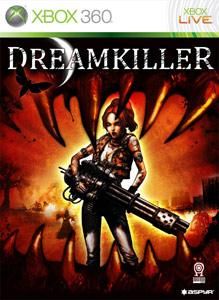


Retro Replay Review
Gameplay
Dreamkiller delivers a straightforward, old-school first-person shooter experience built around Alice Drake’s unique dream-diving premise. From the moment you step into your first patient’s nightmare, the game makes its intentions clear: move forward, fire at anything that moves, and stay alive. There’s no cover system or moral ambiguity to muddy the waters—every encounter is a frantic ballet of dodging projectiles, lining up headshots, and uncovering new corridors filled with twisted abominations.
Weapons in Dreamkiller span a satisfying arsenal of classic FPS staples, from shotguns and machine guns to more exotic implements like flame throwers and monstrous tesla coils. Each weapon feels punchy and distinct, thanks to solid sound design and impactful recoil animations. Ammo is plentiful but never so abundant that you can simply spray-and-pray; resource management becomes a subtle layer of strategy, especially on higher difficulty settings where ammo conservation is essential for survival.
Level design follows a linear path through a dozen nightmarish landscapes, each tied to a specific patient’s deepest fears. While you’ll rarely deviate from the forward trajectory, the pacing remains taut thanks to sudden ambushes, set-piece encounters and occasional miniboss clashes. Checkpoints are reasonably spaced, so you’ll rarely feel punished by lengthy run-backs, yet the game still demands respect for its more aggressive enemy types—rushers that leap from shadows, spitting horrors that erupt from the walls, and hulking behemoths that force you to rethink your usual tactics.
Graphics
Visually, Dreamkiller leans into a surreal, nightmarish palette that makes each dreamscape feel distinct and unsettling. Gothic architecture gives way to warped, alien geometries as you descend deeper into the collective subconscious of Alice’s patients. Color schemes shift dramatically between levels—from the icy blues and grays of a frozen city to the blood-red interiors of a demonic asylum—reinforcing the game’s horror-meets-action identity.
Texture quality sits somewhere between mid-2000s charm and modern polish. While some surfaces feel dated on close inspection, the use of dynamic lighting and particle effects elevates the overall presentation. Fire from your flamethrower dances convincingly across walls, muzzle flashes briefly illuminate cavernous halls, and splatters of gore are rendered with shocking clarity. All of this contributes to a sense of immersion that belies the game’s modest budget origins.
On most contemporary hardware, Dreamkiller runs smoothly at 60 fps, with minimal frame drops even in the most chaotic firefights. Occasional pop-in can occur when new textures load in large, open arenas, but these moments are fleeting and rarely disruptive. Overall, the technical performance reinforces the gameplay’s break-neck pace, ensuring that visual fidelity never comes at the cost of responsiveness.
Story
At the heart of Dreamkiller lies a simple but intriguing narrative hook: Alice Drake, a psychologist with the uncanny ability to physically traverse her patients’ dreams. Rather than relying solely on talk therapy, she wields bullets and flames to excise the very source of mental illness. This premise adds a fresh layer of metaphorical depth to the typical shoot-‘em-up formula, framing enemies as manifestations of phobias and traumas.
Storytelling unfolds primarily through brief cutscenes and text interludes between levels. While the writing occasionally leans on horror clichés—screeching demons, haunted corridors, whispered voices echoing madness—it effectively builds a sense of mounting dread. As Alice progresses through case after case, she begins to notice a sinister common thread tying her patients’ nightmares together, hinting at a larger conspiracy that underpins the entire experience.
Though Dreamkiller’s narrative stops short of deep psychological exploration, it strikes a satisfying balance between action and mystery. You never feel bogged down by exposition, yet there’s enough intrigue to keep you hooked until the credits roll. Fans of straightforward, lore-light shooters will appreciate how the story enhances the gameplay without demanding constant attention or pulling you out of the action.
Overall Experience
Dreamkiller is unapologetically an old-school shooter in the best possible sense. It eschews modern conventions like regenerating health or complex cover mechanics, instead favoring unrelenting combat and fast movement. For players craving the adrenaline rush of classic Painkiller or Serious Sam, this game delivers punchy satisfaction with every monster that falls to spray of bullets or a gout of flame.
With roughly 8–10 hours of content on a standard playthrough—and multiple difficulty levels to tackle—Dreamkiller offers decent value for fans of corridor shooters. Its linear structure means you won’t get lost in sprawling open-world segments, but you will revisit familiar ground if you aim for 100 percent completion or hidden secrets tucked away in each level’s darkest corners.
Ultimately, Dreamkiller succeeds by knowing precisely what it wants to be: a throwback horror-FPS that blends visceral combat with nightmarish art design. It may not reinvent the wheel, but it polishes the old formula until it shines, making it a worthy addition to any shooter enthusiast’s library. Potential buyers who appreciate straightforward, action-packed gameplay and a dash of psychological horror will find plenty to love here.



Reviews
There are no reviews yet.