 Retro Replay Retro Replay gaming reviews, news, emulation, geek stuff and more!
Retro Replay Review
Gameplay
Dreamlords offers a unique fusion of browser-based empire management and real-time 3D RTS skirmishes, creating a multi-layered gameplay loop that caters to both strategy veterans and casual MMO players. The web interface serves as your campaign map, where you handle resource allocation, city upgrades, and long-term strategic planning. Here, decisions about infrastructure, troop training, and diplomatic trades on the in-game stock market feel weighty, as they directly impact the strength and prosperity of your Patria.
(HEY YOU!! We hope you enjoy! We try not to run ads. So basically, this is a very expensive hobby running this site. Please consider joining us for updates, forums, and more. Network w/ us to make some cash or friends while retro gaming, and you can win some free retro games for posting. Okay, carry on 👍)
When the stakes are highest, you transition seamlessly to the desktop client to lead your forces in real-time battles. These missions range from small-scale spirit quests—where you control a lone avatar in a third-person perspective—to full-scale RTS clashes against other Dreamlords. This constant dance between macro decision-making and micro battlefield control keeps the gameplay fresh, but it can introduce friction for those unaccustomed to switching interfaces mid-session.
One of Dreamlords’ standout features is its race system: the balanced Covenant, management-focused Nihilim, and combat-oriented Thûl. This triptych ensures that your playstyle—be it diplomatic trader, methodical planner, or warmonger—finds a home. Each race’s special units and bonuses come into play during PvP battles, lending depth to every alliance and conflict across the shared universe.
However, Dreamlords is not without its learning curve. New players must absorb a wealth of web-based menus, resource graphs, and RTS controls all at once. The automatic assignment to a Convergence guild helps newcomers find allies early on, though switching allegiances later requires effort. Overall, the gameplay loop is highly rewarding once mastered, blending turn-based empire building with action-packed tactical battles in a sprawling multiplayer setting.
Graphics
Visually, Dreamlords strikes a fine balance between functionality and aesthetic appeal. The browser portion of the game prioritizes clarity over flash, with clean icons, readable data charts, and a muted color palette that makes empire management intuitive. While this interface won’t win awards for cutting-edge design, its straightforward presentation ensures you’re never lost amid menus and statistics.
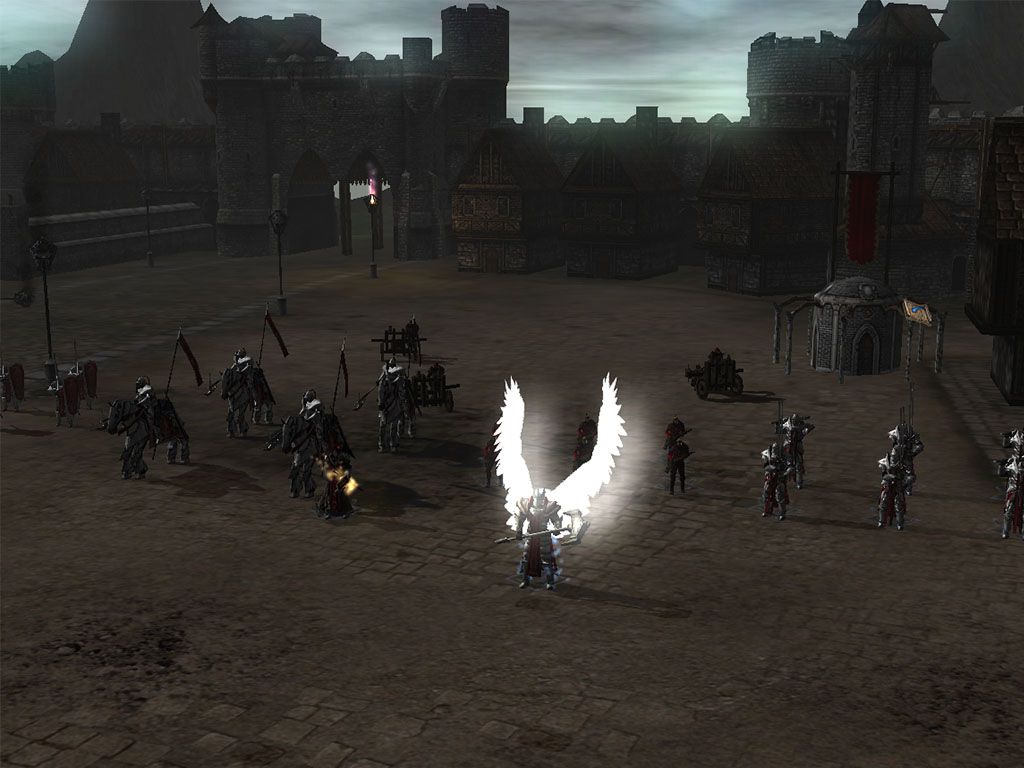
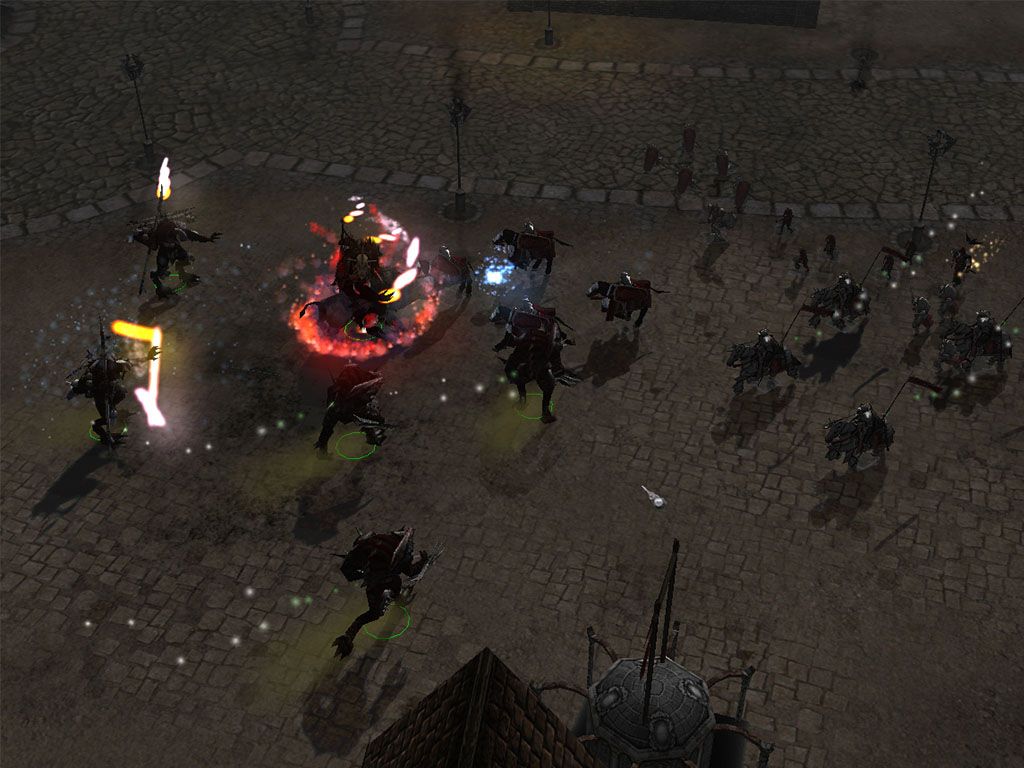
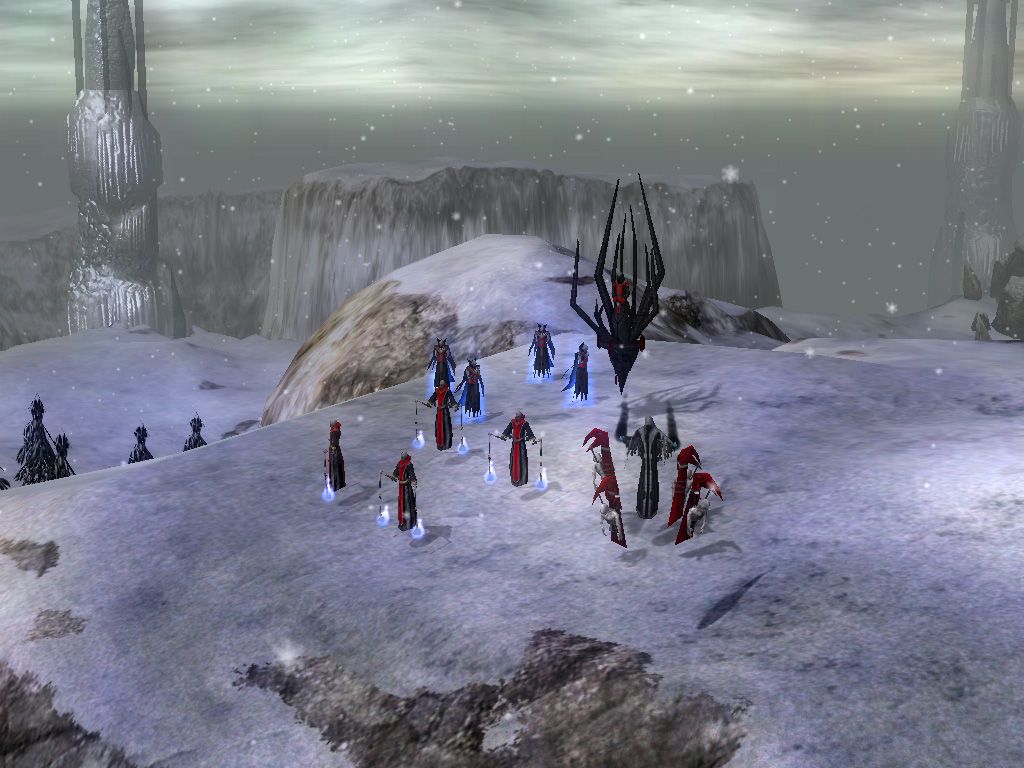
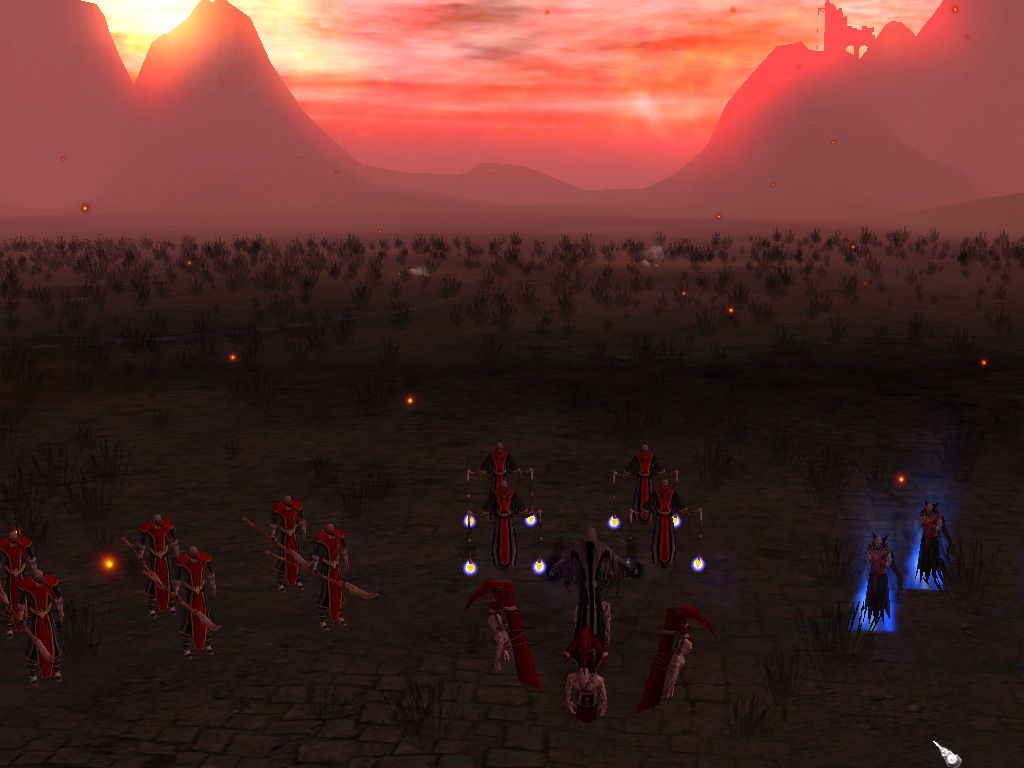
The real-time 3D client fares better in terms of visual flair. Terrains are richly detailed, from windswept plains to fortress-lined hills, and unit models are diverse enough to distinguish Covenant knights from Nihilim engineers or Thûl berserkers at a glance. Spell effects and particle animations, especially during large-scale engagements, add a satisfying layer of spectacle to each conquest.
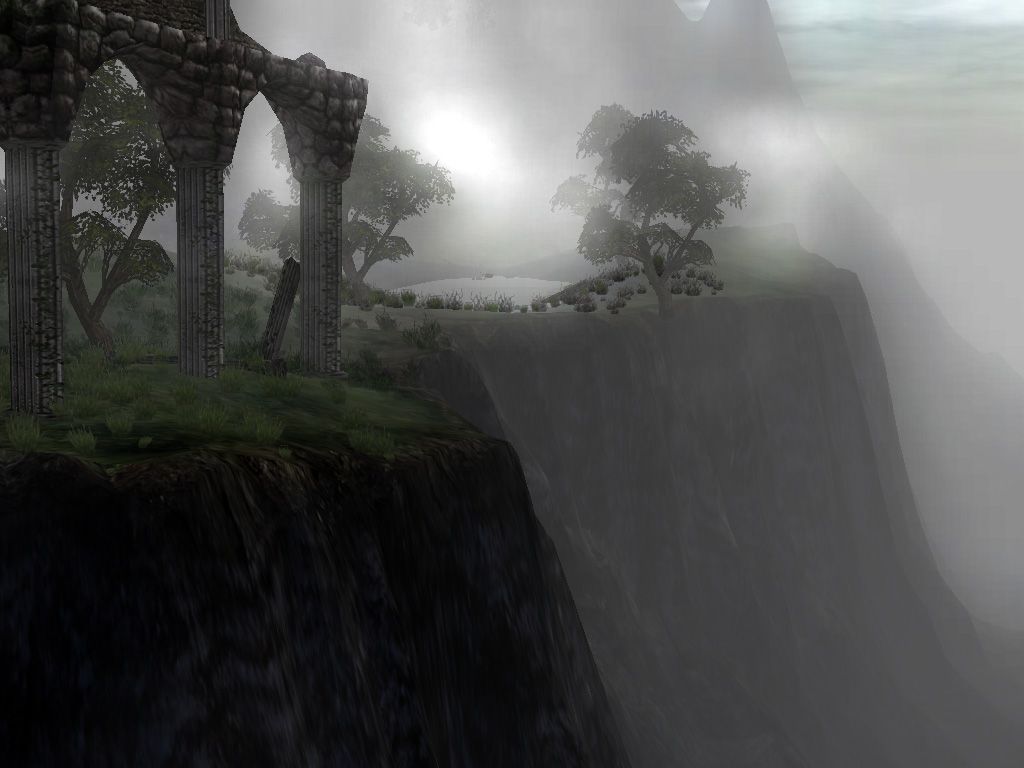
Lighting and environmental effects—such as drifting fog or dynamic shadows—elevate the battlefield experience, though the overall graphics engine can feel dated compared to current-generation RTS titles. Performance remains stable on mid-range systems, but you may notice lower frame rates when dozens of spellcasters or siege engines converge in a single skirmish.
Customizability is another plus: you can tweak graphic settings to favor high-definition textures or better performance, depending on your hardware. The UI in the client echoes the web interface’s simplicity, with drag-and-drop unit queuing and context-sensitive menus that help bridge the gap between empire management and battlefield command.
Story
Dreamlords unfolds its narrative through the lens of cosmic mythology: the Dreamer, whose very consciousness fuels the universe, spawns powerful avatars known as Dreamlords. Each Dreamlord inherits the destiny of a Patria—a fragment of a tired old world ravaged by chaos and fragmentation. This founding myth gives weight to every territorial expansion and diplomatic maneuver you make.
Despite its grand premise, the storyline is largely emergent, shaped by the interactions of players, guilds, and shifting alliances. Quests and missions sprinkle in scripted lore—often delivered through ghostly spirit-quests in which you explore ancient ruins and recover lost artifacts—but the true drama comes from player-driven conflicts and the race for dominance across shared continents.
The three playable races each have their own cultural backstories and motivations. Covenanters revere balance and coalition-building; Nihilim prize order and resource efficiency; Thûl champions embrace combat proficiency above all else. These distinctions feed into small narrative arcs during RTS missions, where you might defend a Nihilim supply convoy or lead a Thûl raiding party deep into enemy territory.
While Dreamlords doesn’t feature a linear single-player campaign, its open-ended world feels alive with ongoing events—seasonal tournaments, emergent world bosses, and Convergence-versus-Convergence skirmishes. If you enjoy forging your own legends rather than following a fixed storyline, the game’s living narrative framework will keep you invested for the long haul.
Overall Experience
Dreamlords’ greatest strength lies in its ambitious melding of genres. The continued interplay between browser-based empire tactics and client-side real-time battles gives players a sense of ownership over every macro decision and micro engagement. Few MMOGs offer such a tight coupling of long-term strategy and immediate battlefield action.
The community dimension further enriches the experience. Being assigned to a Convergence guild at the outset sparks early camaraderie—experienced players often mentor newcomers in trading techniques, city planning, or advanced RTS maneuvers. The political landscape within each guild can be as compelling as the battles you wage, creating a layered social strategy that extends beyond simple alliances.
On the flip side, the need to purchase a starter package and subscribe monthly may deter budget-conscious gamers. Additionally, the interface split between web and client can feel disjointed if you lack a stable internet connection. While the graphics engine shows its age in places, the strategic depth more than compensates for any visual shortcomings.
Ultimately, Dreamlords rewards those willing to invest time in mastering its systems. If you’re drawn to empire-building, enjoy hands-on RTS combat, and relish the dynamics of a persistent multiplayer world, this hybrid MMOG offers a compelling journey. The sense of progression—from fledgling Dreamlord to a force shaping the destiny of entire continents—makes Dreamlords a memorable strategy experience worth exploring.


Reviews
There are no reviews yet.