 Retro Replay Retro Replay gaming reviews, news, emulation, geek stuff and more!
Retro Replay Review
Gameplay
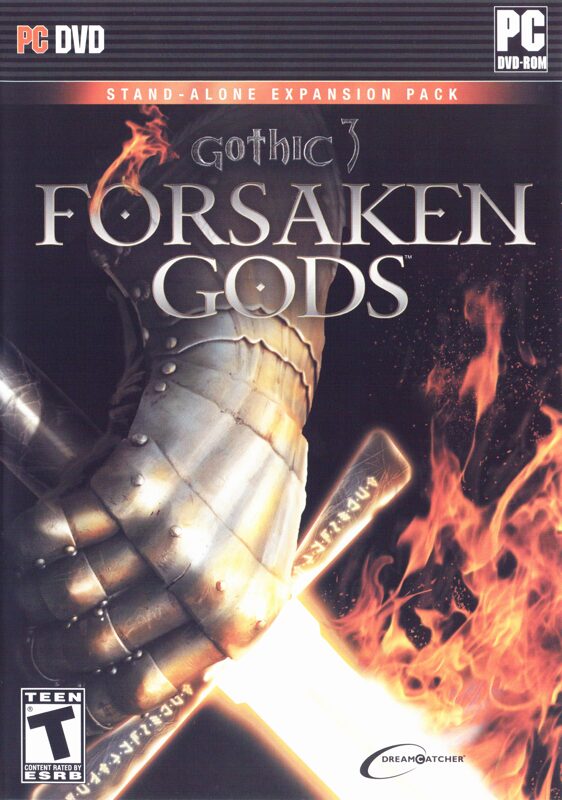
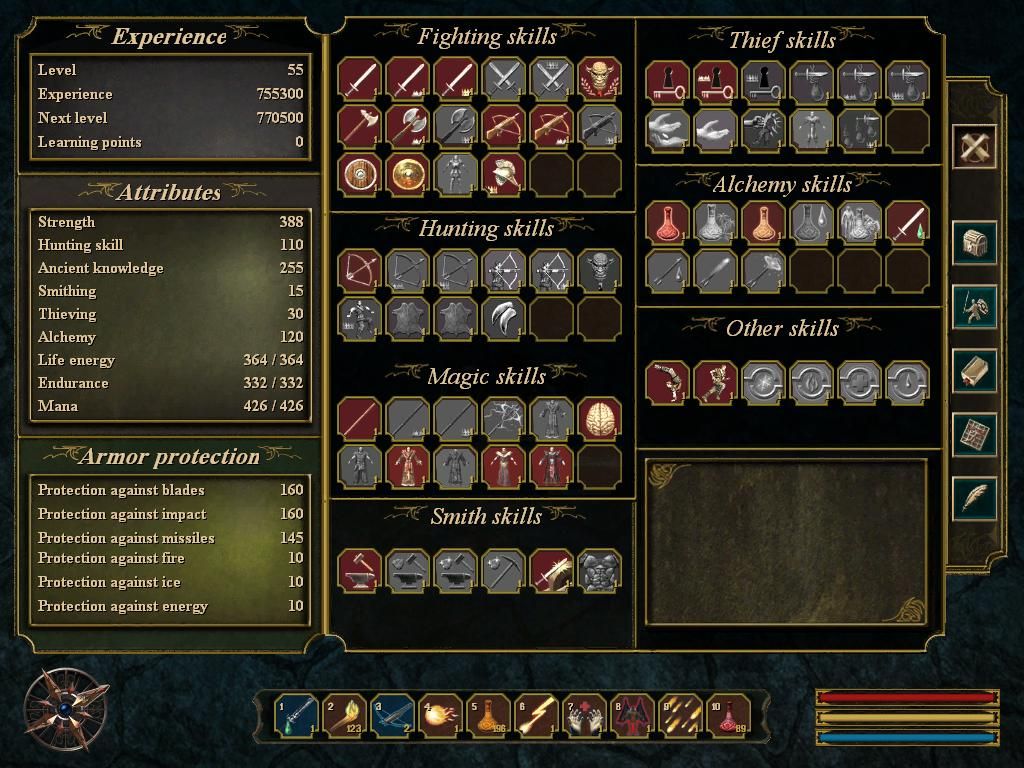
Gothic 3: Forsaken Gods retains the core over-the-shoulder, open-world action RPG mechanics familiar to fans of the series. You’ll still pick up quests from NPCs scattered across villages and wilderness camps, venture into dungeons, slay creatures and bandits, then return for your rewards. Experience gained through these tasks fuels your progression and unlocks talent points, so you can customize your hero with abilities ranging from improved forging to dual-wielding swordplay.
(HEY YOU!! We hope you enjoy! We try not to run ads. So basically, this is a very expensive hobby running this site. Please consider joining us for updates, forums, and more. Network w/ us to make some cash or friends while retro gaming, and you can win some free retro games for posting. Okay, carry on 👍)
The leveling system remains intact: invest talent points into categories like melee combat, ranged weapons or crafting. Gathering resources and brewing potions are still vital, and the game encourages experimentation with armor sets, swords, bows and even schematics you discover in hidden crypts. Side quests supplement the main story, offering skill-boosting challenges and unique loot—though some of these optional missions suffer from unclear objectives or buggy markers.
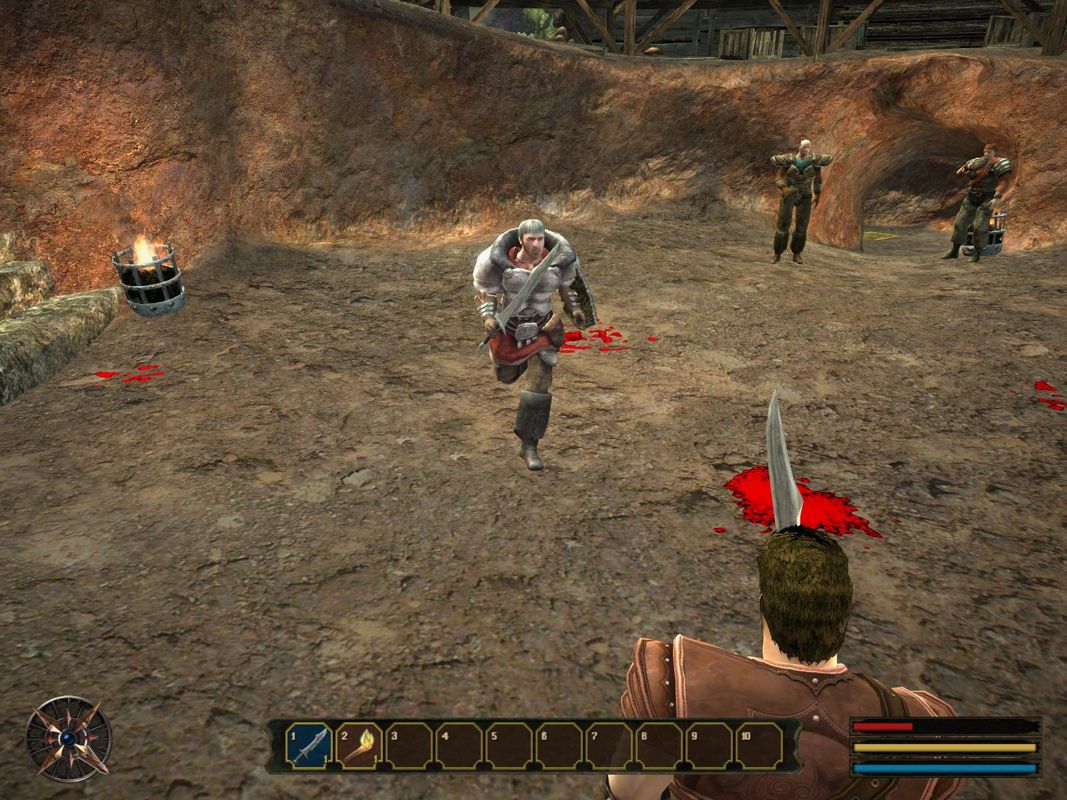
Where Forsaken Gods truly differentiates itself is in its revamped combat system. A new parry mechanic forces you to time your blocks carefully, while a stamina gauge governs every swing and dodge—run out of stamina and you’ll stand defenseless. A quick-step “shooter-style” strafe move grants a burst of mobility, letting you evade heavy blows or reposition for a counterattack. This added layer of tactical depth keeps even familiar battles feeling fresh.
Graphics
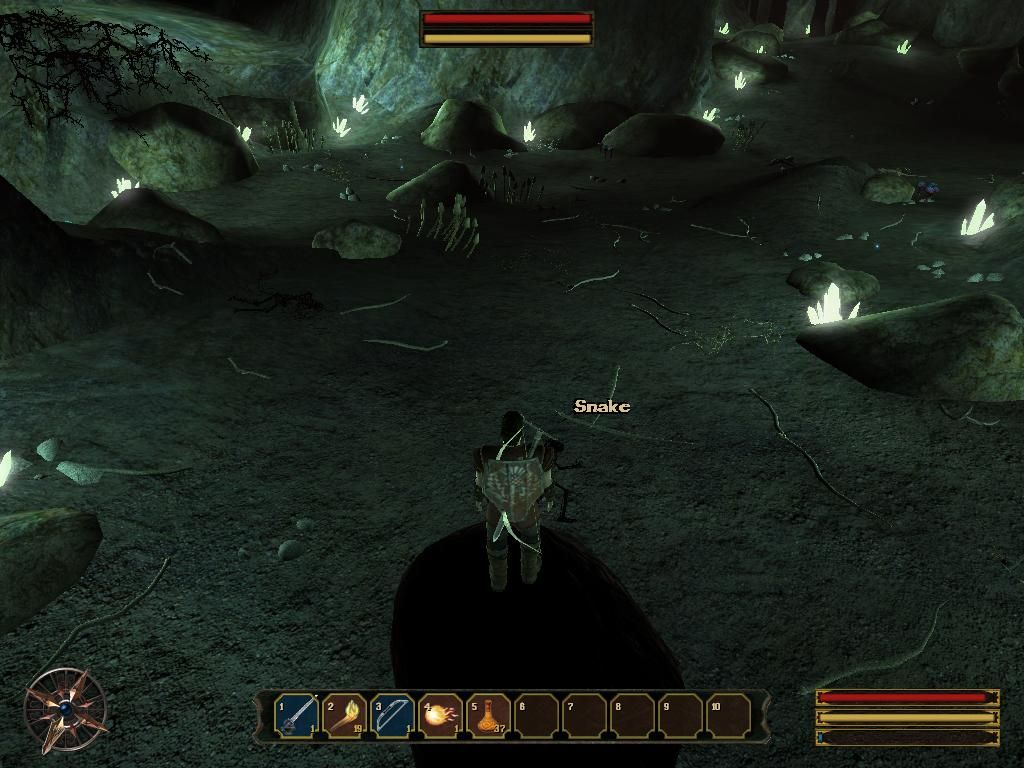
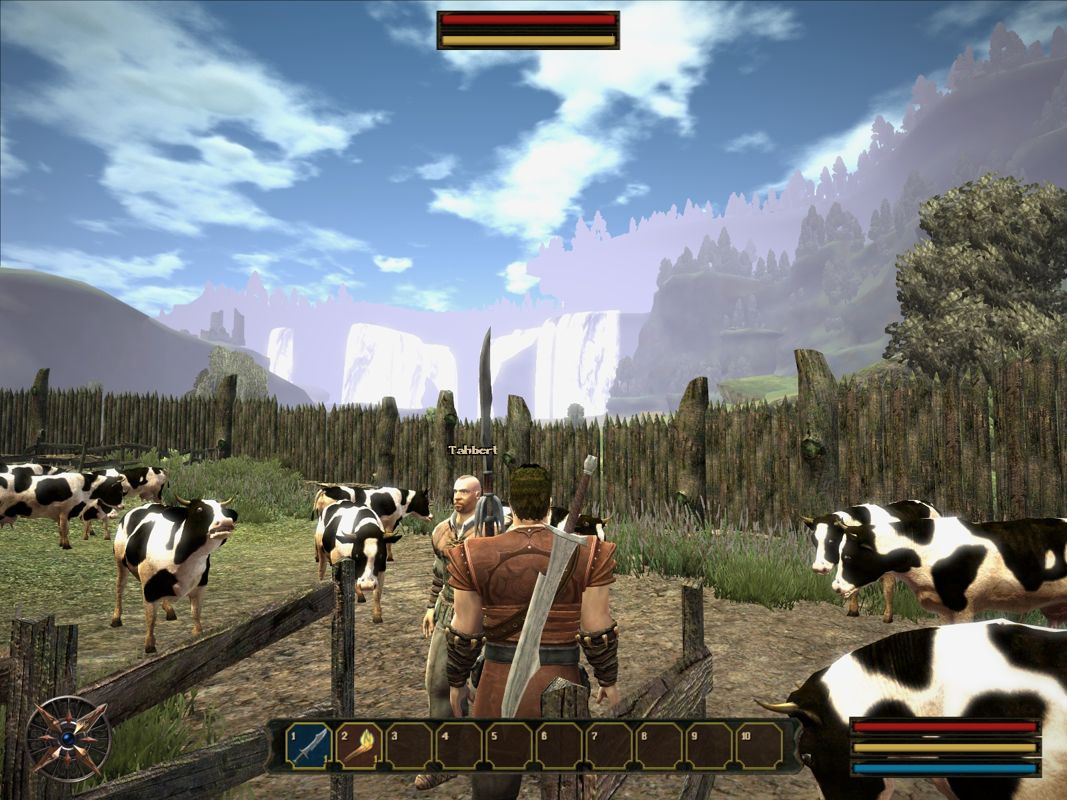
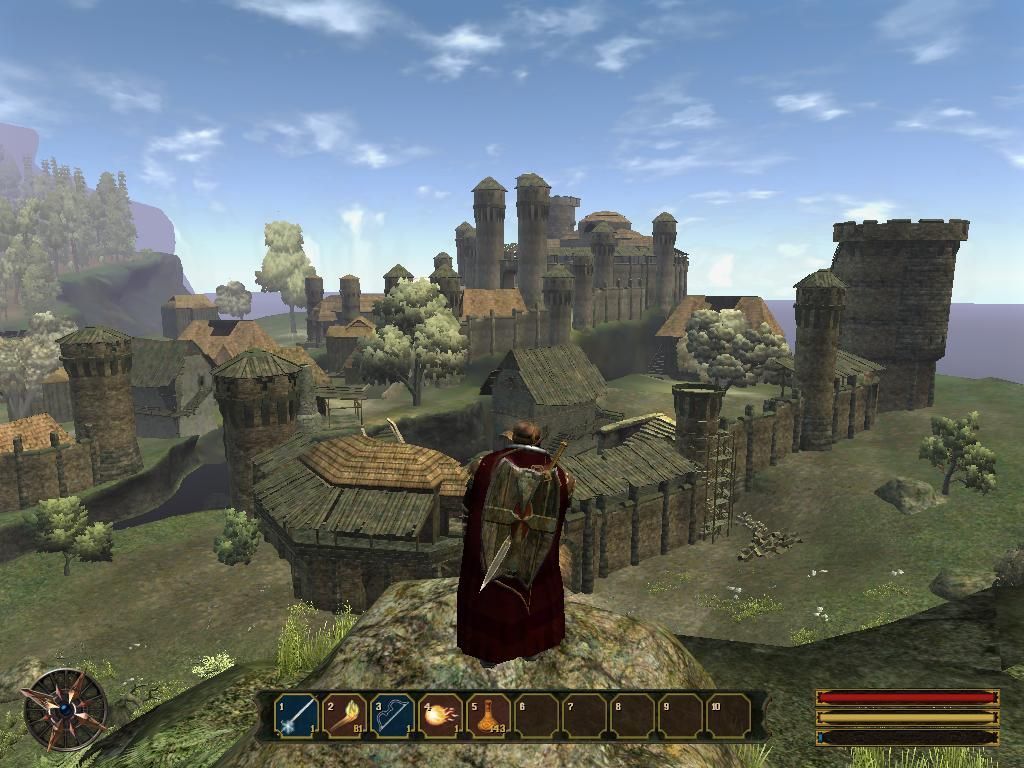
Built on the same engine as Gothic 3, Forsaken Gods offers picturesque vistas of the Silden region, from moss-covered ruins to windswept plateaus. Environmental textures—rock faces, tall grasses and scavenged campfires—retain the gritty, lived-in aesthetic that defines the series. Though the overall map is smaller, the art direction ensures each area has its own personality, whether it’s fog-shrouded forests or the scorched earth around Orcish forward posts.
Character models and armor sets feel serviceable but dated by modern standards: polygon counts are modest and texture resolution can look blurry up close. Facial animations remain stiff, and many NPCs reuse the same idle stances from the original Gothic 3. Still, the muted color palette and weather effects (driving rain, drifting snow) create an immersive atmosphere, especially during dawn-and-dusk cycles.
Special effects like torchlight glow, magic particle bursts and volumetric fog add to the mood, even if pop-in and occasional clipping issues persist. Performance on mid-range PCs is generally stable thanks to the reduced world size, and load times are shorter—making exploration smoother than in the base game.
Story
Forsaken Gods picks up immediately after Gothic 3’s finale, in which both Xardas and the nameless hero vanished through a mystic portal. With the gods Innos and Beliar destroyed, Xardas foresaw a thousand years of peace—but instead a new conflict erupts. Gorn, ruler of Gotha in the north, amasses a brutal army to invade the kingdom of Thorus, lord of the Orcs in Trelis. Thorus retaliates, targeting caravans and outposts around Geldern, while Lee in the east sits on the sidelines and the western lords, Inog and Anog, bide their time around Silden.
The hero’s return is as abrupt as it is unwelcome: after clashing with Xardas in another realm, you awaken in a Silden bed stripped of your former powers and under the wary gaze of Anog. From there, the game sends you on a path of political intrigue, forcing you to weigh alliances between embattled humans and Orcs. Every decision—whether to aid Gorn’s conquest or bolster Thorus’s defenses—has narrative consequences that ripple through the final act.
Dialogue and quest text echo the brooding tone of the Gothic universe, though some conversations feel overly expository. Voice acting is serviceable, if occasionally stilted, and a few key quest descriptions lack clarity. Despite these issues, Forsaken Gods delivers a compelling extension of the original story, deepening the mythos of Myrtana and presenting moral dilemmas that keep you invested until the last cutscene.
Overall Experience
Forsaken Gods offers a tightly focused add-on that will resonate most with die-hard Gothic fans eager to see what happens after the fall of the gods. The compact world encourages quicker travel between quest hubs and a more streamlined narrative, but newcomers may find the reduced map less inviting than Gothic 3’s vast wilderness.
The revamped combat system and stamina-based tactics breathe new life into encounters with goblins, orcs and bandits. However, the game isn’t without rough edges: errant quest triggers, unresponsive NPCs and occasional crashes can interrupt the flow. Patience (and regular saves) go a long way toward smoothing over these technical hiccups.
Ultimately, Gothic 3: Forsaken Gods is a worthy standalone chapter for those already invested in the franchise. It may not reach the polish of more recent RPGs, but its rich lore, branching allegiances and overhauled combat make it an engaging purchase for players seeking a challenging medieval fantasy adventure.


Reviews
There are no reviews yet.