 Retro Replay Retro Replay gaming reviews, news, emulation, geek stuff and more!
Retro Replay Review
Gameplay
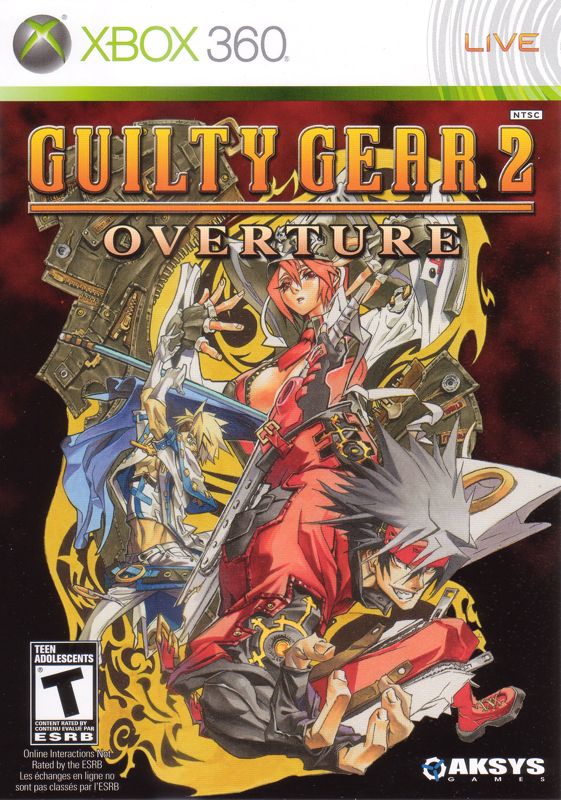
Guilty Gear 2: Overture takes a bold step away from the franchise’s traditional arcade-style brawling, embracing a hack-and-slash approach that blends fast-paced melee combat with light strategic elements. Players control Sol Badguy and his companion Sin, each armed with distinctive weapon sets and special abilities. Combos flow smoothly from horizontal slashes to overhead smashes, and chaining moves into devastating “Overdrive” attacks feels satisfying, especially when you send crowds of mechanical foes flying.
(HEY YOU!! We hope you enjoy! We try not to run ads. So basically, this is a very expensive hobby running this site. Please consider joining us for updates, forums, and more. Network w/ us to make some cash or friends while retro gaming, and you can win some free retro games for posting. Okay, carry on 👍)
What truly sets Overture apart is the introduction of “Servants,” AI-controlled troops the player summons using Mana. These ranged or melee units—ranging from foot soldiers to spellcasters—add a layer of tactical depth: you must decide when to spend Mana on more powerful servants or save it for unlocking new items and abilities. Managing your Mana gauge becomes crucial in later stages, where enemy Servant hordes threaten to overwhelm you unless you deploy reinforcements at just the right time.
The game’s mission structure encourages experimentation with different unit compositions. Some levels focus on clearing waves of enemies, while others assign objectives like escorting allied guild masters or capturing strategic points. These varied objectives help break up the hack-and-slash rhythm, though a few missions can feel repetitive if you rely on the same servant lineup throughout.
Multiplayer options in Overture are surprisingly robust. Up to four players can join online matches, choosing between team battles or free-for-all deathmatches. For local sessions, two players can square off in split-screen duels. While online connectivity can be spotty at peak times, the ability to pit different Servant strategies against human opponents adds considerable replay value.
Graphics
Overture’s visual presentation marks a stark departure from the series’ signature 2D art, opting instead for full 3D environments and character models. The result is a semi-realistic, industrial fantasy world filled with crumbling fortresses, winding mountain paths, and ornate castle interiors. While the geometry can feel blocky at times, the richly detailed textures and dynamic lighting work together to create an immersive battlefield atmosphere.
Character animations are generally smooth and impactful, especially when executing special moves that trigger slow-motion camera effects. Enemy designs vary from clockwork automatons to mutated Gears, each animated with mechanical precision or grotesque fluidity. Unfortunately, large-scale battles with dozens of Servants onscreen can cause occasional frame-rate dips, particularly on older hardware, slightly undermining the game’s otherwise polished presentation.
The user interface merits praise for clarity and responsiveness. HUD elements display Mana, Servant counts, and health bars without cluttering the screen, and menus are laid out logically for quick loadout adjustments. Summoning portals and spell effects burst to life with glowing runes and particle effects, lending a satisfying punch to each strategic decision.
Art direction leans heavily on a muted, metallic color palette that suits the war-torn world of Illyuria. Occasional bursts of vibrant energy—like the fiery glow of Sol’s dragon-shaped revolver or the electric shards of enemy magic—create compelling visual contrasts, ensuring critical moments stand out amidst the carnage.
Story
Set five years after the original Guilty Gear, Overture’s narrative thrusts Sol Badguy and Sin into Illyuria, where King Ky Kiske is baffled by the sudden disappearance of Gears imprisoned after the last war. A mysterious enemy assault plunges the kingdom into chaos, sending Ky on a desperate quest to locate and reunite with the two warriors best suited to recover the missing Gears.
The story unfolds through a series of mission briefings and in-game cutscenes. Sol’s sardonic wit contrasts nicely with Sin’s silent intensity, though the dialogue occasionally feels stilted—especially when moving essential exposition forward. Ky Kiske’s earnest leadership and concern for his realm provide a solid emotional anchor, but several supporting characters remain underdeveloped, leaving some plot threads dangling.
Despite these narrative hiccups, Overture captivates with its central mystery: Who is orchestrating the theft of the Gears, and to what end? Twists involving hidden allegiances and ancient conspiracies gradually come to light, motivating players to press on through tougher battles. Fans of the Guilty Gear universe will appreciate the callbacks and character cameos, though newcomers may find themselves needing to revisit earlier titles to grasp all the nuances.
Voice acting is serviceable but uneven. Sol’s gravelly tones and Ky’s commanding dialogue carry conviction, yet a few NPCs deliver lines with less enthusiasm, making certain story sequences feel flat. Subtitles help bridge the gap, ensuring you never miss critical plot points or unit commands during gameplay.
Overall Experience
Guilty Gear 2: Overture is an ambitious reinvention for the series, trading button-mashing brawls for a hybrid of action and light strategy. Its strengths lie in responsive combat mechanics, varied mission objectives, and the novel Servant system that keeps battles fresh. While some missions can feel repetitive and occasional performance hitches emerge during large fights, the core gameplay loop remains engaging.
The shift to 3D graphics yields a richly detailed world, albeit with sporadic frame-rate drops on older consoles. A clear, unobtrusive HUD and strong art direction help maintain immersion, even if the story occasionally stumbles in pacing and character development. Series veterans will enjoy the continuations of familiar arcs, while newcomers should be prepared for a narrative that rewards prior Guilty Gear knowledge.
Replay value is high thanks to multiplayer skirmishes and unlockable abilities that encourage multiple playthroughs. Experimenting with different servant rosters and Mana-based upgrades ensures new strategies remain to be discovered long after the main campaign ends. Although the learning curve can feel steep at first—especially for players unfamiliar with real-time strategy elements—patience pays off.
Ultimately, Guilty Gear 2: Overture delivers a unique blend of frenetic action and tactical decision-making. It may divide longtime fans, but those open to change will find a robust, satisfying experience that expands the Guilty Gear universe in unexpected ways. For buyers seeking combat variety and multiplayer longevity, Overture is a worthy addition to any action-RPG library.


Reviews
There are no reviews yet.