 Retro Replay Retro Replay gaming reviews, news, emulation, geek stuff and more!

Retro Replay Review
Gameplay
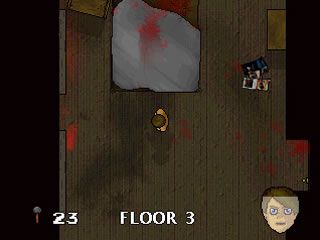
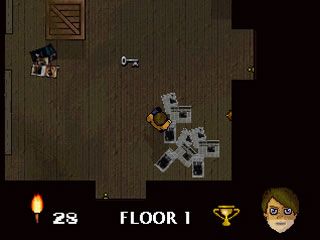
Haunted House delivers a tense and methodical gameplay loop that centers around exploration, resource management, and the ever-present threat of supernatural entities. Players navigate a 24-room mansion spread across four floors, each shrouded in darkness until illuminated by matches or light switches. The limited field of vision creates a constant sense of anticipation, forcing you to weigh each step carefully as you hunt for urn fragments scattered at random locations each playthrough.
(HEY YOU!! We hope you enjoy! We try not to run ads. So basically, this is a very expensive hobby running this site. Please consider joining us for updates, forums, and more. Network w/ us to make some cash or friends while retro gaming, and you can win some free retro games for posting. Okay, carry on 👍)
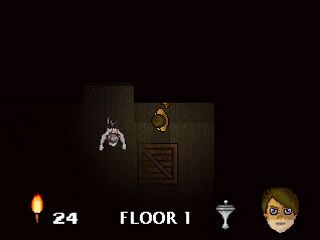
The inclusion of a scare meter adds a layer of vulnerability, as contact with ghosts, giant spiders, or bats increments your fright level. Accumulating nine scares leads to a game over, encouraging cautious encounters rather than reckless confrontation. To balance this, you can wield a scepter to become temporarily invisible, allowing you to bypass enemies—but you must manage your inventory wisely, since only one item can be carried at a time. Deciding between matches, keys, or the scepter at critical moments keeps tension high and strategies fluid.
Light switches are a welcome modern convenience that brighten rooms instantly, making navigation smoother for those who prefer a less punishing experience. Retro purists, however, can disable these switches to replicate the original’s darkness-based challenge. This togglable feature respects both nostalgia and accessibility, encouraging replayability as you adjust the difficulty to suit your mood or expertise.
The scoring system based on matches used, number of scares, and completion time incentivizes mastery. Speedrunners will find satisfaction in minimizing both match usage and scares, while casual players can focus on thorough exploration. This multifaceted scoring encourages diverse playstyles and ensures that each session feels fresh, whether you’re aiming for a low-fright run or simply soaking in the atmosphere.
Graphics
Haunted House’s visual overhaul brings the creaking corridors of Zacharey Graves’s estate to life with pixel-art charm and moody color palettes. The top-down perspective is detailed enough to distinguish key items, creatures, and architectural features, yet still retains a retro sensibility that pays homage to the Atari 2600 aesthetic. Shadows and light interplay dynamically when matches flicker or switches flip, heightening the sense of immersion.
Character animations are simplistic but effective, with the protagonist’s cautious gait and the jittery movements of bats conveying palpable unease. Enemies emerge from the gloom with subtle effects—ghostly wisps or spider silhouettes—that belie their threatening potential. While not cutting-edge by modern AAA standards, the art style proves that atmosphere hinges more on design choices than raw polygon counts.
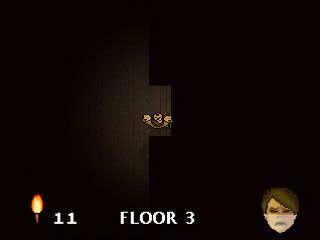
Environmental details such as cobwebs, broken floorboards, and dusty relics pepper each room, lending credibility to the mansion’s haunted reputation. Subtle sound cues—creaking doors, distant whispers, the flutter of wings—augment the visuals, though the primary focus here is on how the game uses light and darkness as its central graphical gimmick. When the lights go out, you truly feel blind and vulnerable, reinforcing every jump scare.
For players willing to tweak settings, disabling the light-switch feature plunges you into pitch-black rooms where only your match’s tiny flame reveals a sliver of your surroundings. This nod to the original game’s oppressive obscurity is a triumph of design, reminding us that sometimes the fear of what you cannot see is more effective than any high-definition rendering.
Story
At its core, Haunted House weaves a minimalist narrative that thrives on suggestion rather than exposition. You are an unnamed explorer tasked with retrieving a secret urn from the infamous mansion of Zacharey Graves, a figure only mentioned in creaking floorboard texts and scattered notes. The sparse lore—fragmented diary entries, faded newspaper clippings—provides enough context to pique curiosity without bogging down the gameplay.
The sense of place emerges organically as you piece together the backstory, room by room. Each floor reveals new hints about Graves’s obsession with the supernatural and his ultimate descent into madness. The storytelling technique reminds players that haunted mansions are as much about the atmosphere they conjure as they are about explicit plot twists, letting imagination fill in the gaps.
While there is no dialogue or cutscene extravaganza, the environmental storytelling is sharp and deliberate. Noir-style text overlays, cryptic inscriptions on urn fragments, and occasional ghostly apparitions convey the mansion’s tragic history. This approach mirrors the original Atari experience, reframing it for a modern audience that appreciates subtlety over cinematic flourishes.
The randomness of urn placement also adds a fresh storytelling dimension to each playthrough. You never know which wing of the house will unfold the next narrative clue, keeping you engaged not just with survival, but with the urge to unearth the full tale of Graves’s ill-fated experiments. It’s a clever way to ensure that the story feels living and unpredictable.
Overall Experience
Haunted House strikes a gratifying balance between nostalgic homage and contemporary design sensibility. The blend of darkness-driven tension, inventory-based puzzle mechanics, and replayable scoring makes each venture into the mansion feel meaningful. Whether you’re a longtime fan of the Atari classic or a newcomer searching for an atmospheric indie gem, there’s substance and challenge here to satisfy a wide range of players.
The fanmade nature of the remake shines through in its passion for detail and respect for the source material. Developers have thoughtfully expanded on the original premise without overcomplicating it, resulting in a lean, focused experience that keeps the pacing tight and the dread palpable. The toggleable light switches, randomized urn fragments, and varied difficulty settings ensure both beginners and veterans can find their preferred sweet spot.
Visually charming and mechanically tense, Haunted House shows that less can indeed be more when crafting a compelling horror adventure. The project’s modest scope is its strength: it never overstays its welcome, clocking in at an average of one to two hours per run. This length is perfect for spine-tingling binge sessions or quick solo playthroughs late at night.
In sum, Haunted House is a masterclass in retro revival, delivering a satisfyingly eerie journey through Graves’s decaying manor. Its combination of tight gameplay, evocative graphics, and minimalistic storytelling coalesce into an experience that feels both familiar and refreshingly original. For those seeking a taste of old-school horror with modern polish, this haunted odyssey is not to be missed.


Reviews
There are no reviews yet.