 Retro Replay Retro Replay gaming reviews, news, emulation, geek stuff and more!


Retro Replay Review
Gameplay
Hawaiian Explorer: Lost Island builds on the hidden object mechanics of its predecessor with a series of vibrant, tropical scenes that challenge players to locate items against tight time constraints. Each location grants only ten minutes to find the objects listed at the top of the screen, injecting a sense of urgency that keeps you on your toes. Misclicks penalize you by deducting fifteen seconds, while each of the three hints costs forty-five seconds—forcing you to balance careful searching with quick decision-making.
(HEY YOU!! We hope you enjoy! We try not to run ads. So basically, this is a very expensive hobby running this site. Please consider joining us for updates, forums, and more. Network w/ us to make some cash or friends while retro gaming, and you can win some free retro games for posting. Okay, carry on 👍)
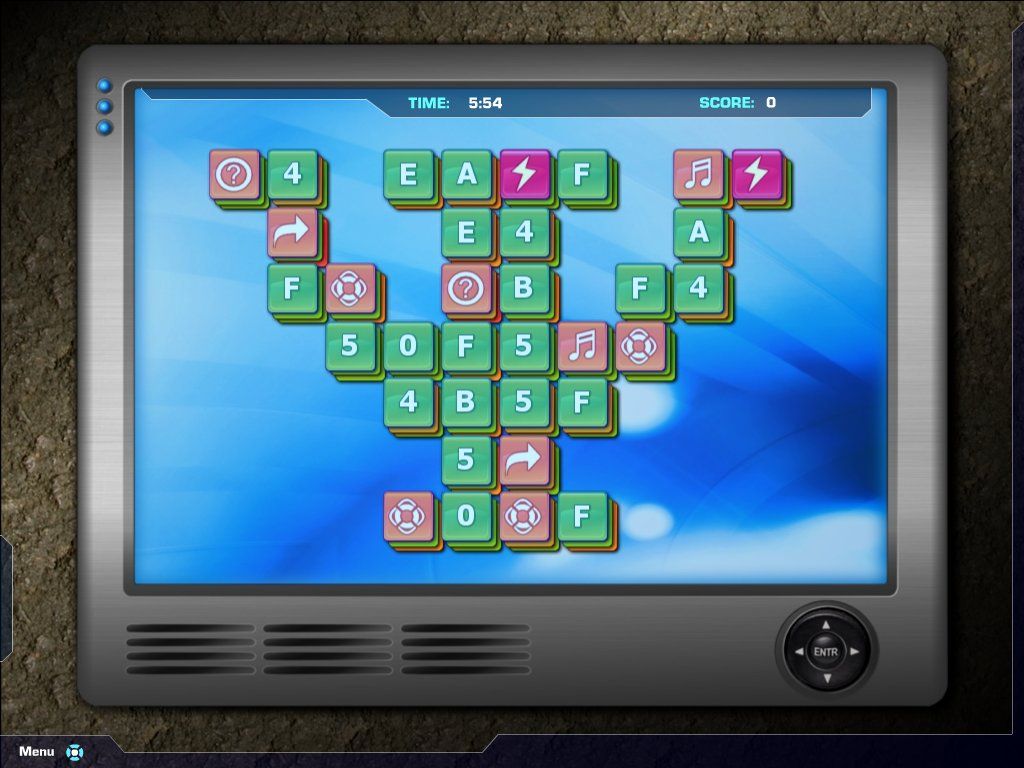
Between chapters, the game introduces a mahjongg-style mini-game that provides a pleasant change of pace. In these puzzles, you match pairs of tiles that have free sides and can connect through a short path. These interludes not only refresh your eyes but also reward you with bonus time or additional clues for the main hidden object stages. The result is a well-paced alternation between high-pressure searches and more relaxed, thoughtful matching puzzles.
Controls are intuitive: you simply click to highlight found objects or mismatched tiles, and the interface clearly indicates remaining time and hint availability. The hint system, signaled by a pulsing icon, automatically highlights the general area of one undiscovered object, preventing players from feeling completely stuck without trivializing the challenge. Overall, the gameplay strikes a comfortable balance between accessibility for newcomers and a satisfying level of difficulty for seasoned hidden object aficionados.
Graphics
The visual presentation of Lost Island is one of its strongest assets. Each scene—from sun-drenched beaches to dense jungle clearings—features hand-painted backdrops teeming with life. Tropical flora and fauna leap off the screen with saturated hues and fine detail, immersing players in an island paradise that feels both vibrant and mysterious.
Character portraits and cutscenes are rendered in a stylized, semi-realistic art style that complements the lush environments. When the rescue team exchanges dialogue about Charlie Johnson’s disappearance, expressive facial animations and subtle background movements (like swaying palms or drifting clouds) breathe life into the narrative without pulling you out of the hidden object experience.
The UI is thoughtfully designed to stay out of the way while remaining readable. Inventory icons and the object list use clean, high-contrast typography, ensuring you can quickly scan for your targets. Transitions between locations and mini-games load swiftly, maintaining a steady rhythm that keeps you engaged rather than waiting on loading screens.
Story
At its core, Hawaiian Explorer: Lost Island follows a daring rescue team tasked with locating Charlie Johnson, a 63-year-old millionaire adventurer who vanished while flying over the Hawaiian archipelago. The premise provides a compelling motivation to explore each environment, with occasional diary entries, radio transmissions, and found photographs fleshing out the backstory. This narrative thread ties together the seemingly disparate scenes into a cohesive quest.
While the story unfolds primarily through terse dialogue and environmental storytelling—such as abandoned campsites and scattered equipment—the game sprinkles in plot twists to maintain intrigue. As you uncover Charlie’s last known whereabouts, you begin to piece together both the adventurer’s ambitious goals and the unforeseen dangers he encountered. This slow drip of information encourages thorough exploration of each screen, rewarding you with narrative nuggets for every hidden object you discover.
Although the primary focus remains on object hunting, these narrative elements transform Lost Island from a simple spot-the-item exercise into an interactive adventure. By the time you reach the finale—where the true fate of Charlie Johnson is revealed—you feel a satisfying sense of closure. The story doesn’t aim for deep character drama but succeeds in lending purpose and atmosphere to the gameplay loop.
Overall Experience
Hawaiian Explorer: Lost Island is a polished, engaging entry in the hidden object genre that successfully builds upon the foundation laid by Pearl Harbor. The combination of time-pressured searches, occasional penalties for misclicks, and a limited hint system creates an exciting, strategic hunt through idyllic island locales. The inclusion of mahjongg mini-games adds variety without detracting from the main objective.
Presentation is top-notch: lush backgrounds, expressive character art, and a seamless interface all work together to immerse you in the rescue mission. Audio design is equally strong, featuring gentle ukulele-style music underscored by ambient ocean waves and jungle bird calls. These elements enhance the tropical atmosphere, making each scene feel alive rather than static.
While veterans of hidden object games may find the ten-minute limit challenging at first, the gradual difficulty curve and ample opportunity to practice in earlier chapters help players acclimate. Newcomers will appreciate the clear tutorial prompts and forgiving hint system. Ultimately, Hawaiian Explorer: Lost Island delivers a rewarding, accessible adventure perfect for casual play sessions or binge-style puzzle days. Anyone seeking a laid-back yet engaging treasure hunt across exotic island vistas will find this title hard to resist.


Reviews
There are no reviews yet.