 Retro Replay Retro Replay gaming reviews, news, emulation, geek stuff and more!
Retro Replay Review
Gameplay
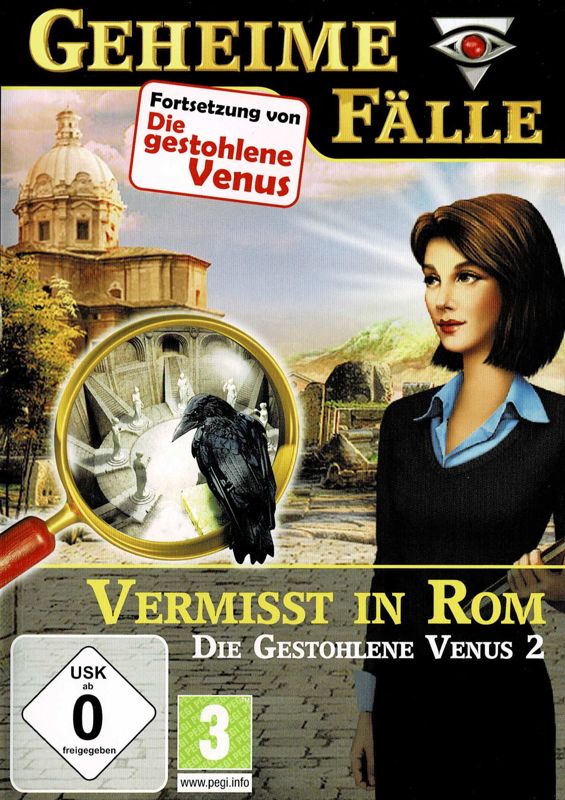
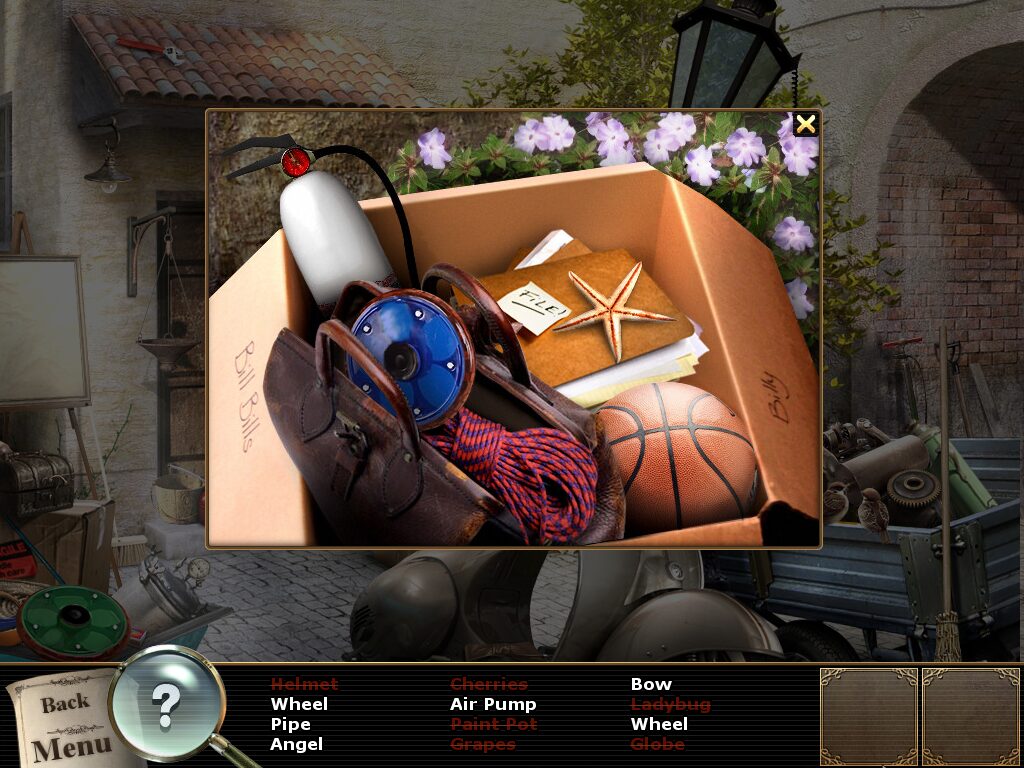
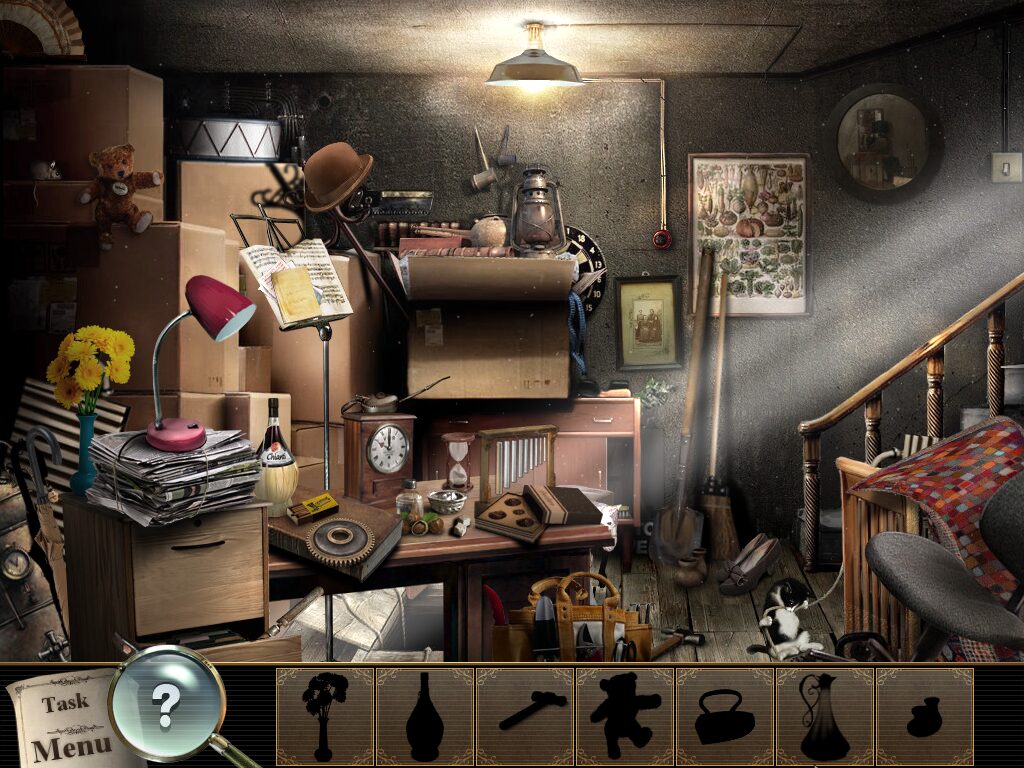
Insider Tales: Vanished in Rome follows the classic hidden object formula, tasking players with combing through richly detailed scenes of the Eternal City to locate a series of items listed at the bottom of the screen. Each location is densely populated with artifacts, souvenirs, and everyday objects, creating a satisfying challenge for those who enjoy sharp eyes and patient searching. The standard word lists sometimes give way to silhouette lists, ensuring that players cannot simply rely on textual clues but must train their eyes to recognize shapes and colors in the chaos of each tableau.
(HEY YOU!! We hope you enjoy! We try not to run ads. So basically, this is a very expensive hobby running this site. Please consider joining us for updates, forums, and more. Network w/ us to make some cash or friends while retro gaming, and you can win some free retro games for posting. Okay, carry on 👍)
Beyond the core find-and-click gameplay, the title introduces inventory-based interactions that deepen the puzzle design. Certain objects are stored in two slots at the bottom-right corner; players must identify the correct context or hotspot to drag and drop those items and unlock new areas or trigger story events. Entries in blue remain hidden until the player completes a mini-game or performs a prerequisite action, adding an extra layer of exploration and encouraging thorough investigation of each scene.
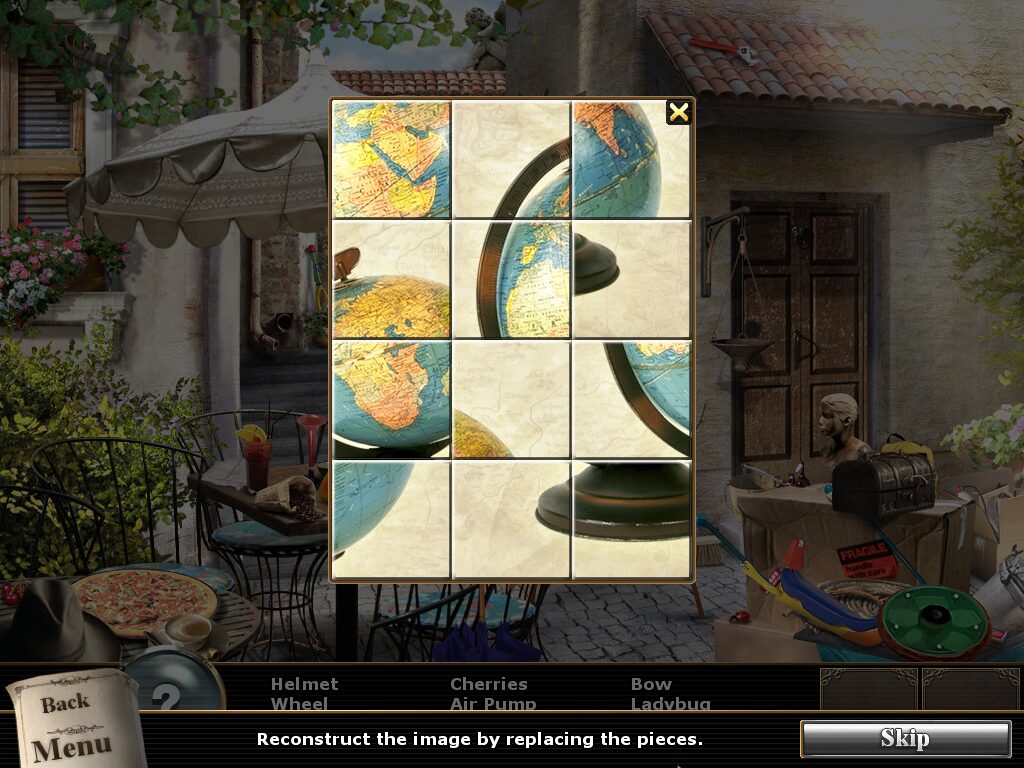
Insider Tales also spices up the familiar formula with camera-viewfinder sequences, where the cursor transforms into a lens that must be aimed at precise screen sections displayed at the bottom. In addition, there are moments when you must replace a jumbled array of objects back into their rightful positions, turning passive observation into active restoration. These alternating modes keep the pacing fresh and prevent the search mechanics from growing stale over the course of the investigation.
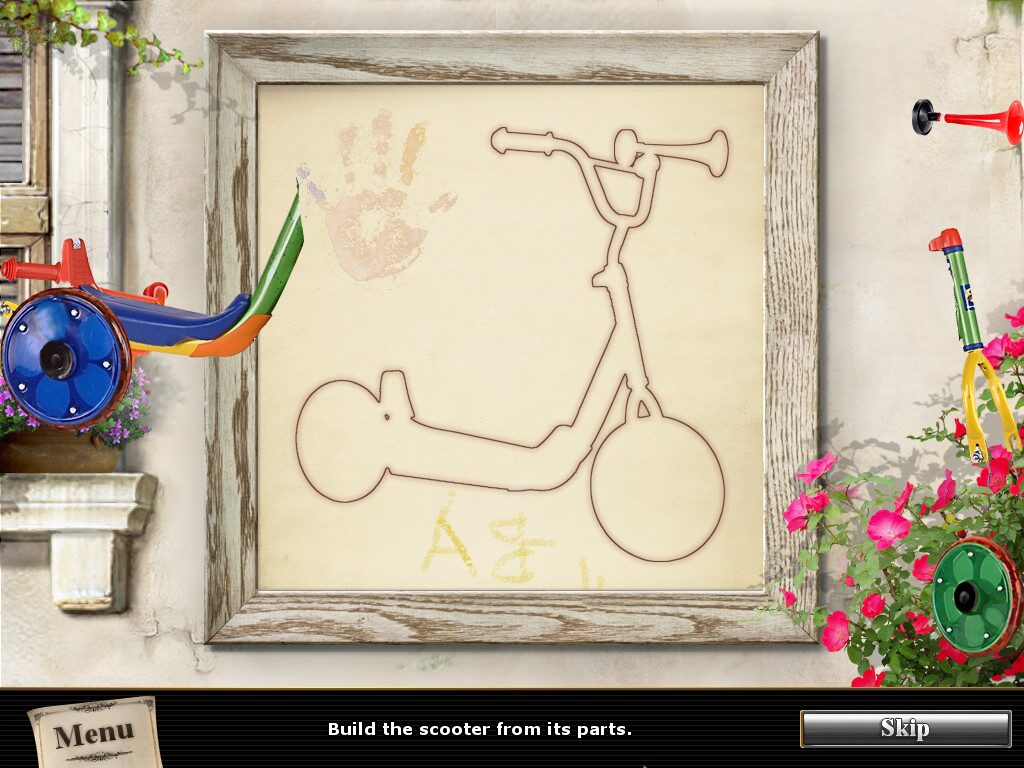
Mini-games punctuate the hidden object stages and provide logical detours that test your problem-solving skills. Whether you’re assembling a broken fresco, untangling the lines of a star constellation, or replaying the classic Simon memory challenge with chimes, each puzzle is polished and thematically tied to your progress. Most can be skipped after a brief countdown, offering a courtesy to players who prefer to stay in detective mode rather than puzzle-solving mode.
The hint system, represented by a magnifying glass icon, is thoughtfully balanced: it reveals the location of a needed item but requires a brief recharge period before it can be used again. This prevents overreliance on instant answers while ensuring that casual gamers never become permanently stuck. Combined with optional skips on mini-games, the pacing remains under the player’s control, making Vanished in Rome accessible to both veterans of the genre and newcomers alike.
Graphics
The visuals in Insider Tales: Vanished in Rome are the game’s crowning achievement. Every location—from the Colosseum’s crumbling grandeur to the narrow alleys of Trastevere—is rendered in vibrant, hand-painted detail. Each scene brims with life, as vendors’ stalls overflow with fruits, shop windows gleam with ornate ceramic wares, and walls are adorned with aging frescoes and graffiti. This rich artistic tapestry rewards players who take their time to study every corner.
Character portraits and cutscenes feature smooth, expressive artwork that brings Inspector Francesca di Porta to life. Her sharp eyes, determined expression, and subtle gestures convey personality without relying on voice acting. Minor animations—like flickering lanterns, drifting pigeons, and rustling scarves—add a layer of dynamism that keeps still images from feeling static. The UI is sleek and unobtrusive, with elegantly designed inventory slots and hint buttons that complement the game’s overall aesthetic.
While the emphasis is on two-dimensional art, occasional 3D effects—such as rotating puzzle boxes or layered parallax backgrounds—provide depth and break the boundaries between foreground and background elements. Lighting is also handled with care: soft daylight spills onto marble floors, and torchlight casts warm glows in underground passages. These effects enhance the atmosphere, ensuring that Rome feels as tangible and historic as the puzzles you solve within it.
Color palettes shift naturally from scene to scene, reflecting the mood and time of day. Sunlit piazzas burst with warm yellows and terracotta hues, while nighttime gardens rely on cooler blues and purples to evoke mystery. Item silhouettes stand out clearly against their backdrops, ensuring that even in the busiest scenes, players can distinguish interactive objects from mere decoration. Overall, the graphics strike an excellent balance between beauty and functionality.
Story
The narrative thrust of Vanished in Rome centers on Inspector Francesca di Porta, a seasoned detective dispatched to the Italian capital to unravel the disappearance of a lottery-winning couple. The premise is straightforward but compelling: overnight, the once-fortune couple vanished without a trace, leaving behind only cryptic notes and scattered clues. Francesca’s personal connection to the city—born and raised in Rome—imbues her investigation with emotional stakes, as she revisits childhood haunts and uncovers old secrets.
Dialogue is delivered through stylish text boxes accompanied by character sketches, which allow players to absorb the evolving mystery at their own pace. Conversations with witnesses—from street performers to museum curators—reveal layers of intrigue and conflicting testimonies. The plot takes unexpected twists, suggesting that envy, betrayal, and perhaps even supernatural forces may be at play. Each chapter ends on a subtle cliffhanger that motivates further exploration and keeps curiosity at a high pitch.
While the core story remains linear, optional side dialogues and hidden journal entries offer deeper context on Roman history and local legends. Discovering these extras feels like finding bonus clues, and they enrich the world without distracting from the main investigation. The pacing is measured: players aren’t rushed from one scene to the next, nor do they languish in unnecessary exposition. Instead, the story unfolds organically, driven by the player’s success in locating vital evidence and solving puzzles.
Inspector Francesca herself is a well-rounded protagonist, balancing professionalism with moments of reflection. Her occasional wry humor and determination to seek justice for her missing subjects make her both relatable and admirable. Supporting characters—ranging from helpful archivists to dubious informants—are portrayed with enough nuance to keep the player guessing about their true motives. Ultimately, the narrative delivers a satisfying blend of mystery, local charm, and emotional investment.
Overall Experience
Insider Tales: Vanished in Rome offers a polished hidden object adventure that will appeal to fans of the genre and newcomers alike. The combination of intricate scene design, varied puzzle mechanics, and a layered mystery provides over ten hours of engaging gameplay. Whether you’re methodically scanning crowded markets or racing the hint recharge meter, the experience remains fresh through its alternation of search tasks and mini-games.
The game’s pacing and accessibility features—skippable puzzles, rechargeable hints, and clear silhouettes—make it an excellent choice for casual players who want a satisfying detective story without excessive frustration. Yet, for the more dedicated hidden object enthusiast, the dense object placement and optional side lore deliver ample challenge. The balance ensures that Vanished in Rome never feels too easy or needlessly punitive.
Visually and thematically, the game is a love letter to Rome, marrying historical authenticity with imaginative set pieces. Ambient soundscapes—church bells, distant chatter, and gentle breezes—immerse you fully in each location. Combined with a melodic score that underscores both tension and discovery, the atmosphere becomes a character of its own.
In conclusion, Insider Tales: Vanished in Rome stands out as a refined entry in the hidden object series, blending compelling narrative, stunning artwork, and varied gameplay mechanics. Whether you’re tracking down elusive relics in the Vatican vaults or piecing together stolen lottery tickets in a seaside villa, this adventure delivers a thoroughly rewarding journey through one of the world’s most iconic cities.


Reviews
There are no reviews yet.