 Retro Replay Retro Replay gaming reviews, news, emulation, geek stuff and more!
Retro Replay Review
Gameplay
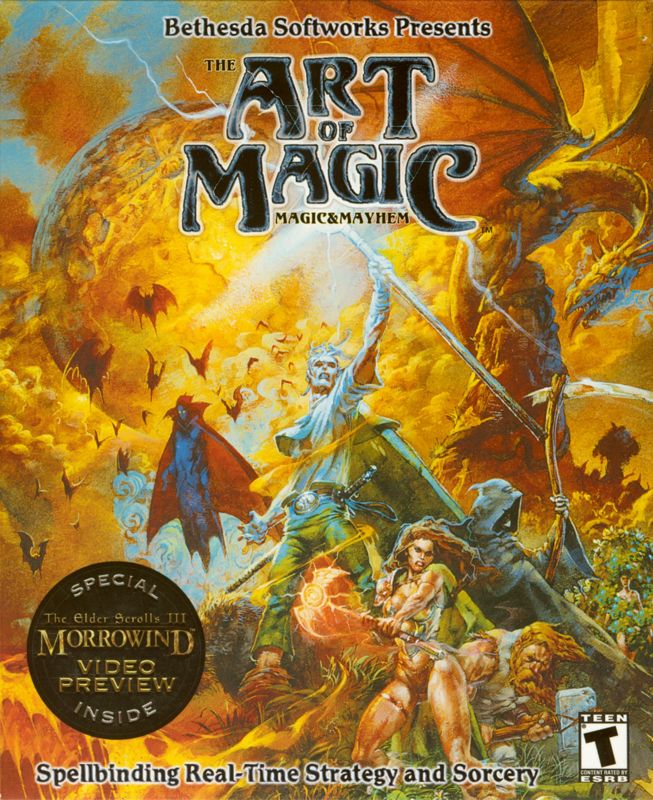
The Art of Magic delivers a robust hybrid experience that weaves together real-time strategy and role-playing elements. Players take on the role of Aurax, an apprentice wizard determined to rescue his kidnapped sister. From the outset, the game immerses you in tactical battles where you must hold mana wells, summon creatures, and cast spells to outwit rival wizards. This blend of resource control and character progression keeps encounters fresh, as no two skirmishes play out in exactly the same way.
(HEY YOU!! We hope you enjoy! We try not to run ads. So basically, this is a very expensive hobby running this site. Please consider joining us for updates, forums, and more. Network w/ us to make some cash or friends while retro gaming, and you can win some free retro games for posting. Okay, carry on 👍)
Summoning creatures lies at the heart of the gameplay loop. Whether you call upon loyal goblins for frontline assaults or enigmatic spirits for ranged support, each summon has unique strengths and weaknesses. You’ll quickly learn to balance your magical energy between direct spells—such as fireballs or protective wards—and the upkeep of your minions. The strategic challenge emerges from deciding when to bolster your army, when to reclaim mana wells, and when to engage the enemy wizard directly.
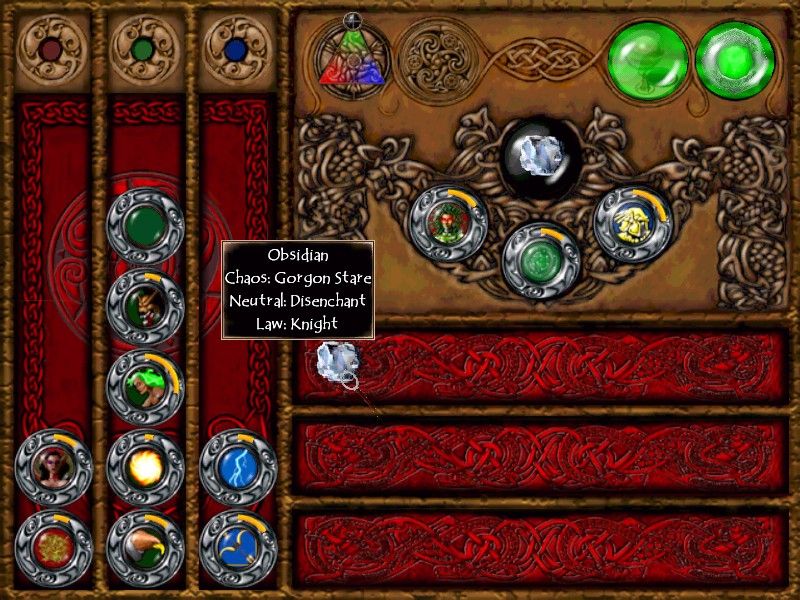
Arguably the game’s most innovative feature is its portmanteau spell system. Reagents can be slotted into talismans aligned with good, neutral, or evil, producing a trio of possible spells per combination. This encourages experimentation: should you craft a devastating area-of-effect attack now or save potent evil spells for later in a boss fight? As you collect more reagents, the depth of possible enchantments expands, rewarding exploration and replayability.
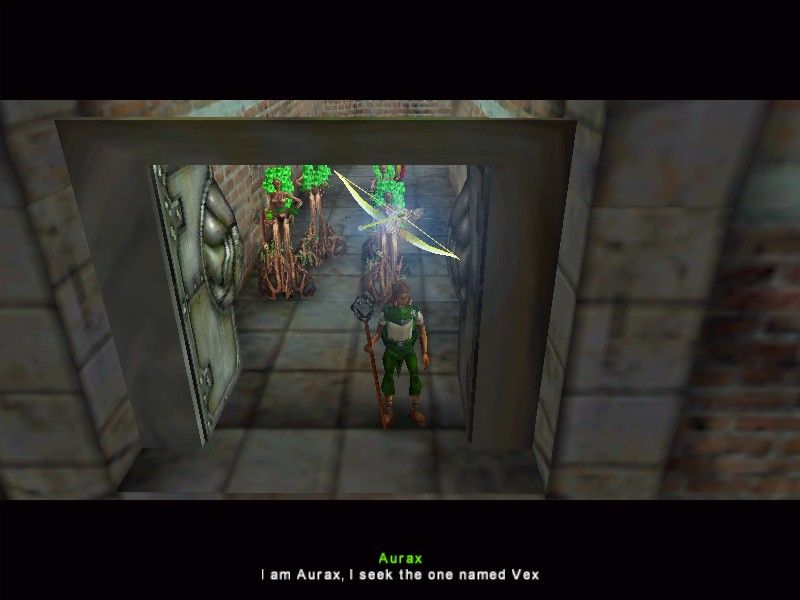
Beyond head-on confrontations, The Art of Magic spices up its mission design with varied objectives. Some levels task you with covert infiltration of troll camps or navigating treacherous medieval sewers undetected. These stealth and puzzle-oriented scenarios break up the formula and challenge you to adopt entirely new tactics, ensuring the gameplay remains unpredictable and engaging throughout the campaign.
Graphics
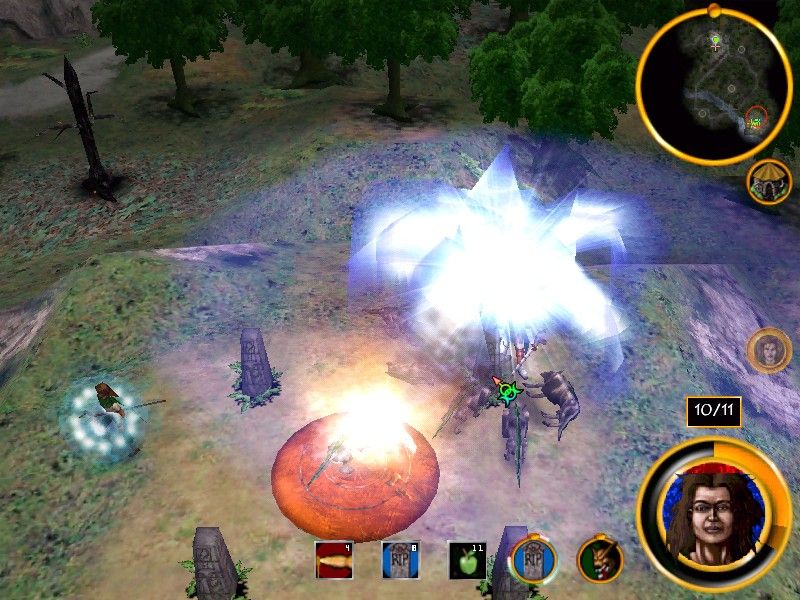
The transition to full 3D graphics breathes new life into the classic Magic & Mayhem formula. Environments—from lush enchanted forests to dank underground sewer networks—are rendered with attention to atmospheric details. Dynamic lighting highlights fog-shrouded ruins, and particle effects make each spell cast feel weighty and impressive. The result is a visually varied world that draws you in.
Character and creature models strike a balance between stylized fantasy and technical polish. Aurax’s robes ripple realistically as he moves, while summoned beasts—from winged imps to stone golems—display distinct animations that reflect their magical nature. Although a few textures show their age, overall the engine holds up well, and the art direction cleverly masks any minor shortcomings with bold color choices and imaginative creature design.
Spell effects are a particular high point. Fire-based enchantments erupt in glowing embers that swirl around enemy units, and ice spells freeze enemies in striking crystalline forms. The portmanteau system adds another layer to the visuals: discovering a new reagent or alignment combination often yields spectacular, unexpected visual manifestations that make each new spell feel like a reward in itself.
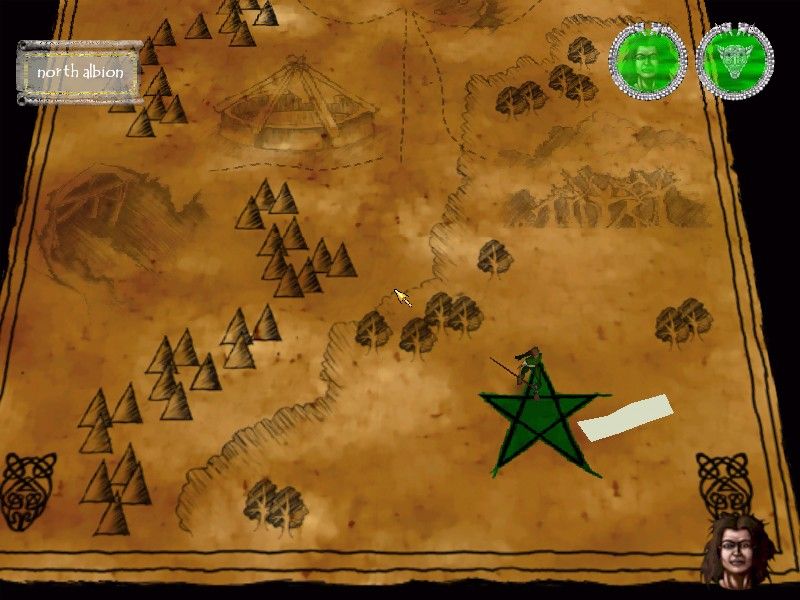
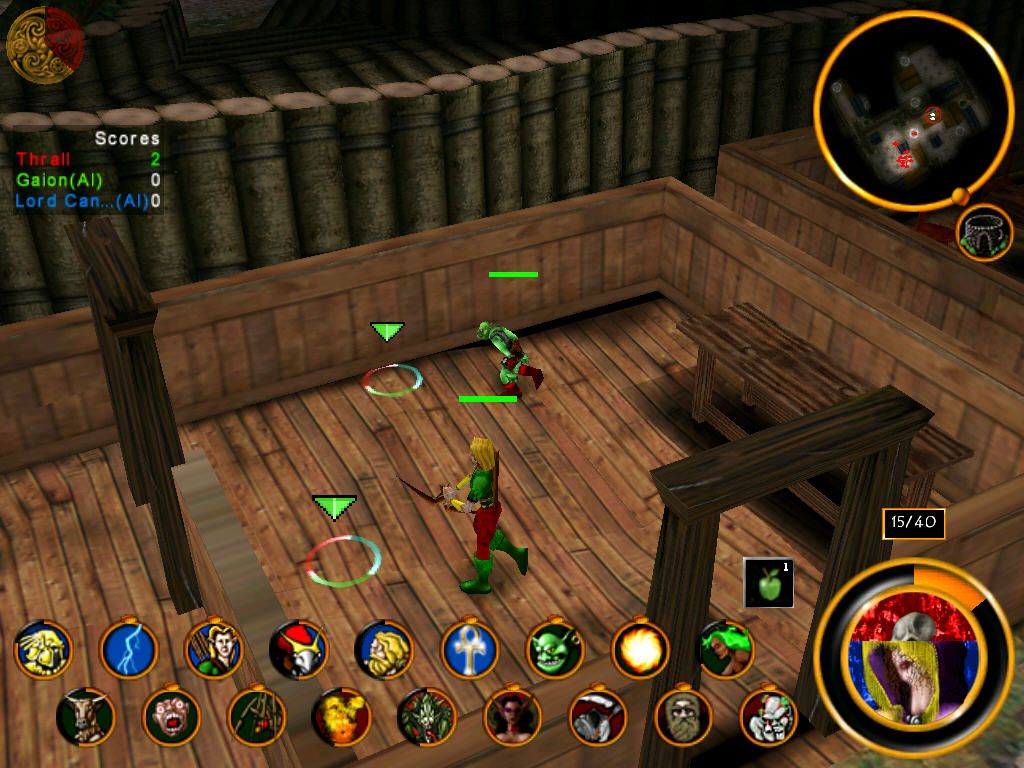
The user interface complements the visuals without overwhelming the screen. HUD elements indicating mana well control, creature counts, and quick-select spell slots are intuitive and easily accessible. While occasional camera angles can feel restrictive during complex battles, the overall presentation remains clear, ensuring you can appreciate the game’s graphical flourishes without sacrificing tactical clarity.
Story
The narrative thrust of The Art of Magic centers on Aurax’s personal quest to rescue his kidnapped sister from the clutches of power-hungry wizards. This classic hero’s journey framework provides a compelling motivation that ties together otherwise disparate missions. Each new antagonist presents not only a combat challenge but also deepens the lore of the world, revealing hidden alliances and ancient rivalries among magical orders.
Cutscenes are well-directed and feature voice acting that, while sometimes dramatic, generally fits the game’s mythic tone. Dialogues between Aurax and his rivals offer glimpses of personality: the cocky rogue sorcerer, the stoic necromancer, and the enigmatic neutralist who questions the ethics of summoning creatures. These interactions, though occasionally formulaic, help maintain narrative momentum and keep you invested in Aurax’s journey.
Between missions, the game uses scroll-like interludes and journal entries to expand on world-building. You learn about the origins of mana wells, the schism between good and evil magic users, and the significance of each reagent you discover. While the overarching plot follows familiar fantasy tropes, these details enrich the universe and reward players who pay attention to the lore tucked away in side quests and hidden areas.
Mission variety also serves the story, as branching objectives often reflect Aurax’s moral choices. Will he employ ruthless evil spells to save time, or seek a more benevolent path at the risk of personal hardship? These decisions don’t drastically alter the main narrative but provide enough consequence to make you ponder your wizard’s ethical alignment, adding an extra layer of engagement beyond simple battlefield tactics.
Overall Experience
The Art of Magic stands out as a polished reimagining of the beloved 1998 classic, successfully modernizing both its strategy and RPG elements. Its hybrid gameplay, deep spell crafting, and tactical variety combine to create an engaging experience that appeals to fans of both genres. Whether you’re masterminding large-scale confrontations or fine-tuning your spellbook, the game encourages creative problem-solving at every turn.
Replay value is high thanks to the portmanteau system and multiple mission paths. Experimenting with different reagent combinations keeps gameplay fresh, and optional side objectives offer additional challenges for completionists. Even after finishing the main storyline, the lure of crafting new spell permutations and revisiting favorite battlefields ensures you’ll return to Aurax’s world again and again.
Sound design and music further elevate the experience. A sweeping orchestral score underscores key narrative moments, while ambient audio—creatures screeching in the distance, the hum of arcane energy—heightens immersion during gameplay. Combined with responsive controls and a user-friendly interface, these elements make for a seamless journey from the first tutorial to the final showdown.
Overall, The Art of Magic is a must-play for gamers seeking a nuanced blend of strategy and role-playing in a richly imagined fantasy realm. Its thoughtful integration of spellcraft, creature summoning, and story-driven missions delivers an experience that is both approachable for newcomers and deep enough for seasoned tacticians. Aurax’s adventure is one you won’t soon forget.



Reviews
There are no reviews yet.