 Retro Replay Retro Replay gaming reviews, news, emulation, geek stuff and more!
Retro Replay Review
Gameplay
Massive Assault Network builds upon the strategic foundations of its predecessor, delivering a refined turn-based wargame experience that rewards careful planning and tactical foresight. Each match unfolds on a hex-style map divided into distinct regions, which you must capture to gain victory points. From the moment you deploy your initial forces, the game emphasizes positioning and timing—neutral regions can be swiftly converted into staging areas, allowing for surprise offensives and defensive gambits.
(HEY YOU!! We hope you enjoy! We try not to run ads. So basically, this is a very expensive hobby running this site. Please consider joining us for updates, forums, and more. Network w/ us to make some cash or friends while retro gaming, and you can win some free retro games for posting. Okay, carry on 👍)
Players choose from two factions—Free Nations Union or Phantom League—each fielding an identical roster of 13 specialized units covering land, sea, and air. The diversity of these units encourages creative loadouts: amphibious transports can secure coastal territories, while air superiority fighters grant rapid regional reinforcement. Every turn, you decide whether to advance, hold, or engage in combat; once orders are submitted, your opponent picks up the baton, making Massive Assault Network as much a duel of wits as a test of military mettle.
One of the game’s standout features is asynchronous play. With up to a week to complete each turn, you can juggle multiple matches at your leisure. This “play-by-mail” style invites a slower, more contemplative pace—perfect for strategists who relish time to weigh every possible maneuver. Matches can stretch over days or weeks, lending each conquest a genuine sense of gravity and narrative weight. For those craving a relentless clock, however, the pace may feel languid compared to real-time alternatives.
Graphics
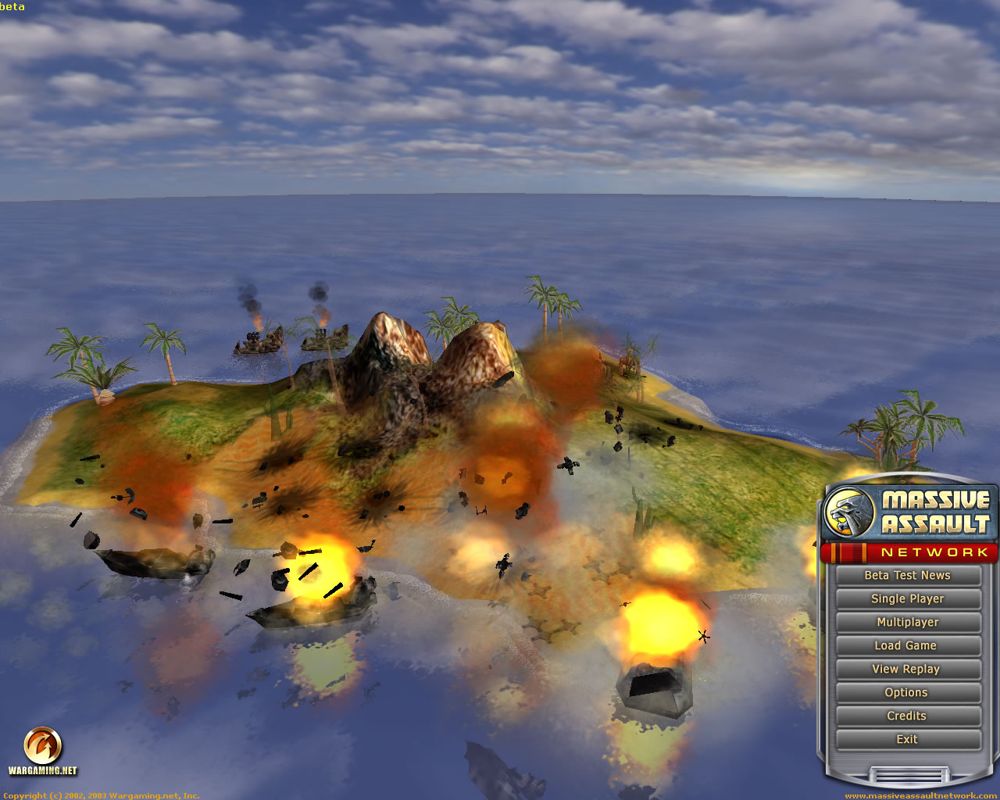
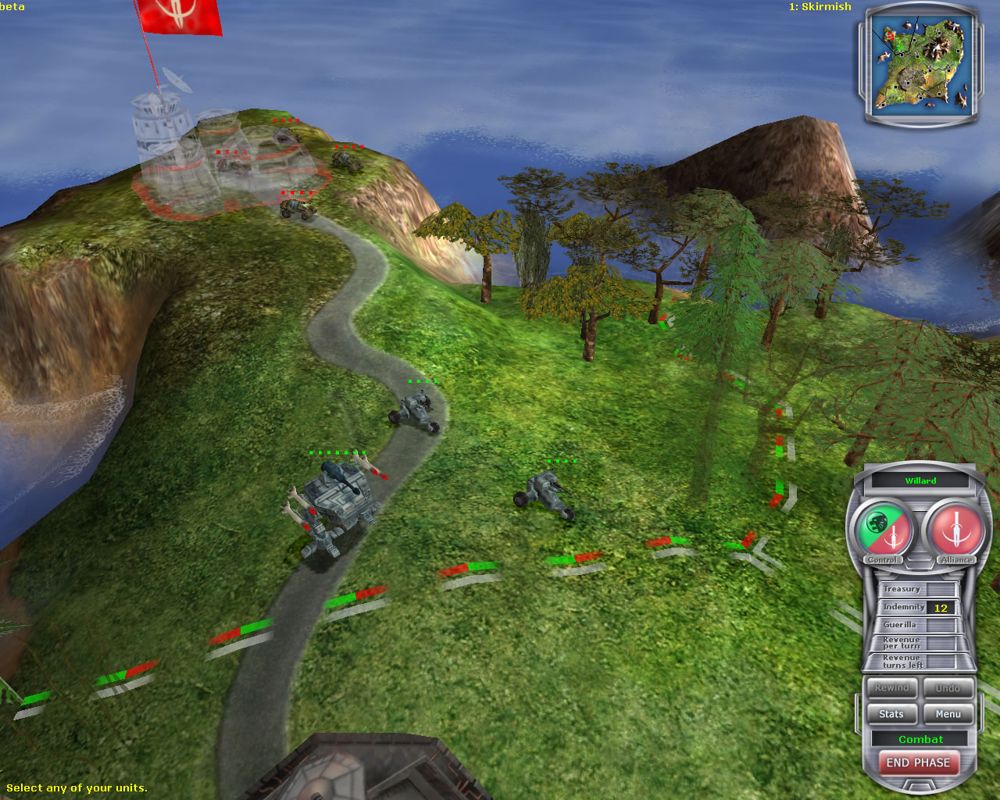
Though not pushing the bleeding edge of visual fidelity, Massive Assault Network’s graphics remain clean, functional, and thematically consistent. The battlefields are rendered in crisp 3D, with each terrain type—forest, desert, ice, and water—offering clear visual cues that inform tactical decisions. Unit models are distinct enough to be immediately recognizable, even when zoomed out, allowing you to keep tabs on your entire front line at a glance.
Animations are purposeful rather than flashy: tanks roll into neighboring regions, jets streak overhead, and naval vessels glide across coastal hexes. Explosions and unit destruction effects are concise but satisfying, providing just enough feedback without bogging down the interface. The camera controls are intuitive, letting you pan and rotate your view to inspect chokepoints or plan multi-vector assaults with minimal fuss.
UI elements—including resource trackers, region ownership indicators, and turn timers—are laid out cleanly along the screen edges. Icons and tooltips ensure that even newcomers to the series can quickly grasp the flow of play. While you won’t find dynamic weather systems or destructible environments here, the aesthetic choices support clarity and strategic depth over visual spectacle.
Story
Massive Assault Network frames its conflict within a sprawling interplanetary war between the Free Nations Union and the shadowy Phantom League. Although the overarching lore paints a galaxy-spanning campaign, your individual matches are essentially duels—each battle a microcosm of the larger hostilities. There’s no branching narrative or influence on subsequent skirmishes; instead, the story serves as thematic context to enrich the tension of each encounter.
The single-player component functions mostly as an extended tutorial, introducing you to unit roles, regional bonuses, and advanced tactics. AI opponents offer scaled-down deathmatch scenarios that help you refine strategies without the unpredictability of human adversaries. While these missions lack the depth of a full campaign, they effectively teach you the ropes before you dive into multiplayer.
For those seeking a dramatic storyline with evolving characters or in-depth cutscenes, Massive Assault Network may feel sparse. However, the minimal narrative framework keeps the focus firmly on strategic play. Each match becomes its own narrative, shaped by your decisions and the counterplays of your opponent, rather than by pre-scripted plot twists or elaborate cinematics.
Overall Experience
Massive Assault Network excels as a niche strategy title tailored to fans of methodical, turn-based warfare. It superbly adapts the core mechanics of Massive Assault into an online, asynchronous environment, allowing for leisurely yet meaningful competitions across multiple concurrent matches. The emphasis on regional control, combined arms, and resource allocation ensures that every victory feels earned and every defeat invites analysis.
Its limitations—scaled-down single-player, absence of narrative progression, and a relatively static presentation—are balanced by the depth and flexibility of multiplayer engagements. If you appreciate chess-like duels that unfold over days, where each move can tip the balance of power, this game will resonate deeply. The community-driven matches keep the strategic meta evolving, as players develop new opening gambits and countermeasures to surprise even seasoned veterans.
In sum, Massive Assault Network is an engaging strategic wargame that champions thoughtful play over flashy gimmicks. It may not cater to every gamer’s taste, but for those who cherish planning, bluffing, and long-term campaigns, it delivers a robust multiplayer experience. The game’s enduring appeal lies in its simplicity of concept married to the endless complexity of human opponents—truly a battlefield where every decision counts.

Reviews
There are no reviews yet.