 Retro Replay Retro Replay gaming reviews, news, emulation, geek stuff and more!
Retro Replay Review
Gameplay
Mind’s Eye delivers a classic point-and-click experience that will resonate with fans of traditional adventure games. You guide Noah through the eerie corridors of the sanitarium, collecting items and piecing together clues. The interface is intuitive: simply click to move, examine objects, or interact with characters. The inclusion of the “brain action” icon adds an innovative twist, letting Noah pause and reflect on his surroundings, which helps in unraveling complex puzzles.
(HEY YOU!! We hope you enjoy! We try not to run ads. So basically, this is a very expensive hobby running this site. Please consider joining us for updates, forums, and more. Network w/ us to make some cash or friends while retro gaming, and you can win some free retro games for posting. Okay, carry on 👍)
The puzzles are thoughtfully designed, striking a balance between logic tests and narrative-driven challenges. Some require combining seemingly unrelated items, while others hinge on deciphering hidden hints in patient journals. As Noah progresses, your memory bar gradually fills, unlocking snippets of his past that often suggest solutions to impending obstacles. This mechanic keeps the gameplay dynamic, as you’re constantly toggling between exploration and introspection.
Interactions with other patients and staff members are more than mere exposition—they’re essential gameplay elements. Each character has a distinct personality and mental ailment, influencing the types of puzzles you’ll face. Dialogues can shift the course of your investigation, and certain lines of questioning open up optional puzzles that reward you with extra memory fragments. These side quests deepen engagement and encourage thorough exploration of the sanitarium.
Graphics
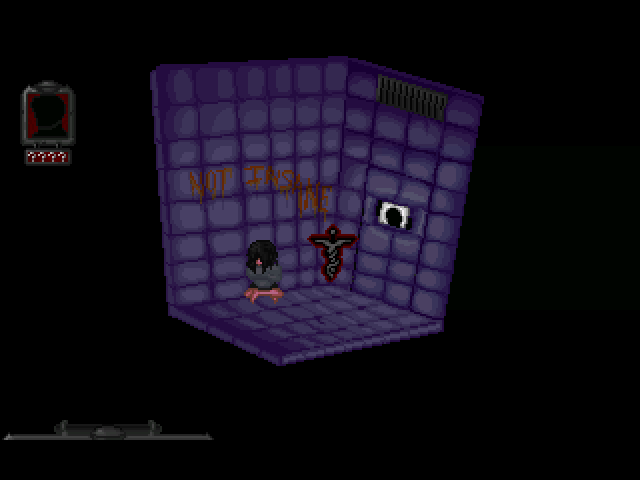
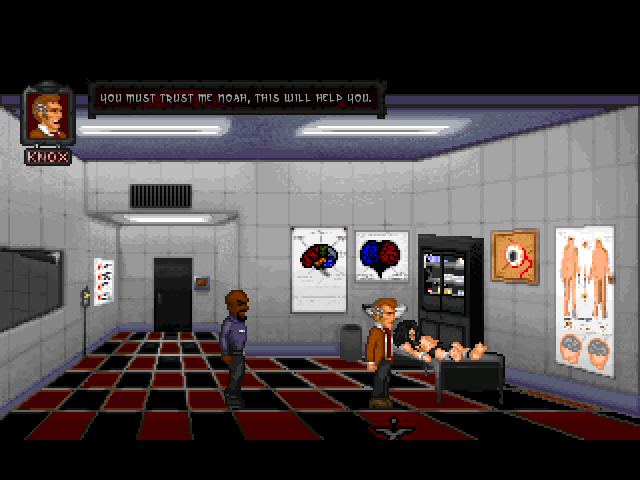
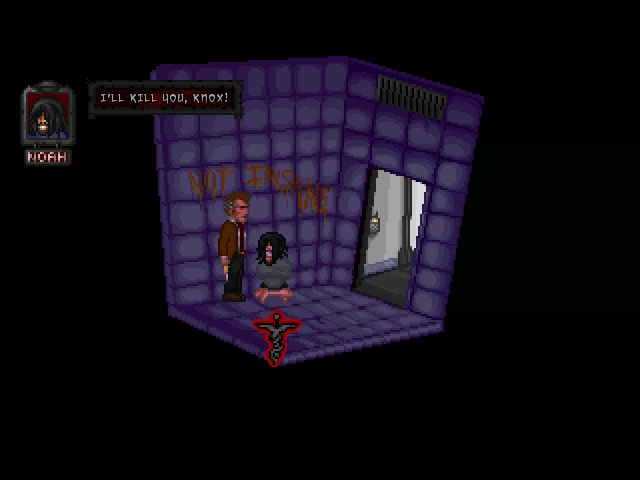
Built on the AGS engine, Mind’s Eye embraces a retro aesthetic that feels both nostalgic and fresh. The pixel art is finely detailed: peeling wallpaper, flickering lights, and the haunted expressions on the faces of the sanitarium’s inhabitants all contribute to a hauntingly immersive atmosphere. Though limited to a 2D plane, the backgrounds are richly textured, offering a sense of depth and foreboding.
Character animations are subtle but effective. A gentle sway when Noah’s lost in thought, the tremble in a patient’s hand as they reach out for help—these small touches bring the sanitarium to life. Cutscenes, rendered in slightly higher resolution pixel art, punctuate key moments in the story, lending emotional weight to Noah’s revelations. Transitions between exploration and close-up inspections are smooth, ensuring the pace never stalls.
The game’s use of color and lighting deserves special mention. Dark hallways are bathed in muted blues and grays, while memory sequences burst forth in warm golds and reds, visually distinguishing past from present. Occasional visual effects—like a brief blur when your memory bar jumps—reinforce the theme of recollection. Overall, the graphics strike an admirable balance between retro charm and modern polish.
Story
At its core, Mind’s Eye is a tale of identity and redemption. You awaken as Noah, a patient with no memories and no understanding of his circumstances. The sanitarium’s oppressive atmosphere hints at past atrocities and unspoken secrets, driving you to uncover the truth. As you piece together Noah’s history, the narrative evolves from simple amnesia recovery to a deeper investigation of morality, guilt, and forgiveness.
The supporting cast is equally compelling. Each patient’s backstory is revealed through environmental clues and dialogues, creating a tapestry of personal tragedies that mirror Noah’s plight. The sanitarium personnel, too, are shrouded in moral ambiguity—some seem helpful, while others guard secrets with sinister determination. This interplay of trust and suspicion fuels the story’s psychological tension.
Pacing is one of the game’s strong suits. Early chapters focus on small-scale puzzles and character introductions, allowing you to familiarize yourself with the controls and the memory system. Midway through, revelations about Noah’s past raise the stakes, introducing branching paths that affect how certain character subplots conclude. By the finale, the story reaches a satisfying climax, delivering both emotional catharsis and shocking twists.
Overall Experience
Mind’s Eye offers a compelling adventure for players who appreciate thoughtful puzzles and atmospheric storytelling. The combination of engaging gameplay mechanics, evocative pixel art, and a layered narrative ensures you remain invested from start to finish. Memory-based progression provides a unique hook that distinguishes this title from other AGS-developed adventures.
The game’s difficulty curve is well-calibrated. Early puzzles serve as gentle tutorials, while later challenges demand careful observation and lateral thinking. Hints found in Noah’s recovered memories aid progression without feeling intrusive, maintaining the sense of accomplishment when you solve a tough puzzle. If you get truly stuck, optional dialogues with a friendly nurse character offer additional guidance without spoiling the main storyline.
Overall, Mind’s Eye succeeds as both a nostalgic throwback and a fresh take on the point-and-click genre. It’s an ideal purchase for fans of atmospheric adventures who enjoy piecing together a story at their own pace. With its blend of intriguing characters, haunting visuals, and inventive memory mechanics, this game is well worth exploring for anyone seeking a memorable psychological journey.



Reviews
There are no reviews yet.