 Retro Replay Retro Replay gaming reviews, news, emulation, geek stuff and more!

Retro Replay Review
Gameplay
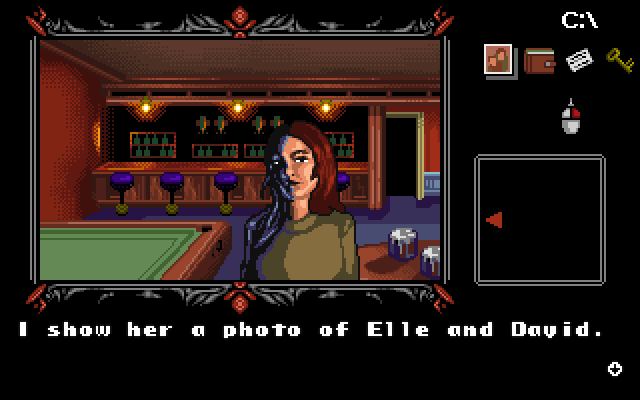
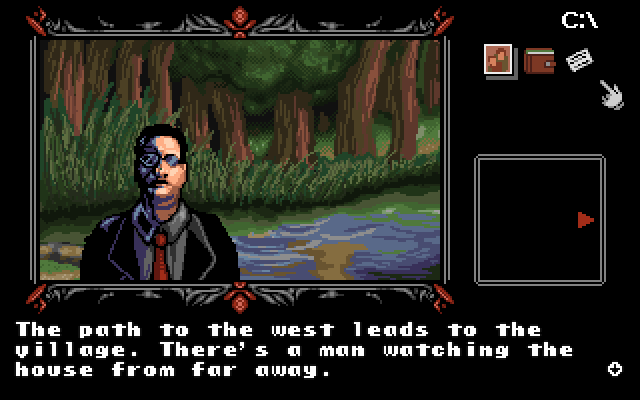
Missing embraces the classic point-and-click adventure formula, inviting players to guide ex-cop Melvin through the eerie halls of the Greenview Inn. The interface splits the screen into three clear zones: a large viewport displaying your current location, an inventory panel with navigation arrows to the right, and a text window at the bottom for dialogue and descriptions. This layout feels familiar to veterans of ICOM titles like Shadowgate and Uninvited, offering immediate accessibility without sacrificing depth.
(HEY YOU!! We hope you enjoy! We try not to run ads. So basically, this is a very expensive hobby running this site. Please consider joining us for updates, forums, and more. Network w/ us to make some cash or friends while retro gaming, and you can win some free retro games for posting. Okay, carry on 👍)
Exploration hinges on meticulous observation. Unlike many modern adventures that offer hover-over tooltips, Missing requires you to click every suspicious object to inspect it, use it, or add it to your inventory. This design choice heightens tension—each click could yield a crucial clue or trigger an ominous sound effect. It also means progress depends on patience and a willingness to revisit rooms at different times of day, since certain puzzles only become solvable under specific lighting or temporal conditions.
Progress unfolds over a four-day in-game period, with a built-in hint system active on day one. Early on, you can dial Raja the oracle for cryptic advice, creating a clever nod to classic telephone-based puzzle clues. As the days advance, the inn’s layout and accessible areas shift, forcing players to reorient themselves and reconsider earlier dead ends. This time mechanic, though simple, injects a sense of urgency—Melvin must find his family before time runs out.
Movement and cursor control are entirely mouse-driven, using a single button for examining, talking, and interacting. While this unified control scheme keeps the interface uncluttered, it can sometimes lead to trial-and-error clicking when the hotspots are small. Still, die-hard adventure fans will appreciate the puzzles’ intricate logic and the steady ramp-up in difficulty as the mystery deepens.
Graphics
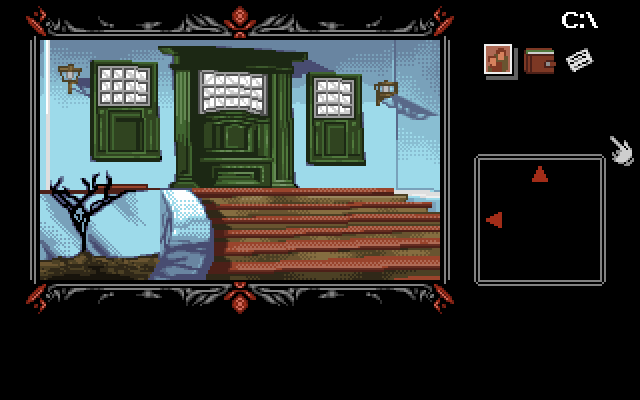
Built on the OHRRPGCE engine, Missing’s visuals embrace a retro, pixel-art style that feels both nostalgic and atmospheric. Each room in the Greenview Inn is rendered as a detailed still image, with muted color palettes that evoke the dimly lit corridors of a late-night horror film. Though the game doesn’t break new ground in high-definition textures, its careful use of shadows, flickering lights, and subtle animations (like a door creaking open or a staircase descent) create genuine suspense.
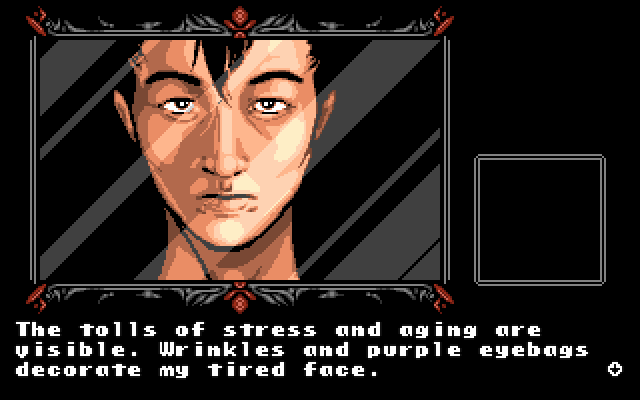
Character portraits and dialogue boxes recall adventure games of the early 1990s: expressive but deliberately minimal. These limited animations draw attention to Melvin’s changing facial expressions and the slight head tilts of secondary characters, which in turn heighten the sense of unease when something feels “off.” Background details—peeling wallpaper, dusty carpets, a lone flickering bulb—are all crafted to sustain a foreboding atmosphere without overwhelming the scene.
Transitions between day and night aren’t just narrative conveniences; they’re visual cues that the inn is alive and shifting. Outdoor spots, such as the overgrown garden or the empty parking lot, are bathed in pale moonlight or harsh afternoon sun, subtly reminding players to keep track of the clock. The lack of dynamic lighting or real-time shadows may feel limiting by modern standards, but Missing leverages its static images to deliver a consistent sense of dread.
Sound design works hand-in-hand with the visuals. Sparse music punctuates key moments, while ambient creaks, distant moans, and sudden door slams keep players on edge. Though the graphics engine doesn’t support full animated cutscenes, the combination of audio cues and carefully composed pixel art frames tells a rich horror story that fans of retro aesthetics will find highly immersive.
Story
The narrative thrust of Missing is straightforward yet compelling: ex-cop Melvin races against time to locate his wife Elle and young son David, who have disappeared within the walls of the Greenview Inn. Their troubled marriage and Elle’s cryptic message to David about needing “time alone” layer personal stakes onto the horror setting. These relational tensions give the plot emotional weight beyond simple survival or escape.
Dialogue is concise, occasionally tinged with dry humor, and always functional in guiding your investigation. There’s no voice acting—every interaction unfolds in text—but the writing captures Melvin’s frustration, fear, and determination. Secondary characters, including desk clerks and enigmatic guests, drip-feed information that simultaneously clarifies and deepens the mystery. Each new clue raises more questions about what truly lurks beneath the inn’s polite veneer.
The four-day timeline structures the pacing. Initial days focus on gathering basic items and learning the inn’s layout, while later days introduce surreal visions, sinister encounters, and revelations about supernatural forces at play. The oracle hotline provides cryptic tips that sometimes feel like puzzles in themselves, echoing the game’s old-school inspirations. By the final stretch, the plot twists feel earned, tying together family drama, horror tropes, and the inn’s dark history.
For players who relish slow-burn mysteries and careful clue-hunting, Missing offers a satisfying narrative arc. It doesn’t deliver jump-scare cheap thrills; instead, it relies on building psychological tension and letting atmosphere drive the storytelling. If you’re more interested in nonstop action than methodical unraveling of secrets, this might feel too deliberate—but for genre fans, that deliberate pace is pure delight.
Overall Experience
Missing is a love letter to classic point-and-click horror adventures. It doesn’t chase modern graphical fidelity or cinematic cutscenes, instead trusting in strong pixel art, evocative sound design, and clever puzzle design to draw players into its eerie world. The tight confines of the Greenview Inn and the creeping sense of dread make exploration both rewarding and unnerving.
Puzzle enthusiasts will appreciate the careful layering of clues, time-based events, and the degree of logical challenge. The help system eases new players in, while optional puzzles and secret phone conversations ensure that completionists have plenty to discover. Although some hotspots can be finicky, and the engine’s limitations occasionally show, the overall design remains consistent and fair.
The story of Melvin’s desperate search for Elle and David holds up well from start to finish. The four-day structure gives a clear sense of progression, and the oracle phone calls add a playful, meta element that keeps you engaged. Horror fans will find Missing’s brand of creeping dread more effective than sudden shocks, and its retro aesthetics are a refreshing alternative to fully 3D environments.
Ultimately, Missing delivers an experience that’s both nostalgic and distinct, perfect for players who yearn for methodical mystery and unsettling atmosphere. If you’ve always wanted to dust off your detective skills and confront quiet terror in a haunted inn, Melvin’s journey is one you won’t soon forget.


Reviews
There are no reviews yet.