 Retro Replay Retro Replay gaming reviews, news, emulation, geek stuff and more!



Retro Replay Review
Gameplay
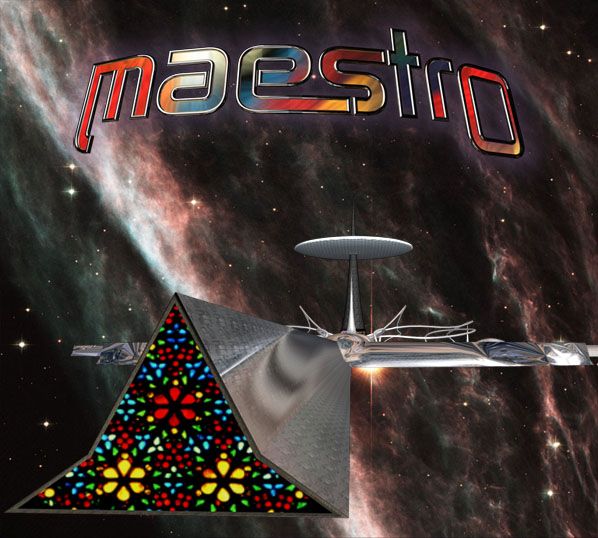
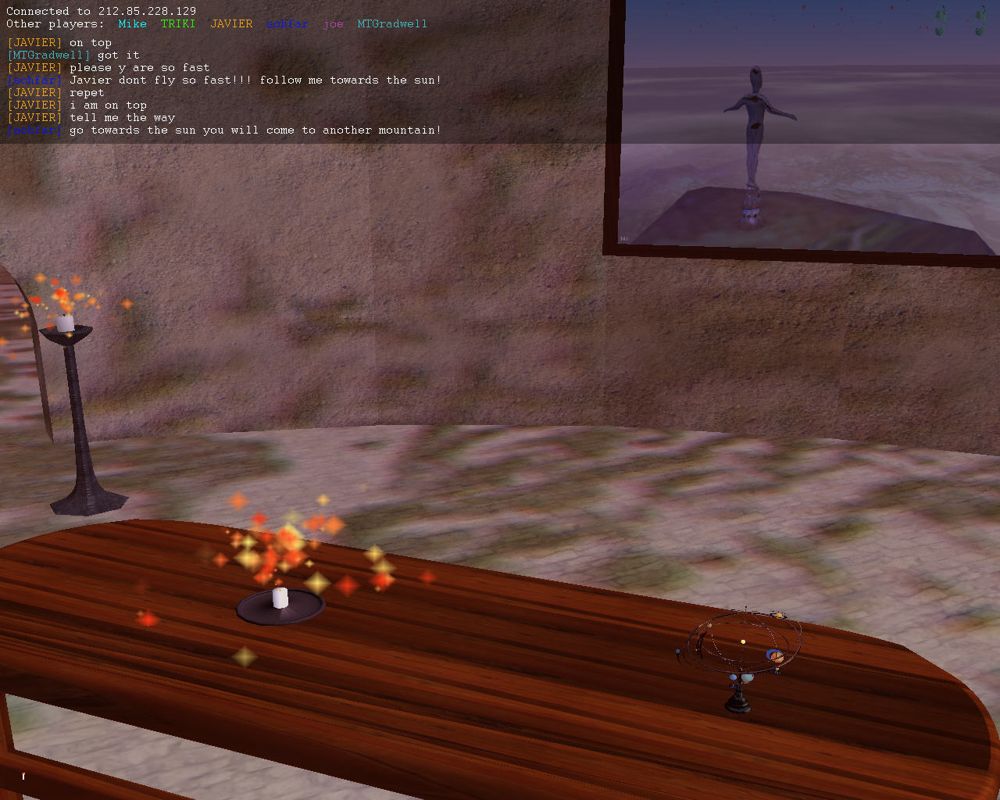
MusicVR Episode 2: Maestro expands on the exploratory freedom introduced in Tres Lunas, offering players a vast, non-linear environment to navigate. The core mechanic revolves around discovering and interacting with musical instruments embedded throughout the Virtual Voyager and its connected realms. As you move through corridors, tubes, and chambers, you trigger melodies and soundscapes that dynamically respond to your actions, creating an immersive audio-visual dialogue between player and game world.
(HEY YOU!! We hope you enjoy! We try not to run ads. So basically, this is a very expensive hobby running this site. Please consider joining us for updates, forums, and more. Network w/ us to make some cash or friends while retro gaming, and you can win some free retro games for posting. Okay, carry on 👍)
At the heart of Maestro’s gameplay loop is the search for the four alien Gravitars, each hidden in distinct zones that range from serene gardens to alien arenas. Capturing a Gravitar requires more than mere exploration—you must “play” your surroundings by activating musical triggers and solving light puzzles that respond to rhythm and tone. This merging of exploration, light puzzle-solving, and music creation sets Maestro apart from more conventional adventure titles.
While some players may find the lack of explicit guidance disorienting, veteran fans of Mike Oldfield’s MusicVR series will appreciate the open-ended structure. The freedom to experiment with soundscapes and compose ambient tracks on the fly gives Maestro a sandbox quality. Whether you’re meticulously tracing every corridor or dashing from portal to portal in search of the next Gravitar, the game rewards a spirit of curiosity and musical experimentation.
One notable design choice is the seamless transition between exploration and performance. Instruments and sound generators appear organically in the environment rather than in a separate menu or interface. This design encourages players to treat the world itself as an instrument, rewarding creative play and offering a unique sense of agency in shaping the soundtrack as you progress.
Graphics
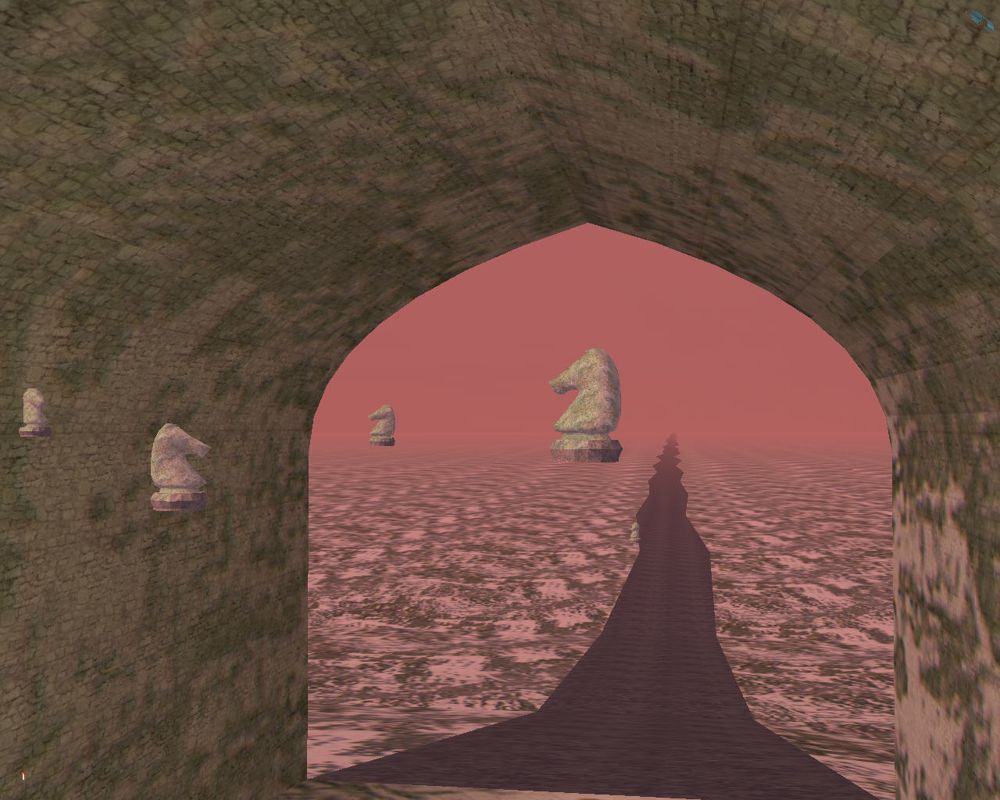
From a visual standpoint, Maestro embraces a stylized, early-2000s 3D aesthetic that complements its musical ambitions. The Virtual Voyager’s interiors are rendered with clean lines and vibrant colors, evoking a futuristic yet surreal atmosphere. Each chamber has a distinct visual motif—some bathed in pulsating neon, others awash in ethereal greens and blues—that reflects the mood of the track associated with it.
The textural detail may feel dated by today’s standards, but it reinforces the Dreamcast/PlayStation 2–era charm. Environmental effects such as dynamic lighting, lens flares, and subtle particle systems help immerse the player in a fluid, otherworldly space. Occasional pop-in or low-resolution textures are minor quibbles in a title that prioritizes a harmonious fusion of sight and sound.
Portals leading outside the Virtual Voyager transport players to expansive arenas where the sky shimmers with auroral bands or star fields swirl like living paintings. These open-air locales utilize panoramic backdrops that blend pre-rendered artistry with real-time geometry, enhancing the sense of scale. The contrast between the confined corridors and the vast external zones keeps exploration visually engaging throughout the experience.
Character and creature design, particularly the Gravitars themselves, lean into abstract shapes and luminous outlines rather than intricate modeling. This choice underscores the game’s emphasis on sound over realism. When each Gravitar is finally located, its brief animation and accompanying musical motif make the capture feel like a ritual, tying the visual reward to the player’s auditory achievements.
Story
While MusicVR: Maestro does not deliver a traditional, narrative-driven plot, it weaves a minimalist storyline through its setting and objectives. You assume the role of a cosmic explorer aboard the Virtual Voyager, tasked by an unseen force to retrieve the four Gravitars. The lack of expository dialogue allows the game’s environments and music to carry thematic weight, inviting players to interpret the story through sensory immersion.
The Virtual Voyager itself becomes a character of sorts—its labyrinthine layout and musical corridors suggest a ship alive with purpose. Subtle audio logs and environmental cues hint at past voyages and experiments in sound, encouraging players to piece together the ship’s history. This indirect storytelling aligns with the game’s open design, as each discovery adds to the player’s mental map of the Voyager’s mysteries.
Each Gravitar you locate has a unique sonic signature that reflects its personality. These audio themes, woven seamlessly into the ambient soundtrack, provide narrative beats in the absence of cutscenes or text. When you escort a Gravitar back to the Gravitar Pen, the act feels both celebratory and contemplative, as the minimalist presentation underscores the symbolic bond between player and alien being.
The overarching theme of Maestro is one of harmony—between technology and nature, between player and environment, and ultimately between music and gameplay. By stripping away heavy exposition and focusing on sensory storytelling, Maestro cultivates an atmosphere of wonder and personal discovery rather than delivering a rigid plot thread.
Overall Experience
MusicVR Episode 2: Maestro invites players to step beyond conventional gaming boundaries and immerse themselves in an auditory playground. Its open-ended design and emphasis on musical interaction may not suit those seeking structured missions or high-octane action, but for fans of ambient exploration and experimental sound design, Maestro offers a uniquely meditative journey.
The game’s pacing varies between moments of tranquil discovery and bursts of creative expression. Capturing Gravitars becomes a satisfying goal that drives exploration, while the freedom to compose ambient scores on the fly gives players a palpable sense of creative ownership. Maestro transcends the typical “collect-a-thon” model by framing each collectible as a living piece of an evolving symphony.
Technically, the game stands as a testament to Mike Oldfield’s vision rather than cutting-edge visuals or performance. Minor graphical rough edges and an occasionally sparse interface are offset by the game’s musical richness and the depth of its world-building. Players will likely forgive technical quirks in favor of the game’s lush soundscapes and immersive environments.
Ultimately, MusicVR Episode 2: Maestro is an experience best enjoyed with a quality audio setup. The interplay between visuals and music is at the core of its appeal, making headphones or a surround-sound system almost essential. For those willing to embrace its tranquil pace and abstract storytelling, Maestro delivers a captivating voyage through sound and space, solidifying its place as a standout entry in the MusicVR series.


Reviews
There are no reviews yet.