 Retro Replay Retro Replay gaming reviews, news, emulation, geek stuff and more!



Retro Replay Review
Gameplay
Outcry embraces the classic point-and-click adventure template, yet it infuses it with a modern layer of surreal exploration. You navigate environments entirely in first person, panning a full 360 degrees to uncover hidden clues, diary pages, and interactable objects. This freedom of view adds depth to each room, encouraging careful observation rather than linear progression. The intuitive cursor changes shape to indicate possible interactions, making it easy even for newcomers to adventure games to know where to click.
(HEY YOU!! We hope you enjoy! We try not to run ads. So basically, this is a very expensive hobby running this site. Please consider joining us for updates, forums, and more. Network w/ us to make some cash or friends while retro gaming, and you can win some free retro games for posting. Okay, carry on 👍)
The heart of Outcry lies in its puzzle design. From mechanical contraptions that require a sequence of gears to align, to a haunting musical riddle that tests your ear and memory, the variety keeps you engaged throughout. Some puzzles demand combining seemingly unrelated items, rewarding your attention to small details in scribbled notes or diagrams. While a handful of challenges lean toward trial-and-error, most provide enough context to feel fair and logical, mitigating frustration.
Pacing is handled with care. The game gently eases you in with simpler puzzles before ramping up complexity as the story deepens. Soft ambient music and well-timed sound effects often hint at areas you haven’t explored yet or signal when a mechanism has correctly engaged. Frequent autosaves ensure that you rarely lose significant progress, making the overall experience smooth and approachable for a wide range of players.
Graphics
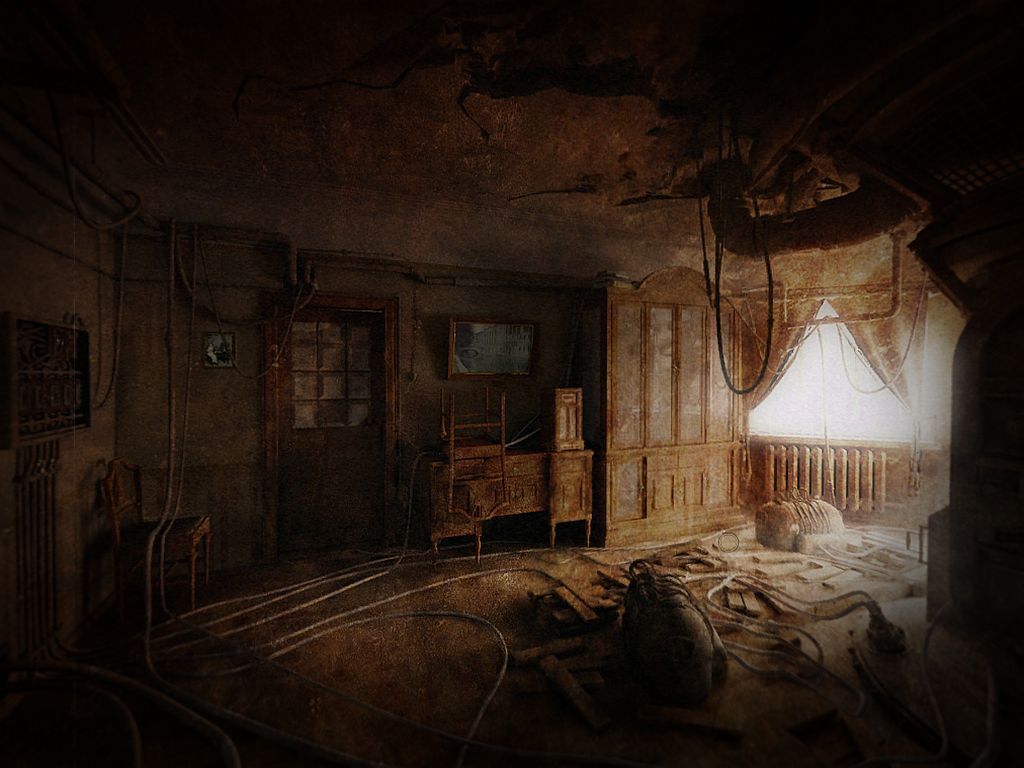
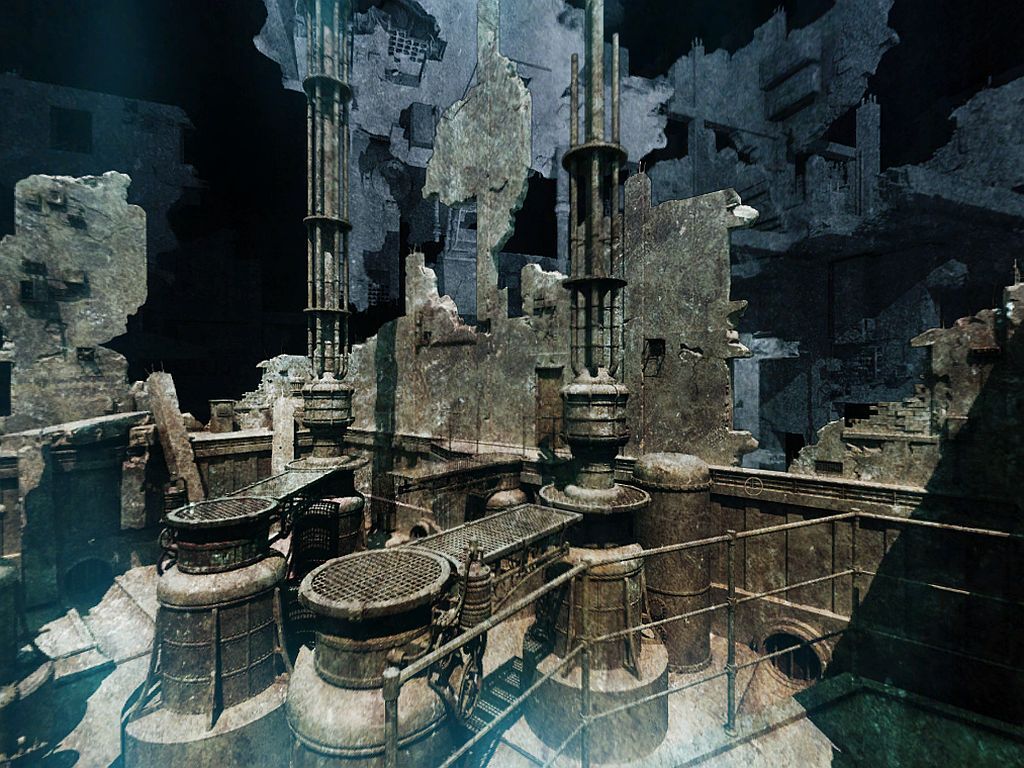
Outcry’s visual style marries realistic textures with surreal flourishes, creating an atmosphere that’s both grounded and otherworldly. Rooms are richly detailed: peeling wallpaper, scattered desk papers, flickering lamps, and half-assembled machinery all contribute to an immersive environment. The muted color palette—grays, browns, and washed-out yellows—evokes a dreamlike melancholy, reinforcing the game’s philosophical undertones.
The ability to pan around in full 360 degrees turns each scene into a small diorama, encouraging you to study every angle. Textures are crisp, and the occasional burst of supernatural imagery—glowing symbols on the floor, impossible architecture in the distance—stands out sharply against the game’s subdued backdrop. While character animation is minimal (since you’re always behind the writer’s eyes), environmental animations—fluttering curtains, gently rotating machinery—breathe life into static settings.
Performance is generally solid on both mid-range PCs and older laptops. Load times between scenes are brief, and there were no noticeable frame-rate drops during heavy graphical moments. If you have a high-end rig, you can bump up texture detail for even greater clarity, though the game’s art direction holds up well at lower settings too, ensuring the atmosphere remains consistent regardless of hardware.
Story
The narrative in Outcry is a finely woven tapestry of mystery, philosophy, and the paranormal. You play an unnamed writer responding to a cryptic invitation from his long-absent brother. That letter alone hooks you, but the sense of unease crescendos as you realize your sibling’s notes hint at a machine capable of separating mind and body to transcend consciousness. Each discovered diary page peels back another layer of this enigmatic premise.
Storytelling relies heavily on environmental clues and fragmented documents, inviting you to become an active participant in piecing together events. Dialogue is sparing but impactful; voiceovers are used judiciously to enhance key moments rather than dominate the experience. The plot unfolds at a measured pace, giving you time to absorb philosophical questions about identity, memory, and the nature of reality without ever feeling preachy.
Twists emerge with satisfying subtlety, each revelation reframing previous discoveries. By the time you confront the true purpose of the mind-separation machine, you’ve grown personally invested in the writer’s quest and the fate of his brother. The blend of existential dread and wonder keeps you engaged until the final scene, which resolves enough threads to feel conclusive while still leaving room for interpretation.
Overall Experience
Outcry stands out as a thoughtful, immersive adventure that excels at marrying cerebral themes with compelling gameplay. It’s not a race against time but a deliberate journey of discovery. The interlocking puzzles, atmospheric audio-visuals, and intricate narrative combine to create a memorable experience that lingers long after the credits roll. For fans of point-and-click games who value story and mood as much as puzzle-solving, Outcry hits all the right notes.
The game’s modest system requirements and smooth optimization make it accessible to a broad audience, while its philosophical depth and surreal moments offer plenty to dissect in online forums or private reflection. If you enjoy titles like Myst or The Long Reach, but crave a more introspective, paranormal twist, Outcry is likely to become a new favorite.
While it may not appeal to players looking for action-packed sequences or fast-paced thrills, its deliberate pace and emphasis on atmosphere reward those who savor every detail. With a runtime of around six to eight hours for most players, it strikes a balance between brevity and substance, delivering a concise yet impactful journey through the unknown realms of mind and memory.


Reviews
There are no reviews yet.