 Retro Replay Retro Replay gaming reviews, news, emulation, geek stuff and more!

Retro Replay Review
Gameplay
Paradise Cracked delivers a unique fusion of turn-based tactical combat and deep role-playing mechanics. Inspired by the strategic depth of X-COM, every movement, shot and ability activation requires careful planning. You’ll find yourself scouring the grid for cover, weighing the risks of advancing under enemy fire or attempting a hacking maneuver to turn security systems against your foes.
(HEY YOU!! We hope you enjoy! We try not to run ads. So basically, this is a very expensive hobby running this site. Please consider joining us for updates, forums, and more. Network w/ us to make some cash or friends while retro gaming, and you can win some free retro games for posting. Okay, carry on 👍)
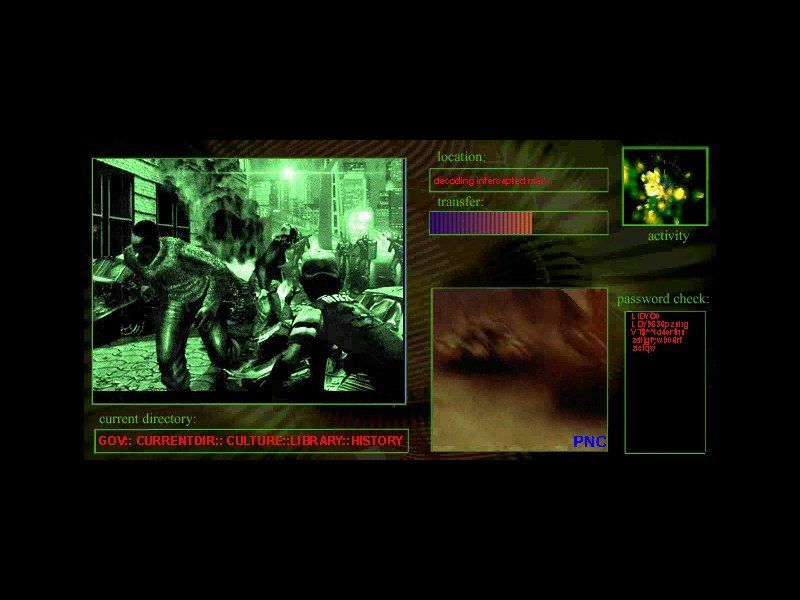
Outside of combat, the game shifts gears into a classic cyberpunk RPG structure. Dialogue trees with NPCs unfold into branching quests that range from data heists in the virtual realm to gritty street-level smuggling runs. Exploration isn’t purely combat-driven either; you can dive into cyberspace hubs, scavenge derelict blocks for valuable gear or uncover hidden lore about the all-powerful BigBrain supercomputer.
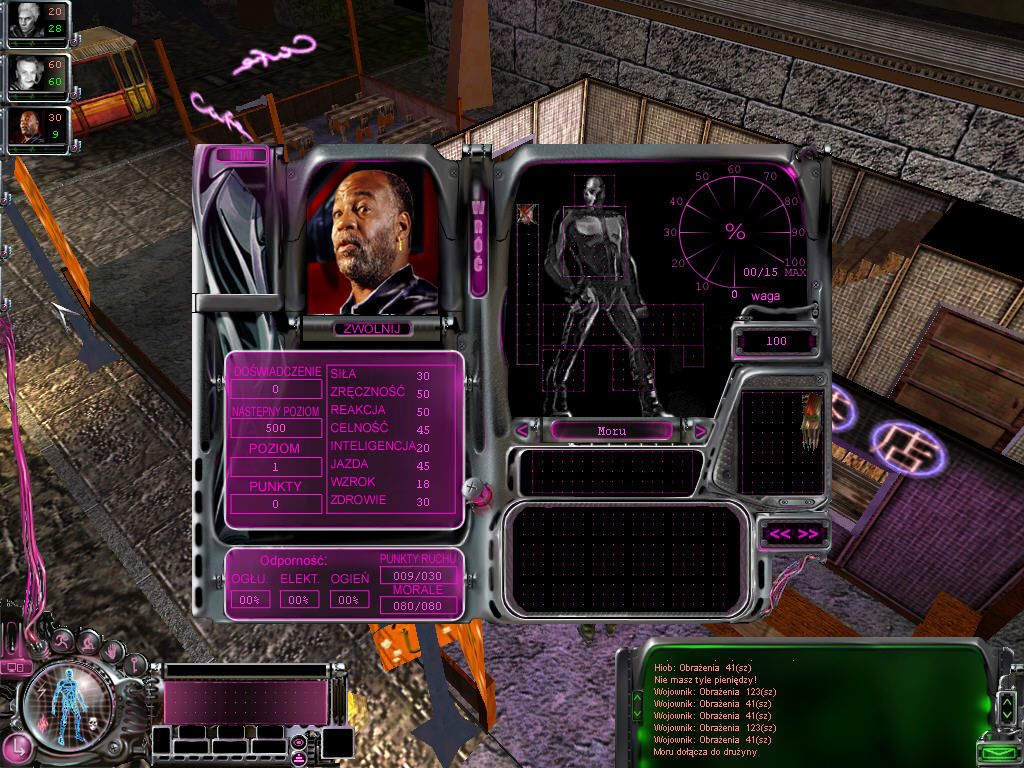
The learning curve may feel steep at first—managing both tactical loadouts and a roster of programmable skills requires attention to detail. Inventory management, character progression and the hacking interface all have their quirks, but once you master them, each encounter becomes a thrilling puzzle. The pacing alternates between intense firefights and methodical investigation, rewarding players who take the time to optimize both their equipment and their digital infiltration routines.
Graphics
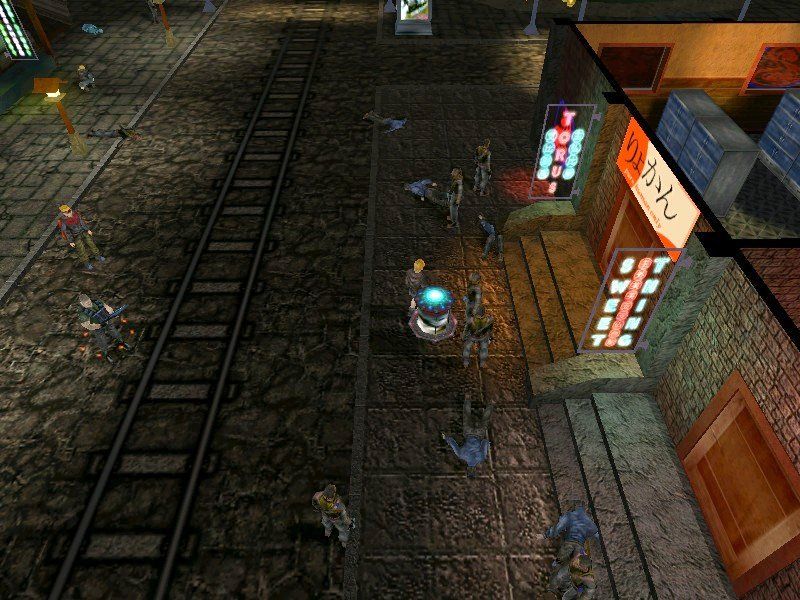
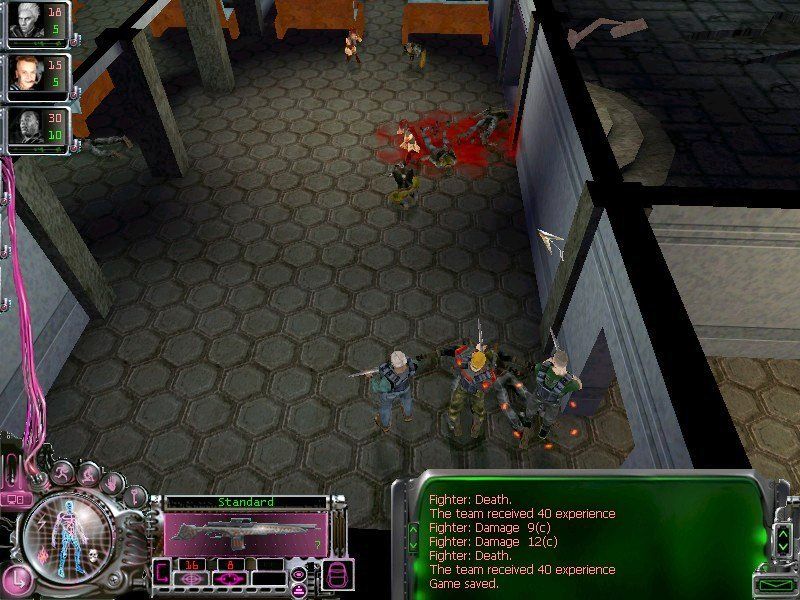
Visually, Paradise Cracked strikes a balance between gritty realism and neon-soaked cyberpunk flair. The game employs an isometric perspective that highlights the cluttered, overpopulated streets and grimy interiors of a world on the brink. Shadows dance across polluted alleyways, while cybernetic overlays and HUD elements glow in sharp contrast, underscoring the ever-present tension between physical reality and virtual escapism.
Character and environment models show their age in comparison to modern titles, but the art direction compensates with atmosphere. Subtle animations—flickering holo-ads, drifting smog and the occasional drone buzzing overhead—immerse you in the dystopian setting. Combat grids are clearly defined with color-coded tiles for movement and cover, ensuring tactical decisions are always visually intuitive.
Load times and resolution options are modest by today’s standards, yet the responsive UI and crisp pixel detailing make up for any technical shortcomings. Fans of retro and indie strategy games will appreciate how the aesthetic choices reinforce the setting: an overregulated paradise where humanity seeks solace in code rather than real-world progress.
Story
The narrative unfolds in a world suffocated by pollution, overcrowding and the omnipresent rule of BigBrain—a supercomputer initially designed to solve humanity’s ills that now puppeteers society. Citizens spend more time jacked into cyberspace than breathing real air, opting for digital comforts over actual innovation. This central premise sets the stage for a thought-provoking exploration of dependency, surveillance and the cost of false utopia.
You assume the role of a down-and-out hacker who accidentally unearths restricted data deep within a high-security cyberspace node. Moments after downloading the fragment, your apartment is stormed by corporate police, thrusting you into a deadly game of cat and mouse. From that point on, each mission peels back another layer of BigBrain’s secrets, introducing morally ambiguous allies and enemies who question whether true freedom lies in tearing down the system or rewriting its code.
Side quests flesh out the world with tales of resistance cells, virtual cults and black-market tech traders. While some optional missions can feel repetitive—fetching data shards or escorting NPCs through hostile zones—key story arcs deliver satisfying twists. By the time you confront the core of BigBrain’s directives, you’ll have made hard choices that echo the game’s overarching theme: paradise at what price?
Overall Experience
Paradise Cracked caters to a niche audience that relishes methodical, turn-based strategy wrapped in a cyberpunk skin. Its hybrid gameplay keeps you engaged whether you’re juggling skill trees in cyberspace or laying down suppressive fire on the streets. Although the interface and graphics may feel dated, the core systems are robust enough to offer dozens of hours of tactical and narrative depth.
The game’s biggest triumph lies in its world-building: a believable near-future dystopia where digital indulgence has stunted real-world progress. Conversations with NPCs are more than filler—they often spark new quests or reveal hidden mechanics. Meanwhile, the modular combat encounters encourage experimentation, from stealthy hacks that disable enemy turrets to all-out assaults with high-impact weapons.
If you’re seeking a retro-inspired RPG that marries cerebral tactics with a weighty storyline, Paradise Cracked is a compelling choice. It demands patience and strategic foresight, but rewards persistence with an engrossing cyberpunk saga that still feels remarkably relevant. For those who dream of outsmarting a malicious AI while dodging corporate enforcers, this title offers a challenging and thought-provoking journey into the heart of a manufactured paradise.


Reviews
There are no reviews yet.