 Retro Replay Retro Gaming History, Reviews & Emulation
Retro Replay Review
Gameplay
The first hour should tell you exactly what kind of strategy game this is. You are not gathering resources or laying out a base; you are commanding groups of archers, soldiers, and horsemen through a sequence of battlefield objectives. That narrower focus gives every unit placement more importance. A bad cavalry commitment or poorly positioned archers can turn a mission into a mess quickly.
Real Warfare: 1242 leans into traditional real-time tactics rather than trying to dilute it with too many systems. The core question is consistently practical: which troops should meet the immediate threat, and when should you hold something back? That makes it a good fit when you want to think about formations and battlefield roles rather than juggle an economy alongside them.
The campaign’s linear objectives are both its strength and its likely source of frustration. They give each of the eight historical-battle missions a clear direction, but they also leave less room to improvise your way around trouble. If you enjoy working out a designed tactical puzzle, that structure keeps the pace purposeful. If you need broad freedom in every strategy mission, it may feel restrictive.
Between battles, limited funds force a useful decision: improve the troops that have earned their place or replace what is no longer working. It is a modest layer of army management, but it matters because you cannot simply buy your way past weak tactics. The separate single missions and 24 historical factions also give you a reason to return after the campaign, especially if you want to test different forces without the campaign’s progression attached.

Graphics
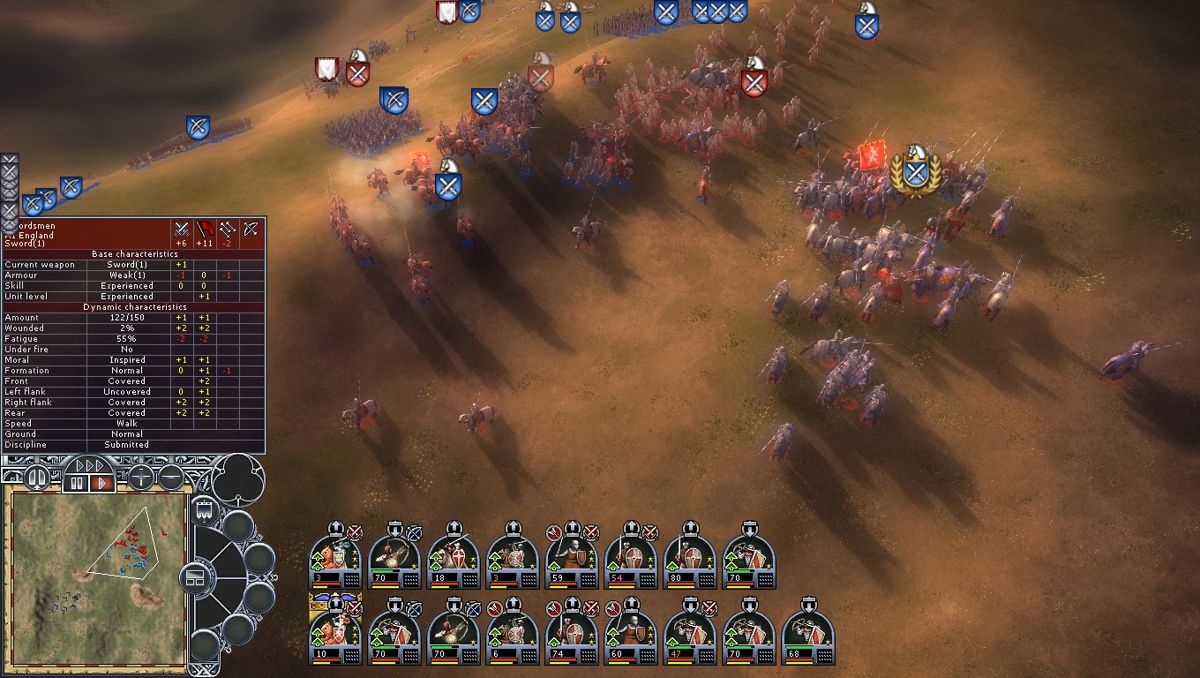
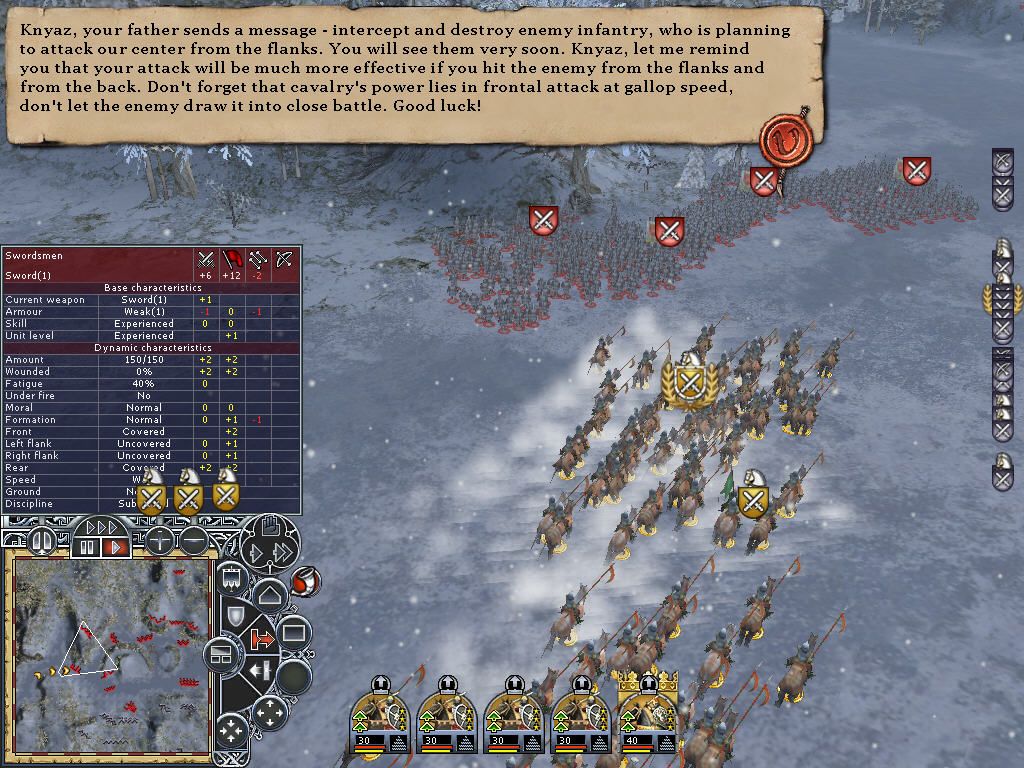
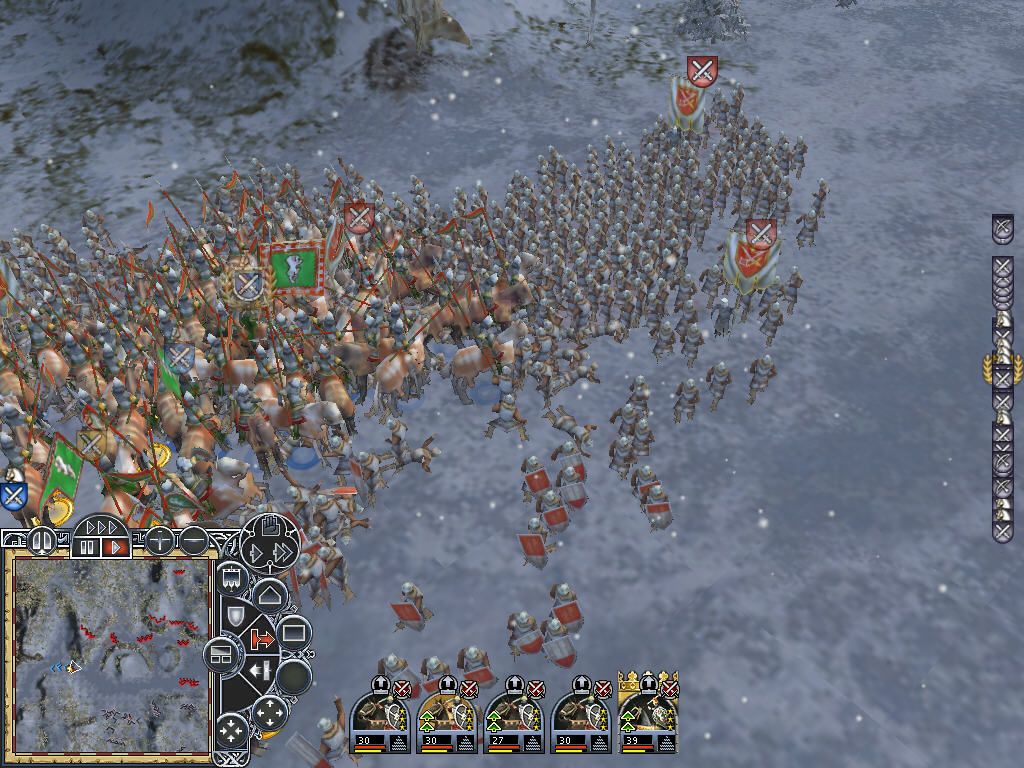
The diagonal-down battlefield view suits the subject well, keeping your controlled groups in view while you judge where archers, foot soldiers, and horsemen need to go. This is a practical war-game perspective built for following troop movement and battle lines.
Story
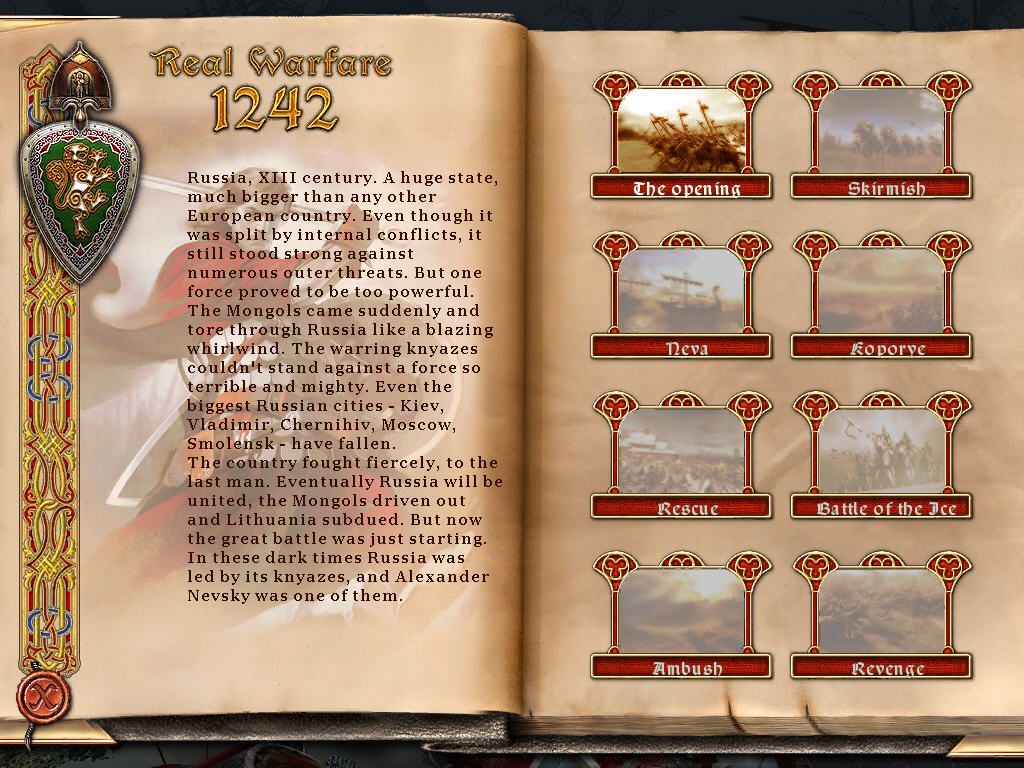
The campaign retells Alexander Newski’s resistance against the Mongol conquest of his country, giving the missions a stronger historical throughline than a collection of unrelated skirmishes. You move through eight battles based on real conflicts, with the war itself supplying the stakes.
That focus works because the game does not need to pretend it is a sprawling character drama. Its story is carried by the pressure of the campaign: each mission is another military problem inside a larger resistance. For a tactics game, that is often enough; the context makes victories feel like more than a completed checklist.
Still, the historical framing will land best for you if you already enjoy medieval warfare and campaigns built around famous conflicts. The narrative structure is direct and mission-led, matching the game’s preference for clear objectives over wandering or open-ended strategy.
Overall Experience
Real Warfare: 1242 is a focused real-time tactics game for someone who wants to command medieval troops, not manage a kingdom. Its best moments should come when a plan finally holds together: archers doing their job, soldiers absorbing pressure, and horsemen used with enough patience to matter.
The limited budget between missions adds consequence without pulling attention away from the battles themselves. At the same time, the linear campaign asks for patience. If a prescribed objective or a failed tactical approach irritates you, the game may feel harsher than its straightforward premise suggests.
Give it a chance if you liked old-school, mission-driven tactics games and want a historical campaign with a compact eight-battle structure. The payoff is a disciplined strategy experience that knows its lane and stays in it, with extra single missions available when you want more armies to command.


Reviews
There are no reviews yet.