 Retro Replay Retro Replay gaming reviews, news, emulation, geek stuff and more!


Retro Replay Review
Gameplay
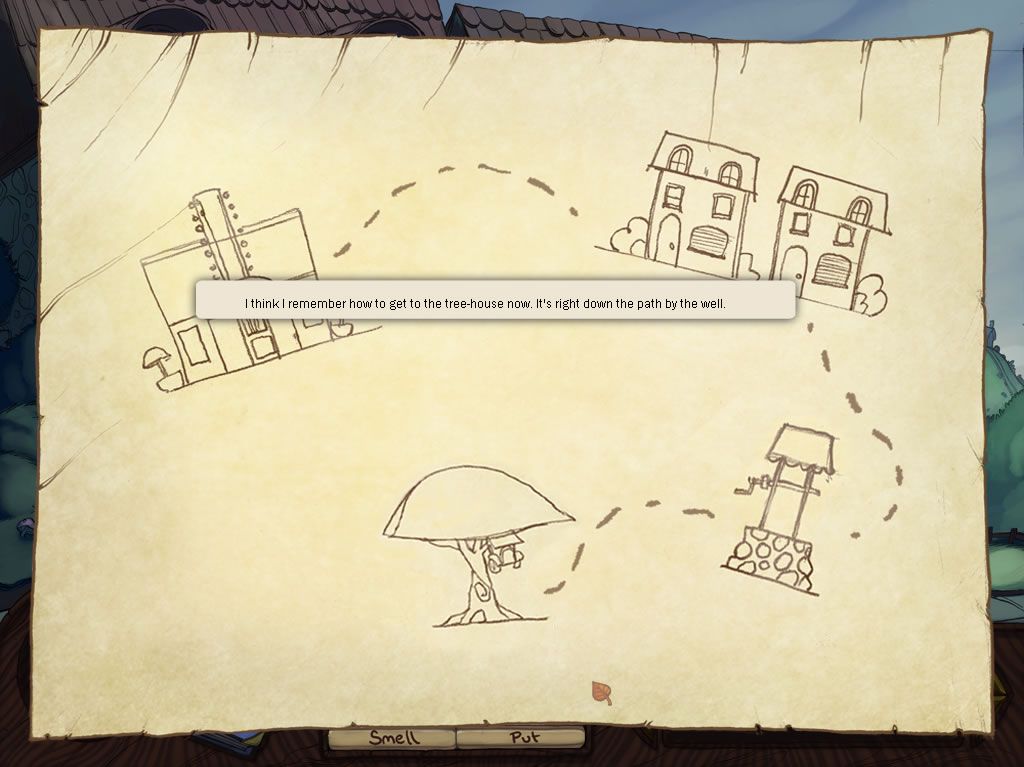
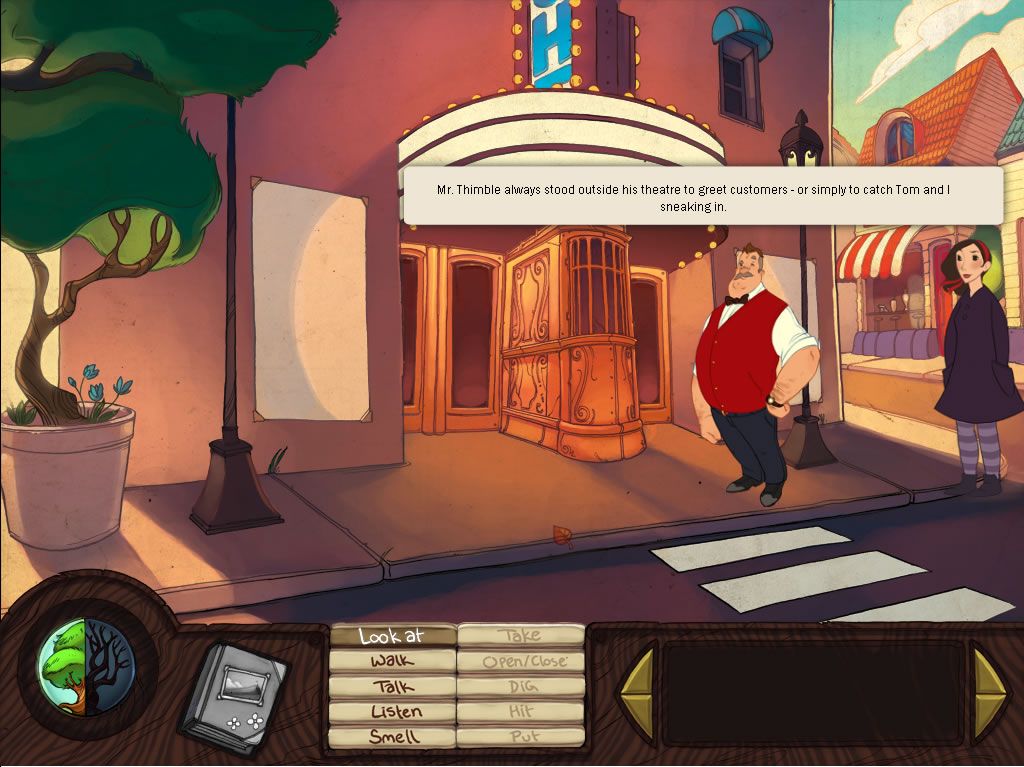
Rosemary delivers a classic point-and-click adventure structure enriched by an inventive memory-retrieval mechanic. Players navigate three initially unlocked locations in the deserted town of New Rye, scanning the environment for interactive hotspots. A simple but effective interface at the bottom of the screen lets you choose actions like “look at,” “take,” or “talk,” ensuring that the pace remains deliberate and contemplative rather than frantic.
(HEY YOU!! We hope you enjoy! We try not to run ads. So basically, this is a very expensive hobby running this site. Please consider joining us for updates, forums, and more. Network w/ us to make some cash or friends while retro gaming, and you can win some free retro games for posting. Okay, carry on 👍)
What truly sets Rosemary apart is the ability to flip between present-day New Rye and Rosemary’s childhood memories. By clicking the memory-button in the lower left corner, you instantly recall younger versions of locations, complete with NPCs and events from your past. This dual-world exploration deepens the puzzles: an object you pick up in the present might only make sense when viewed through the lens of your childhood recollections.
Puzzles are well-crafted, blending environmental observation with inventory-based challenges and diary-photo placement. As you uncover photographs scattered throughout each scene, you slot them into pages of Rosemary’s diary. Correctly arranging these images completes diary entries, offers new clues, and sometimes alters the environment—unlocking fresh pathways or revealing hidden objects. The game’s difficulty feels balanced, making it accessible to newcomers while still rewarding careful attention.
Graphics
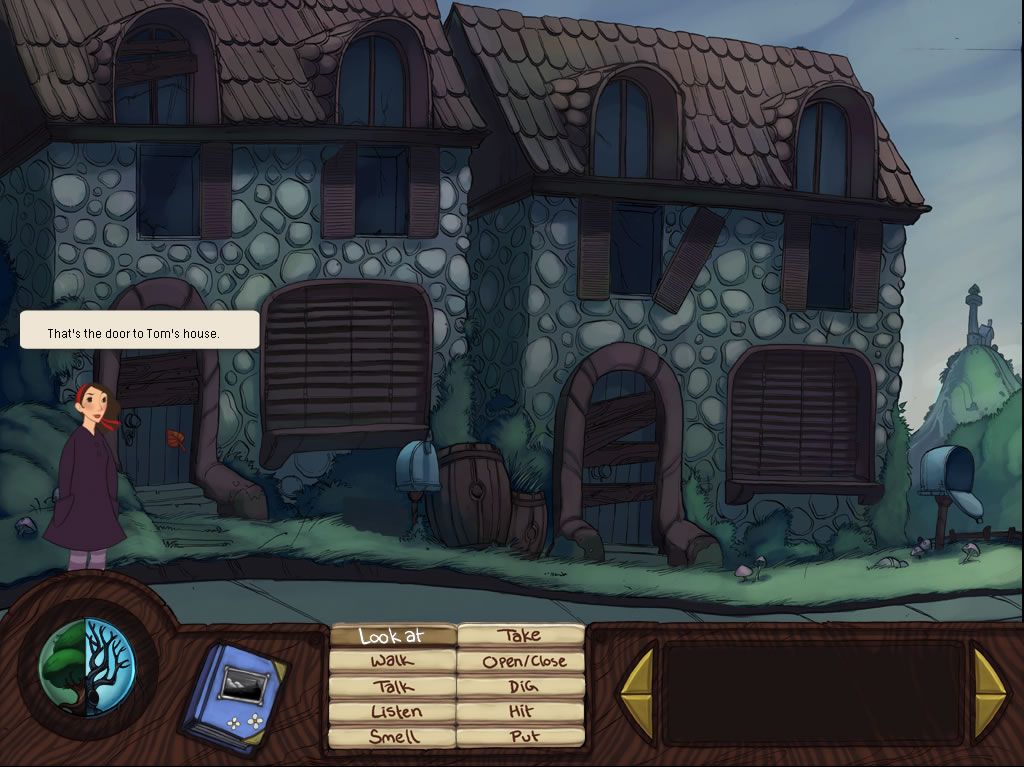
Visually, Rosemary opts for a painterly, hand-drawn aesthetic that suits its introspective tone. Modern-day New Rye is rendered in muted colors and subtle lighting, emphasizing the town’s emptiness and the sense of loss at the game’s core. Cracked sidewalks, overgrown foliage, and dilapidated buildings all contribute to an atmosphere that feels simultaneously melancholic and intriguing.
Switching to the memory world bathes scenes in warmer, more vibrant hues. Children playing, laughter echoing through sunlit streets, and vibrant decorations evoke the simplicity and warmth of youthful days. The contrast between past and present is striking without ever feeling gimmicky, and it continually reinforces the game’s central theme of rediscovery.
Character animations are modest but purposeful—Rosemary’s subtle head turns, a flicker of surprise when she uncovers a key photo, or the ghostly shimmer of memory overlays all add emotional depth. While the framerate remains steady and transitions are smooth, minor hitches can occur when loading new areas. These interruptions are fleeting, though, and rarely disrupt the overall immersion.
Story
At its heart, Rosemary is a tale of childhood friendships, forgotten promises, and the bittersweet ache of memory loss. The narrative begins simply—a photograph of a long-lost friend triggers questions about where that friend might be now. As you trace Rosemary’s footsteps through New Rye, fragments of dialogue and diary entries paint a picture of youthful camaraderie, sudden departures, and the passage of time.
The diary mechanic doesn’t just serve as a puzzle-solving tool; it also structures the story’s emotional beats. Each time you place a photo correctly, you unlock a piece of text that deepens your understanding of Rosemary’s past. These snippets vary from lighthearted anecdotes to more poignant reflections, giving the narrative a lyrical quality that resonates well beyond the short playtime.
While Rosemary’s overarching mystery remains straightforward, the game excels in its subtle storytelling. Environmental details—a child’s abandoned toy, scrawled graffiti in a back alley, or a faded sign above a boarded-up shop—work in concert with the main plot to suggest a richer backstory. By the time the final memory falls into place, the game’s emotional pull is remarkably strong, leaving you reflecting on your own memories and lost connections.
Overall Experience
Rosemary is a compact but heartfelt point-and-click adventure that feels more like an interactive short story than a conventional game. Clocking in at around two to three hours, it’s perfect for players who appreciate narrative-driven experiences without heavy time commitments. The memory-travel mechanic remains engaging from start to finish, and the puzzle difficulty sits at a sweet spot—offering moments of genuine “aha!” satisfaction without pulling you into frustration.
Some players might wish for broader exploration or more branching paths, but Rosemary’s linear design ensures that the emotional impact remains focused and coherent. The modest technical hiccups—like occasional loading pauses—are the only mild blemishes on an otherwise polished presentation. Audio design deserves praise too: a sparse, melancholic score and ambient sound effects complement the game’s reflective mood.
For fans of narrative adventures and anyone intrigued by themes of memory and childhood, Rosemary represents a memorable journey worth taking. Its blend of thoughtful puzzles, evocative art, and emotional resonance makes it a standout indie experience. If you’re seeking a game that marries nostalgia with clever design and leaves a lasting impression, Rosemary is ready to guide you back to the memories you never knew you needed.


Reviews
There are no reviews yet.