 Retro Replay Retro Replay gaming reviews, news, emulation, geek stuff and more!
Retro Replay Review
Gameplay
Sacred: Underworld builds on the core hack-and-slash mechanics of the original Sacred, introducing fresh layers of depth by requiring a level 25 character or one of the predefined level-25 heroes. This necessity ensures that players dive into Underworld with an existing toolkit of skills and gear, instantly ready to tackle the expanded challenges. Whether you’ve earned your character’s stripes in the overworld or opted for a prebuilt hero, progression feels immediate and rewarding.
(HEY YOU!! We hope you enjoy! We try not to run ads. So basically, this is a very expensive hobby running this site. Please consider joining us for updates, forums, and more. Network w/ us to make some cash or friends while retro gaming, and you can win some free retro games for posting. Okay, carry on 👍)
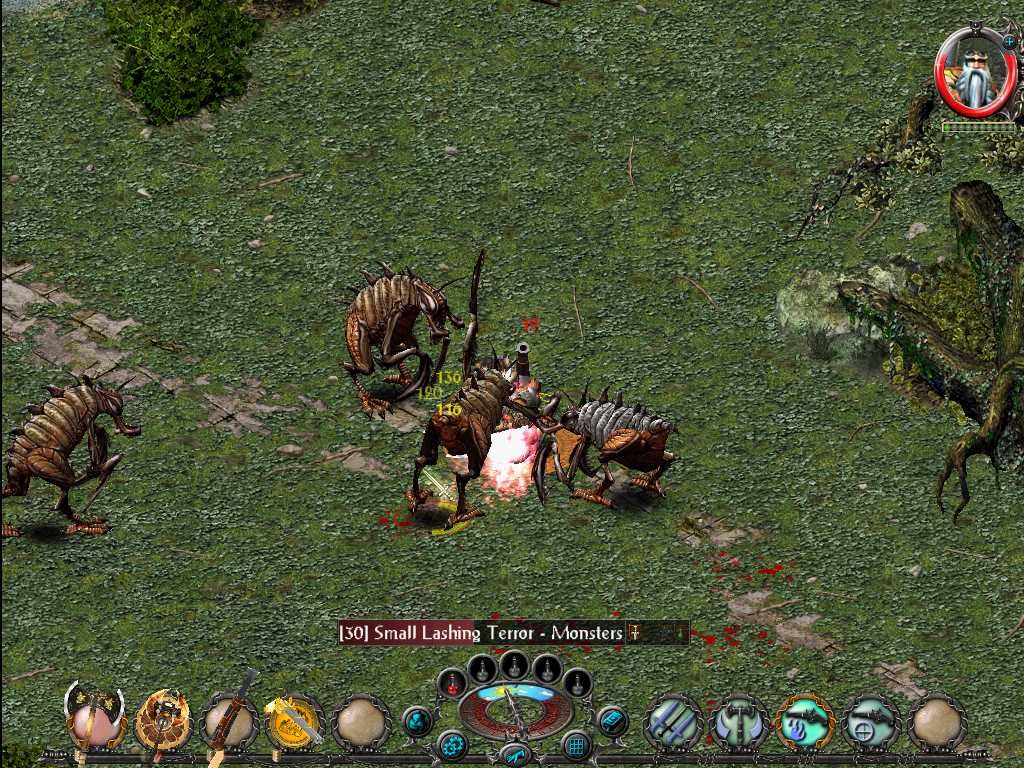
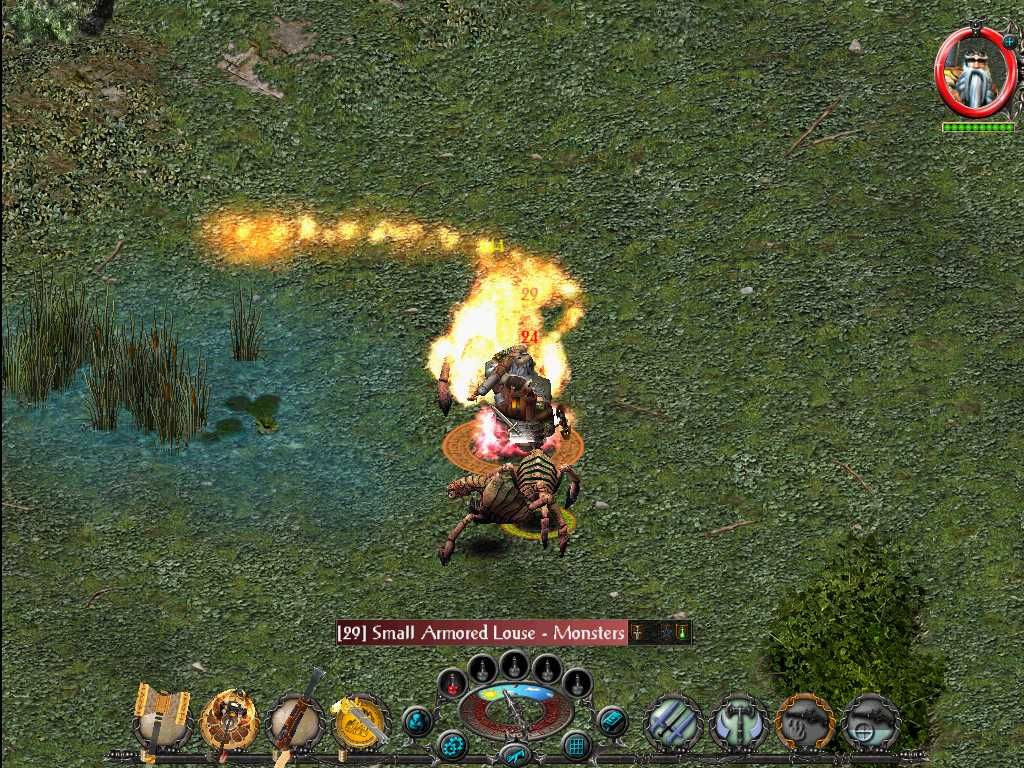
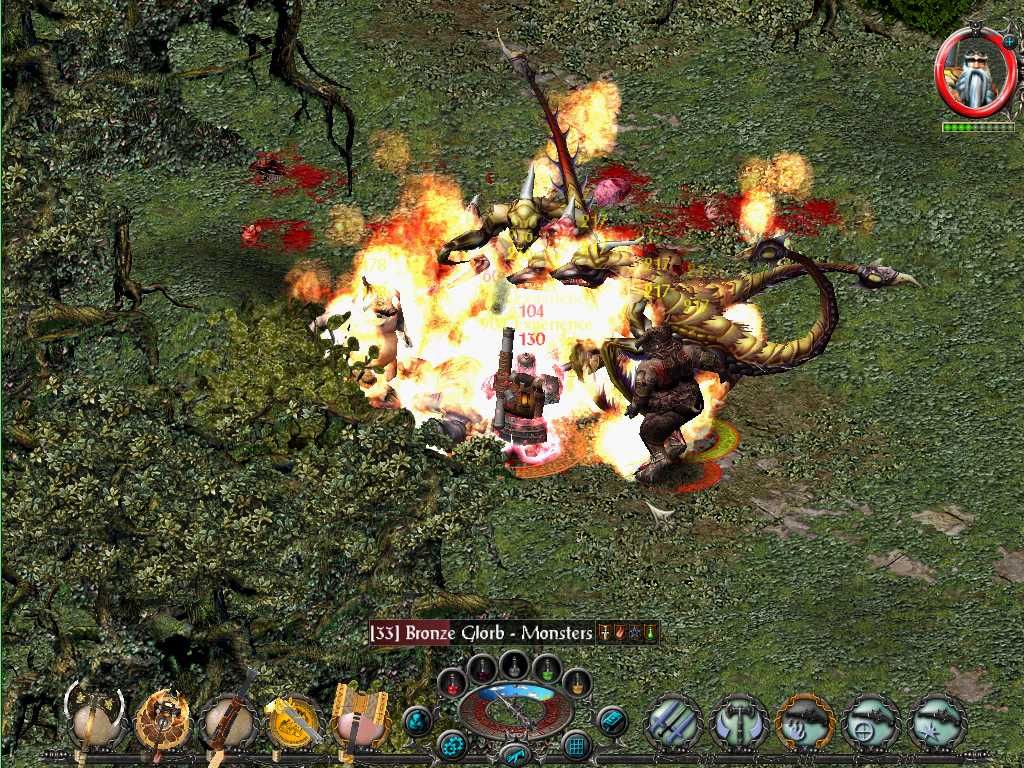
The standout additions are the two new character archetypes: the Dwarf and the Daemon. The Dwarf trades blades and brute strength for an arsenal of unconventional weaponry—flamethrowers, muskets, and deployable mines. These gadgets not only diversify the single-player approach but also shine in multiplayer sessions, where well-placed mines can turn the tide of skirmishes. The Dwarf’s playstyle encourages strategic positioning and resource management, a welcome contrast to the relentless button-mashing of many action RPGs.
In contrast, the Daemon exists in three distinct forms—Battle, Soaring, and Fire—each with unique abilities that players can switch between on the fly. The Battle Daemon excels in close-quarters combat, the Soaring Daemon takes to the skies for hit-and-run tactics, and the Fire Daemon unleashes area-of-effect spells to control crowds. This “one-click transformation” mechanic makes adapting to different enemy types and dungeon layouts intuitive and engaging, giving seasoned players a dynamic edge in both solo and co-op play.
Graphics
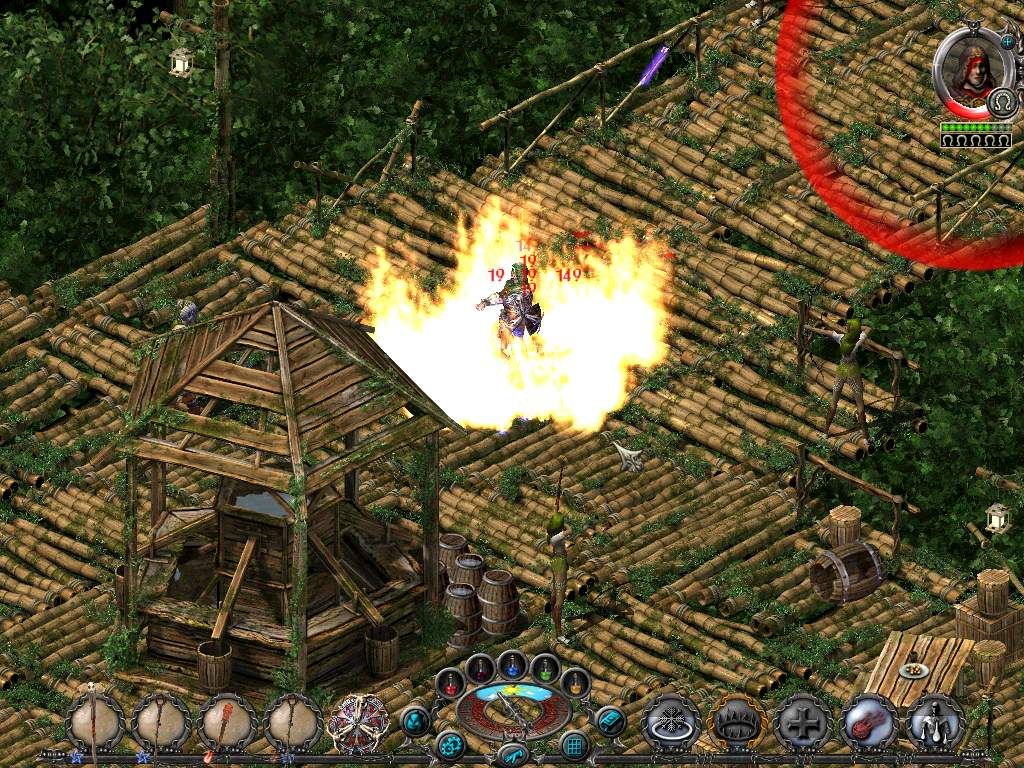
Visually, Underworld does more than just reuse assets from its parent game; it plunges you into the eerie depths beneath Ancaria with remastered textures and atmospheric lighting. The cavernous tunnels are bathed in moody hues—glowing fungi illuminate damp walls, while flickering torches cast long shadows over ancient bone-piled hallways. This aesthetic shift from sunlit fields to subterranean gloom is both immersive and unsettling.
Character models remain detailed, and the new Daemon transformations come with distinct particle effects that pop on screen without causing performance issues. Whether you’re raining fireballs as the Fire Daemon or watching flaming embers swirl around your Dwarf’s mines, the visual feedback is crisp and satisfying. Even on mid-range hardware, Underworld maintains stable framerates, ensuring that the action stays fluid when the screen fills with enemies.
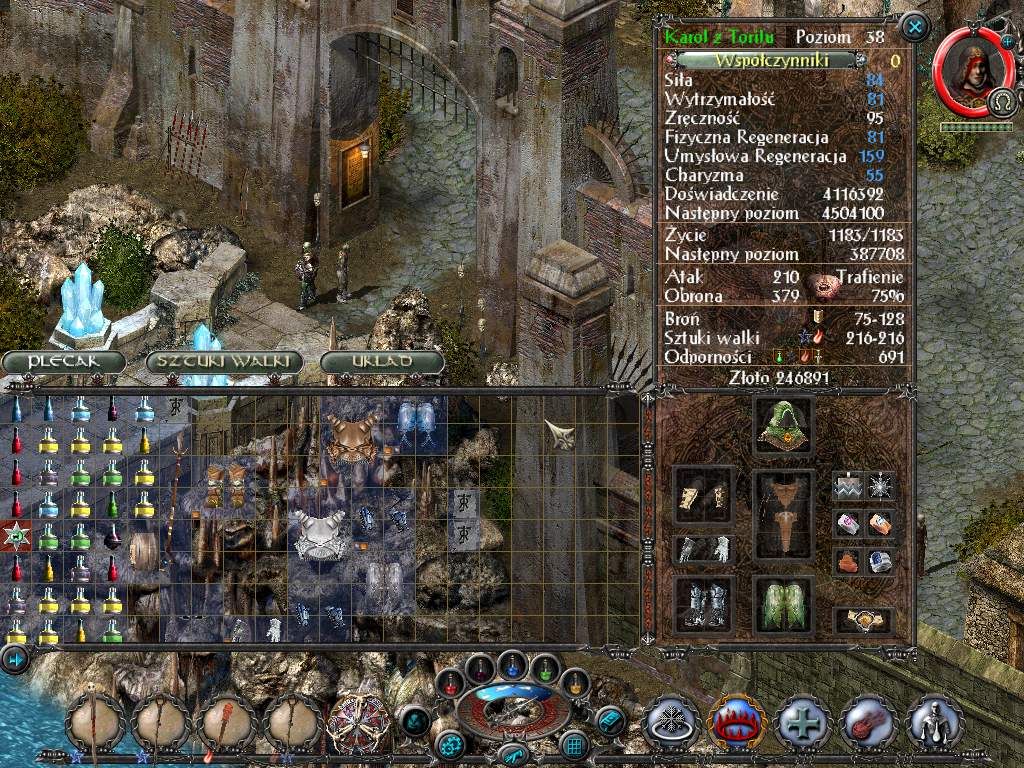
The UI retains its intuitive layout, though new icons for Daemon forms and Dwarf gadgets require a brief learning curve. Menus are responsive, and item tooltips clearly differentiate between overworld gear and Underworld exclusives. Overall, the graphical enhancements strike a balance between fidelity and performance, making each dungeon crawl a visually memorable experience.
Story
Set shortly after the events of Sacred, Underworld picks up the narrative thread with Ancaria facing a subterranean menace threatening to spill into the kingdom above. While the base game dealt with surface-level politics and demonic incursions, this expansion explores the hidden catacombs beneath Qaragh, where unspeakable horrors lurk. The lore is rich enough to propel you forward but leaves room for players to piece together history through environmental clues and optional side quests.
Storytelling in Underworld leans heavily on atmosphere and discovery rather than lengthy cutscenes. Journals, inscriptions on ruined pillars, and NPC dialogues scattered throughout the dungeons give context to the Daemon’s origins and the Dwarf’s motivations. This approach rewards exploration and adds layers to the world without bogging down the momentum of combat-focused gameplay.
While the main questline is relatively concise—designed to be completed in a handful of hours—it seamlessly ties back into the overarching Sacred mythos. Veterans will appreciate nods to key events from the original game, while newcomers gain a succinct but coherent narrative that invites them to return to the surface and confront the larger stakes in Ancaria.
Overall Experience
Sacred: Underworld stands out as a high-quality add-on that respects the original’s strengths while introducing compelling new mechanics. The requirement of a level 25 character ensures that only players who have mastered core systems can access its deeper challenges—boosting both replayability and satisfaction. Newcomers, however, can jump in via the preset heroes, making the expansion accessible to those who want instant gratification.
The dual additions of the Dwarf and the multi-form Daemon create distinct playstyles that feel fresh without discarding the base game’s archetypal roles. Whether you’re laying out intricate minefields or swooping above enemies as a Soaring Daemon, each run through the Underworld delivers memorable moments. Multiplayer sessions, in particular, benefit from the synergy between gadget-wielding Dwarves and spell-casting Daemons, fostering teamwork and tactical depth.
Graphically robust and narratively engaging, Underworld delivers an ideal blend of hack-and-slash action and world-building. It might not reinvent the wheel, but it polishes the Sacred formula to a fine sheen, offering fans—and even skeptical newcomers—a worthy underground journey. If you’re eager to delve deeper into Ancaria’s secrets and sharpen your high-level character’s toolkit, Sacred: Underworld is a must-have expansion.


Reviews
There are no reviews yet.