 Retro Replay Retro Replay gaming reviews, news, emulation, geek stuff and more!

Retro Replay Review
Gameplay
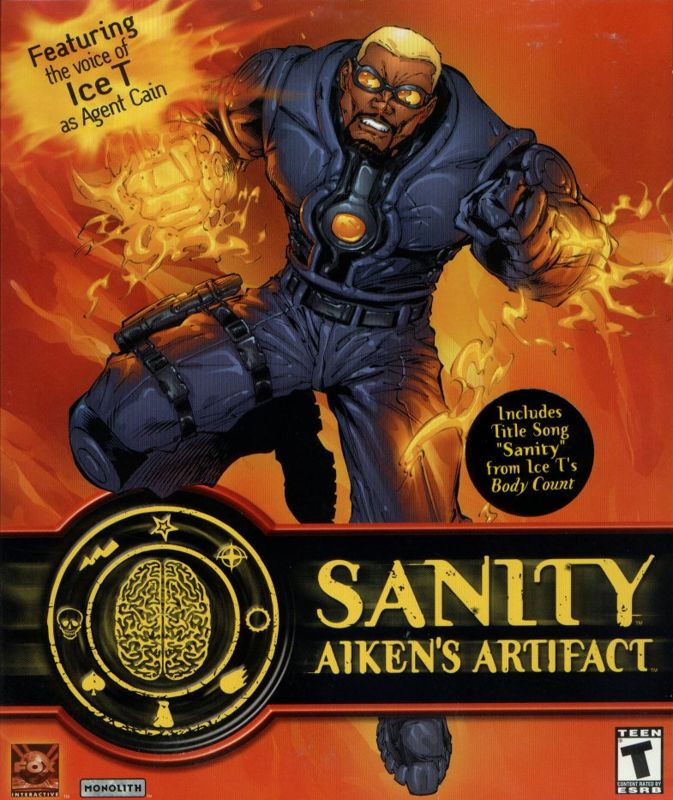
Sanity: Aiken’s Artifact delivers a fast-paced blend of action, puzzle-solving, and light RPG mechanics that keeps players engaged from start to finish. You control Cain, one half of the twin brothers at the heart of the “Children of Tomorrow” project, as he infiltrates the Eye of Ra’s fortress. Combat is predominantly ranged, alternating between conventional firearms and an impressive arsenal of psychic talents. Switching fluidly between shooting and mind-bending powers creates a dynamic combat loop that rewards strategy as much as reflexes.
(HEY YOU!! We hope you enjoy! We try not to run ads. So basically, this is a very expensive hobby running this site. Please consider joining us for updates, forums, and more. Network w/ us to make some cash or friends while retro gaming, and you can win some free retro games for posting. Okay, carry on 👍)
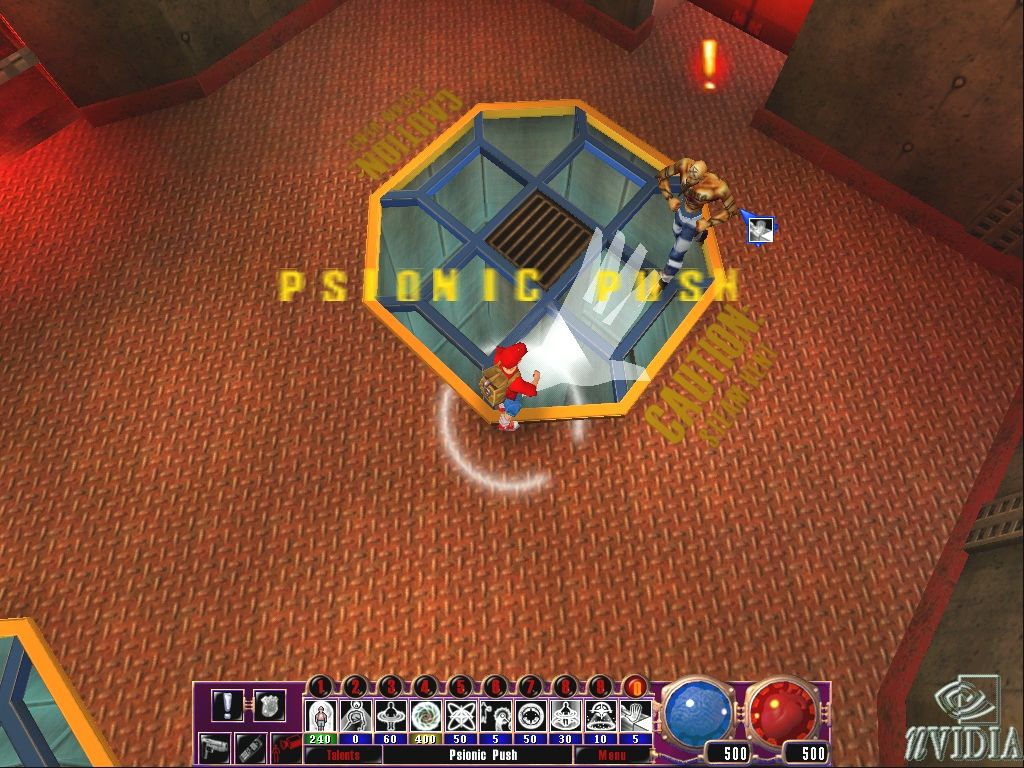
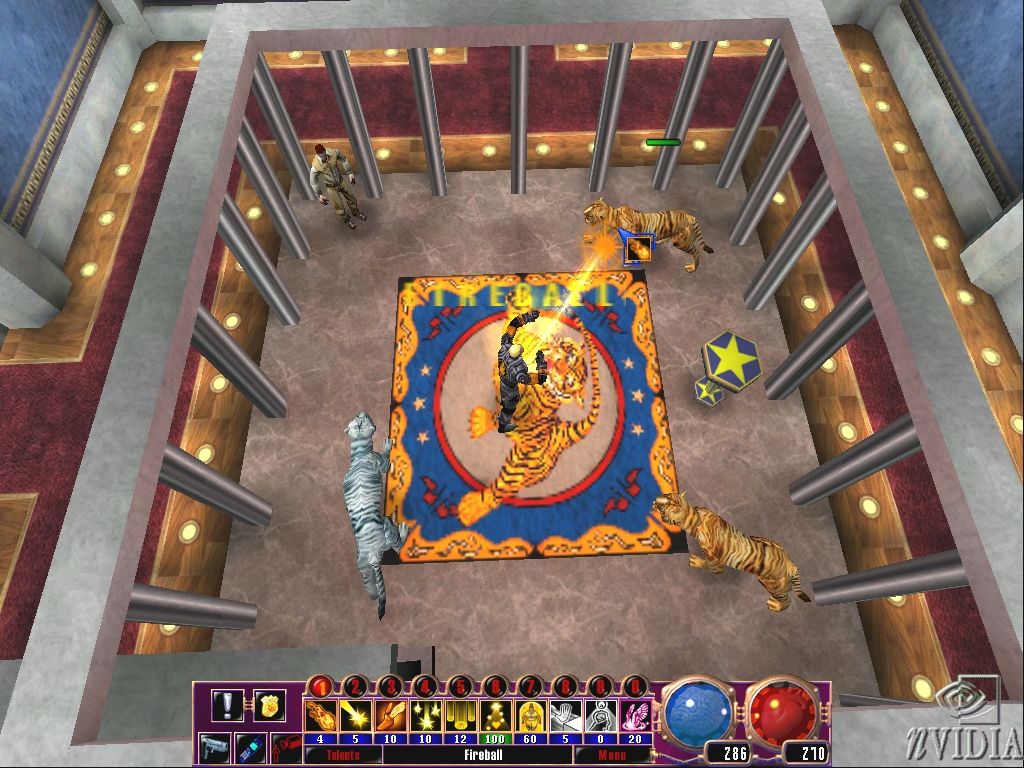
The talent system is the game’s most compelling feature. Cain collects talent cards across six distinct schools—Fire, Sun, Illusion, Science, Demonology, and more—and each card unlocks new abilities, from explosive fireballs to stealth-inducing cloaks. Upgrading these talents feels meaningful; investing in a particular path drastically changes your approach to both combat and environmental puzzles. For example, the Telekinesis talent allows you to levitate heavy objects and create improvised cover, while Illusion skills can distract or disorient groups of enemies.
Puzzle-solving elements are woven seamlessly into the experience. Certain areas require you to use psychic skills to manipulate the environment—levitating platforms to reach high ledges, generating holographic decoys to activate distant switches, or using electromagnetic pulses to reroute power. These sequences break up the combat rhythm and encourage creative use of your growing talent repertoire. The checkpoint system is generous, so experimenting with different abilities never feels overly punishing.
On higher difficulties, resource management becomes a crucial part of gameplay. Ammo and healing items are limited, and psychic power drains with each use, forcing you to balance brute force with tactical restraint. This tension elevates encounters with Eye of Ra operatives and end-of-level bosses, where mastering your talent loadout can mean the difference between a triumphant advance and a costly checkpoint restart.
Graphics
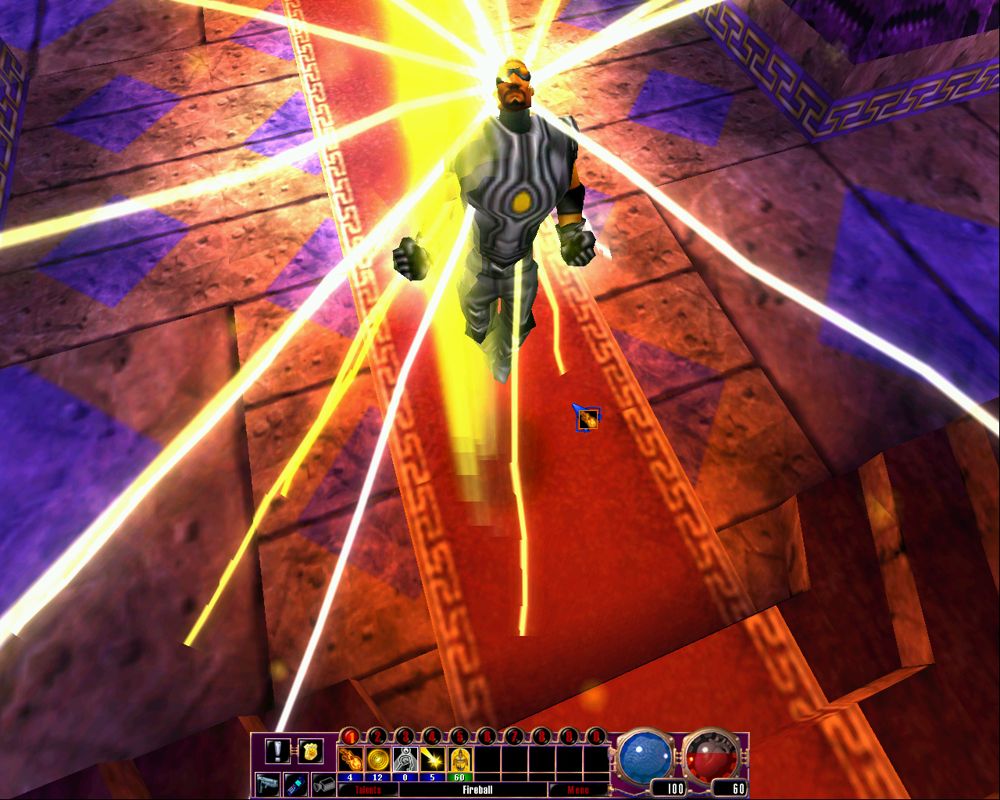
Sanity’s fully 3D, top-down perspective is reminiscent of classic tactical action titles, yet it brings a modern polish that stands out. Character models for Cain, his allies, and the Eye of Ra agents are intricately detailed, with subtle animations—like flickering psychic auras around Cain’s eyes—that underscore the supernatural theme. Environments range from sterile lab complexes to crumbling ancient temples, each rendered with distinct color palettes that guide the eye and reinforce the narrative tone.
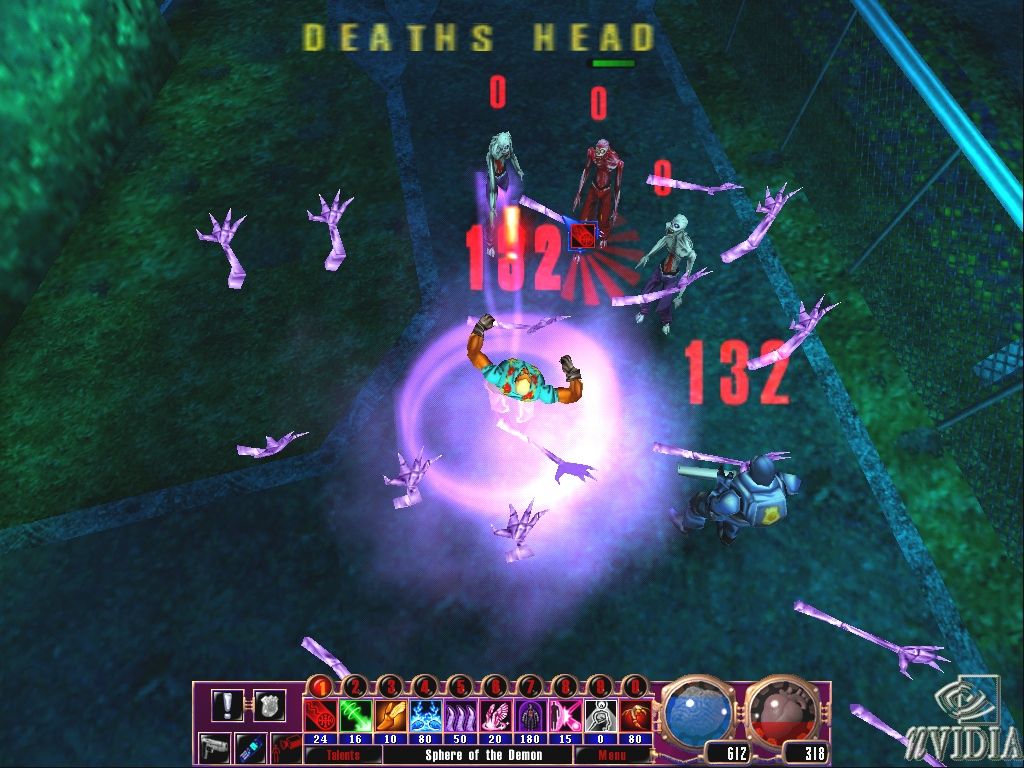
Lighting and particle effects shine in combat situations. Fire talents produce realistic flames that cast dynamic shadows, while Demonology spells unleash swirling dark energy that distorts the screen edges. Explosions, gunfire, and psychic blasts all emit satisfying visual feedback. During puzzle segments, the game often highlights interactable objects with a soft glow, seamlessly integrating UI cues into the 3D space without cluttering the screen.
While the frame rate is mostly stable, a few densely populated enemy encounters can dip slightly on mid-range hardware. However, the developers have included a range of graphics options—shadow quality, texture resolution, post-processing filters—so players can optimize performance to their system. Textures on walls and floors sometimes appear a bit repetitive, but clever environmental design and color variation distract from such minor shortcomings.
Cutscenes blend in-engine footage with illustrated story panels, offering narrative beats without feeling disconnected from gameplay. Voice acting is solid, especially during tense moments when Cain confronts the moral complexity of hunting down his own brother’s followers. Overall, the visual presentation successfully marries sci-fi laboratory aesthetics with mystical overtones, creating a coherent world that invites exploration.
Story
At the narrative core of Sanity lies the fractured bond between twin brothers Cain and Abel. Injected with a serum as infants to awaken psychic “talents,” they diverge in adulthood: Cain becomes an elite agent for the Children of Tomorrow project, while Abel turns to crime. This familial rift drives the emotional stakes, especially as you learn more about Dr. Joan Aiken’s controversial experiments and the ethical quandaries behind creating superhumans.
The Eye of Ra emerges as a radical organization that seeks to expose the moral failings of the Children of Tomorrow. Their leader, a charismatic yet ruthless figure, believes that tampering with infant brains violates the natural order. As Cain, you infiltrate their stronghold to neutralize this threat, but each chapter reveals moral gray areas. Flashbacks to Cain and Abel’s childhood deepen the tragedy, hinting at choices that shaped their destinies.
Dialogues are well-written, balancing action-driven urgency with philosophical reflections on power, control, and free will. Supporting characters—fellow agents, rogue psychics, and Eye of Ra dissidents—add texture to the plot, though some of their story arcs feel slightly underexplored. Still, the pacing keeps you invested, with plot twists timed to coincide with major gameplay shifts, such as gaining a new talent category or infiltrating a high-security vault.
The ending avoids a simplistic good-versus-evil resolution, instead offering multiple outcomes based on key decisions and talent upgrades during critical missions. Whether you sympathize with Cain’s duty or question the Children of Tomorrow project, the game successfully prompts reflection on the cost of power—both psychic and political.
Overall Experience
Sanity: Aiken’s Artifact stands out as a unique fusion of action, puzzles, and light RPG progression. Its core strength lies in the psychic talent system, which consistently encourages experimentation and personalization. Whether you prefer laying waste to enemies with Fire spells or manipulating the battlefield through Illusion and Science talents, each playstyle feels viable and fun.
The top-down, fully 3D presentation is both functional and stylish, offering clear combat visibility while immersing you in a world of shady laboratories and mystical temples. Minor frame-rate drops and occasional repetitive textures are easily outweighed by the game’s striking visual effects and coherent art direction. Sound design and voiceovers further enrich the atmosphere, making tense missions truly gripping.
Narratively, Sanity balances a personal family drama with broader ethical questions about scientific overreach. While not every side character gets full development, the central conflict between Cain and Abel provides enough emotional weight to drive you through its dozen-odd hours of content. Multiple endings based on your in-game choices add replay value for those who seek different narrative outcomes.
For players seeking an action-packed adventure with a clever twist on psychic powers, Sanity: Aiken’s Artifact offers an inviting experience. Its blend of fast-paced combat, environmental puzzles, and card-based talent customization ensures that no two playthroughs feel exactly the same. If the premise of twin psychics caught your interest, this game delivers on its promise with style, substance, and a dash of moral complexity.


Reviews
There are no reviews yet.