 Retro Replay Retro Replay gaming reviews, news, emulation, geek stuff and more!




Retro Replay Review
Gameplay
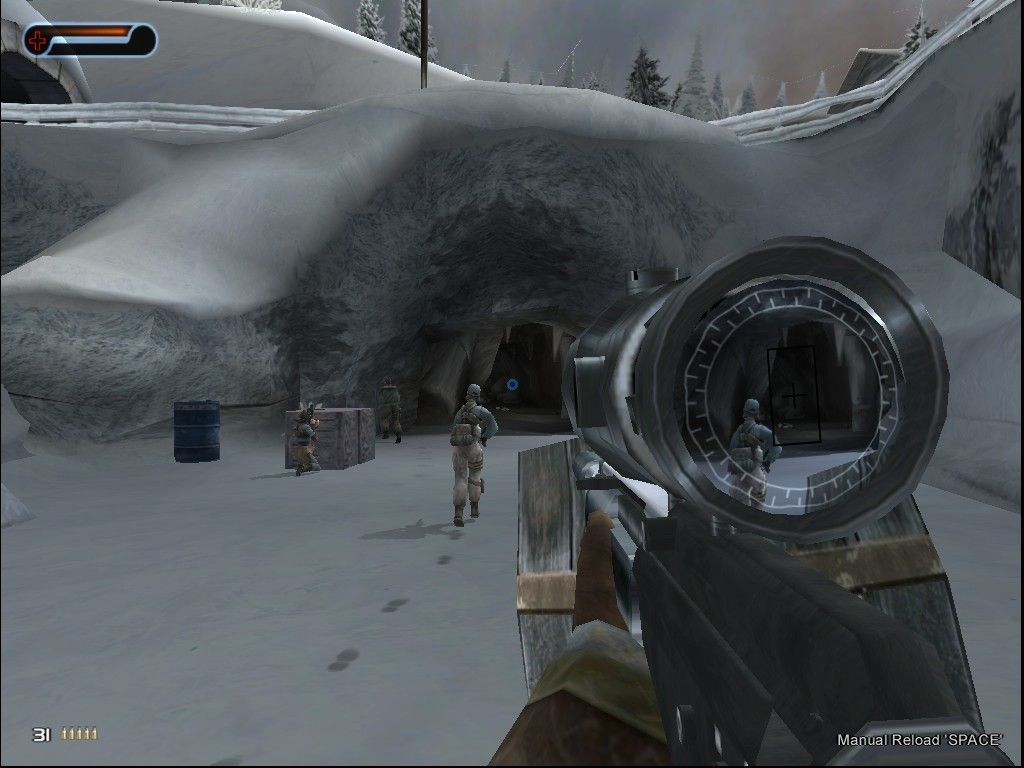
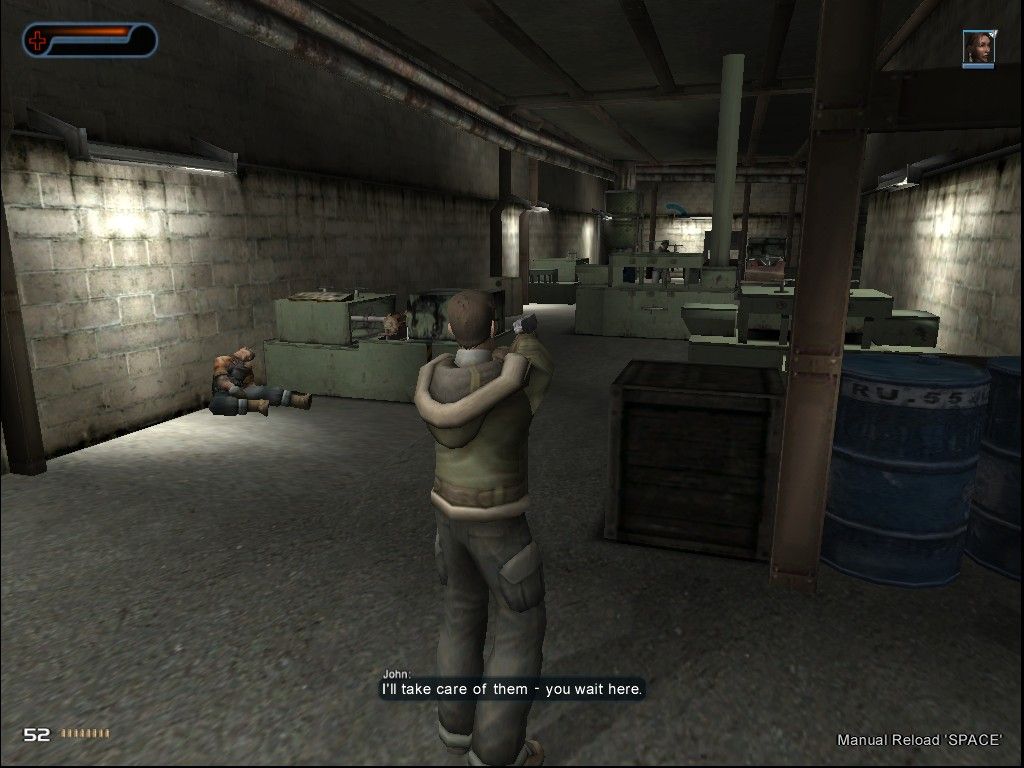
Second Sight weaves together stealth, shooter mechanics and a suite of psychic powers to create a flexible, emergent experience. You control John Vattic from a third-person perspective most of the time, with the option to switch to first-person when lining up precise shots or gauging the range of your telekinetic throws. Levels are designed so you can choose a stealthy route past unaware guards, go in guns blazing with conventional weapons, or manipulate the battlefield with powers like mind control and telekinetic barriers.
(HEY YOU!! We hope you enjoy! We try not to run ads. So basically, this is a very expensive hobby running this site. Please consider joining us for updates, forums, and more. Network w/ us to make some cash or friends while retro gaming, and you can win some free retro games for posting. Okay, carry on 👍)
The addition of psychic abilities—telekinesis, healing, charm, projection and possession—adds genuine depth to encounters. Early in the game you might sneak through vents to bypass alarms, but later you’re tossing crates at sentries or possessing enemies to turn them into unwitting allies. These powers feel earned as your memory returns, and mixing them with firearms offers satisfying variety: stun a guard with a psi-blast, then finish him off silently.
Controls are generally intuitive, though juggling weapons and powers can occasionally feel clunky, especially when you’re under fire. Enemy AI reacts believably to both gunshots and psionic disturbances, prompting you to improvise on the fly. Whether you’re piecing together clues in a locked-down facility or executing a dive-roll between sniper lines, Second Sight keeps you invested through its balance of stealth, combat and supernatural tactics.
Graphics
Upon its original release, Second Sight’s graphics impressed with moody lighting and detailed environments that capture the cold, claustrophobic feel of a high-security medical facility. Dim corridors are punctuated by flickering monitors and pulsating bio-chambers, while snowy Siberian landscapes in flashbacks use weather effects to underscore the harshness of John’s past. The visual contrast between flashback and present-day segments helps reinforce John’s fractured memory.
Character models and animations are solid for their era, with realistic weight in John’s movements and convincing muzzle flashes when you swap to a rifle. Psychic powers introduce stylized visual flourishes—distorted heatwaves for telepathy, slow-motion pull effects for telekinesis, and ghostly trails when you project your spirit. These effects remain one of the game’s most memorable aspects and still look striking against the drab facility backdrops.
On modern hardware you may notice lower polygon counts and occasional texture pop-in, but these shortcomings are outweighed by the strong art direction. Environmental set pieces—from a neon-lit lab to a frozen outpost—vary enough to keep exploration visually engaging. Overall, the graphics hold up as a testament to creative design over raw horsepower.
Story
Second Sight’s narrative hooks you from the moment John Vattic wakes, confused and chained in a medical bay. As memories return in playable flashbacks, you learn about WinterICE, a covert military unit in Siberia tasked with locating a scientist who has mastered psychic research. The back-and-forth structure deepens the mystery, revealing key character moments in context rather than through static cutscenes.
Writer Chris Avellone and team balance high-concept sci-fi with grounded emotional beats—John’s desperation to clear his name, guilt over collateral damage, and the ethical quandaries of weaponizing psychic ability. Supporting characters in WinterICE range from loyal soldiers to ambiguous double agents, and the game thrives on that moral ambiguity: are you a hero fighting for justice, or a weapon caught in forces beyond your control?
Voice performances are earnest, with John’s staccato desperation contrasting the measured calm of the scientist and the brusque commands of military leaders. While some dialogue can feel expository, key moments—like your first successful possession or confrontations with old comrades—land with real impact. By the final chapter, you’re invested in both John’s fate and the broader implications of psychic warfare.
Overall Experience
Second Sight delivers a unique blend of stealth, shooter thrills and superhuman powers that still stands out in today’s crowded market. The pacing is well-measured, alternating tense infiltration sequences with explosive firefights and mind-bending psychic set pieces. At around eight to ten hours, the campaign feels satisfying without overstaying its welcome, and the multiple approaches to each scenario encourage replay.
For players craving gritty sci-fi with a cerebral twist, this title remains a hidden gem. It’s not purely a stealth sim or a run-and-gun shooter; it’s a clever hybrid where creativity in using your psychic arsenal is just as rewarding as landing a perfect headshot. Even if some controls feel dated, the core mechanic—shifting seamlessly between weaponry and psionic ability—still dazzles.
Modern re-releases and backward-compatibility have made Second Sight accessible on current consoles, allowing new audiences to experience its inventive design. Whether you’re driven by story, intrigued by psychic gameplay, or simply looking for an off-beat action game, Second Sight offers a memorable journey through memory and mystery that remains compelling two decades after its debut.



Reviews
There are no reviews yet.