 Retro Replay Retro Replay gaming reviews, news, emulation, geek stuff and more!


Retro Replay Review
Gameplay
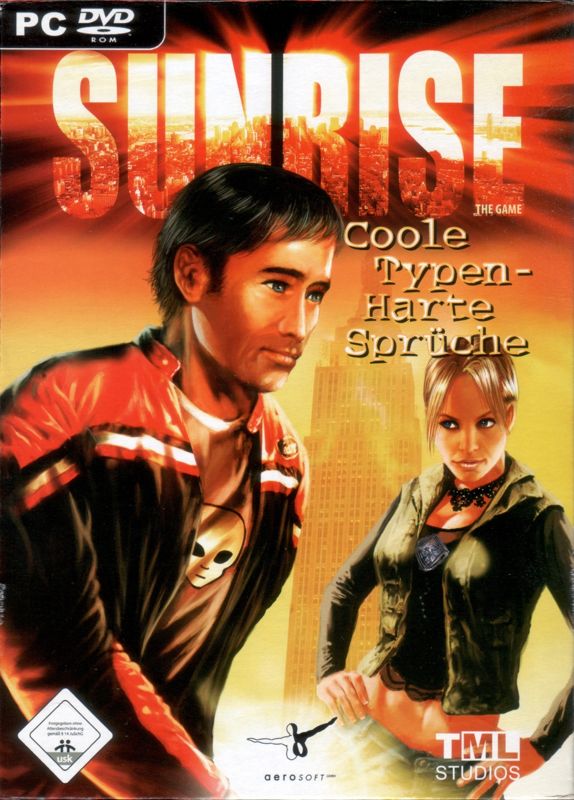
Sunrise: The Game redefines traditional point‐and‐click mechanics by removing the clutter of a classic inventory system. Rather than manually collecting and managing items, Rydec only picks up objects when they are essential for the next puzzle, and the character automatically applies them. This streamlined approach keeps the focus squarely on puzzle solving and narrative progression, eliminating tedious inventory shuffling and guesswork.
(HEY YOU!! We hope you enjoy! We try not to run ads. So basically, this is a very expensive hobby running this site. Please consider joining us for updates, forums, and more. Network w/ us to make some cash or friends while retro gaming, and you can win some free retro games for posting. Okay, carry on 👍)
The inclusion of Rydec’s multi‐tool and PDA adds depth to puzzle design without overwhelming the player. The multi‐tool’s three functions—screwdriver, wire cutter, and pliers—serve as ever‐present utilities, while the PDA system lays out objectives and optional hints. For players who crave a challenge, skipping hints is straightforward, while newcomers can enable guidance to prevent frustration. Hotspot marking further smooths the experience by highlighting interactive areas at the touch of a button.
One of the most compelling features is the multiplicity of solutions baked into many puzzles. Whether you choose to jury-rig a device with the multi‐tool or improvise using found scraps, the game rewards creative thinking. This branching logic fosters replay value and gives a genuine sense of agency: there’s rarely a single “correct” path, and discovering alternative methods provides a satisfying “aha!” moment.
Conversations in Sunrise: The Game unfold automatically, blending critical plot details with comedic banter between Rydec, Brian, and Max. Though some players may find prolonged dialogues slow down the pacing, an option to shorten or skip extended exchanges is available. This balance between story immersion and player control ensures that both lore enthusiasts and action-oriented gamers can enjoy the adventure at their own pace.
Graphics
Visually, Sunrise: The Game captures a hauntingly beautiful post-apocalyptic New York as dawn stubbornly refuses to break. The environments are richly detailed, from empty streets strewn with abandoned vehicles to the eerie glow of malfunctioning streetlamps. Subtle particle effects—drifting dust motes, flickering neon—add texture and heighten the sense of abandonment.
Character models strike a balance between realistic proportions and stylized features, which meshes well with the game’s blend of serious stakes and humor. Facial animations during dialogues convey subtle emotions—furrowed brows, nervous glances, and wry smiles—reinforcing the camaraderie among Rydec and his friends. Cutscenes transition smoothly, using dynamic camera angles to emphasize tense moments or comedic relief.
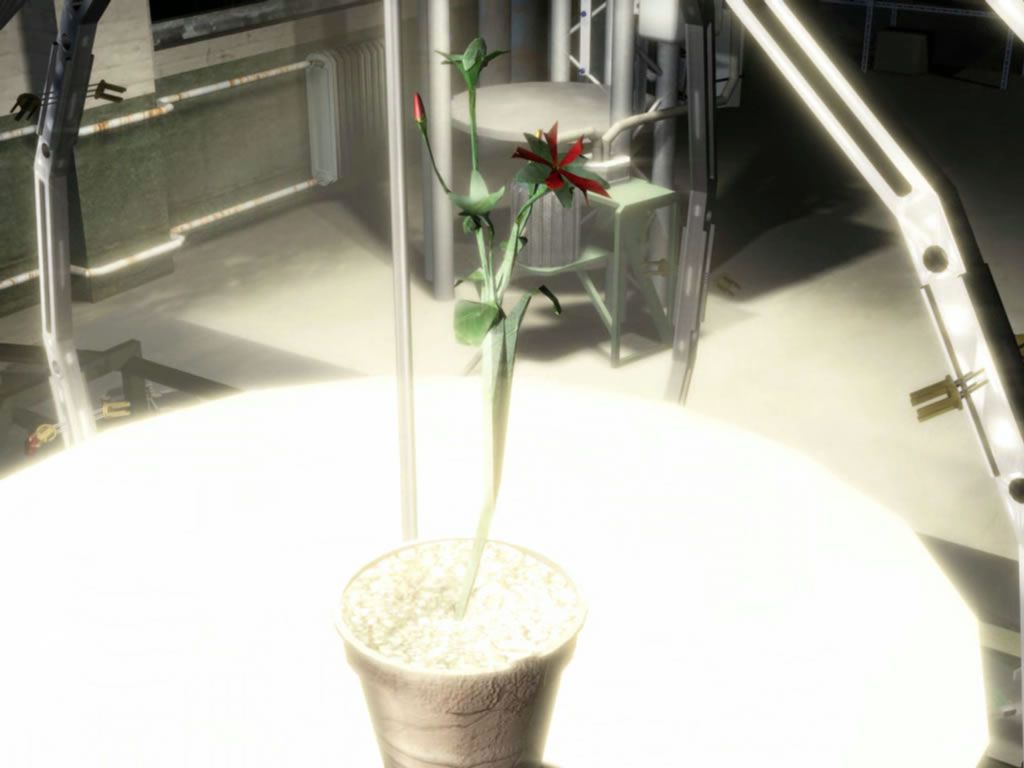
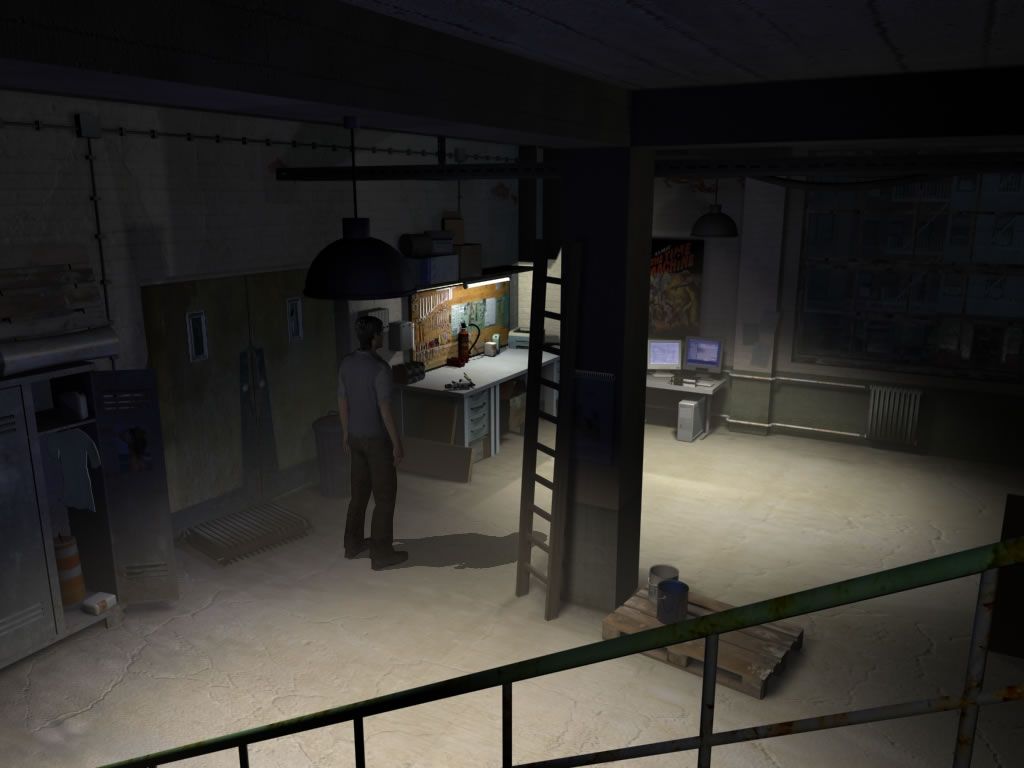
Lighting plays a pivotal role in setting the mood. The perpetual dusk bathes every scene in deep orange and purple hues, evoking a world suspended between night and day. Even indoors, you’ll notice careful use of shadows and highlights to guide the eye toward interactive objects or hidden clues. Occasional texture pop-in on distant structures is rare and largely inconsequential to immersion.
The user interface is clean and unobtrusive: a small PDA icon in the corner provides mission updates, while hotspot markers appear only when summoned. Menus are crisp, intuitive, and responsive, ensuring that players spend more time immersed in the game world and less time wrestling with controls.
Story
The narrative of Sunrise: The Game kicks off with Rydec, Brian, and Max attempting a groundbreaking teleportation experiment. High hopes turn to dread when the device malfunctions, leaving New York eerily deserted and the sun permanently stalled below the horizon. The premise lays a compelling foundation for mystery, survival, and unexpected camaraderie.
Shortly after the disaster, Rydec discovers an unconscious woman on his doorstep—an enigmatic figure whose presence raises more questions than answers. Who is she? How did she survive the initial fiasco? Her sudden appearance injects urgency and emotional stakes into the plot, driving Rydec to seek answers not only for the world’s sake but for hers as well.
Dialogues are a highlight: the interplay of dark, suspenseful moments with lighthearted quips keeps the tone balanced. Brian’s dry wit contrasts Max’s tech-savvy cynicism, while Rydec often finds himself caught between heroism and exasperation. Automatic conversations ensure that narrative momentum doesn’t falter, yet players can opt to shorten long exchanges if they prefer a brisker pace.
Story progression feels organic, with discoveries unfolding as you investigate the deserted city and decipher clues. Plot twists emerge naturally—whether through cryptic PDA logs, environmental storytelling, or encounters with scattered remnants of what used to be. The sense of mystery builds steadily, culminating in revelations that make the journey feel both cohesive and surprising.
Overall Experience
Sunrise: The Game stands out as an innovative entry in the adventure genre. Its inventory-free puzzle system feels refreshingly modern, and the option to tailor dialogue length caters to diverse play styles. Whether you’re a veteran puzzle solver or someone new to point-and-click adventures, the game strikes an admirable balance between accessibility and challenge.
The atmospheric graphics and immersive sound design work in tandem to evoke a world caught in perpetual twilight. Environmental details reward careful exploration, and the adaptable hotspot system reduces pixel hunting without handholding. Even minor visual or performance hiccups are rare enough to be easily overlooked in the face of such attentive art direction.
Storytelling in Sunrise: The Game is both character-driven and mystery-laden, blending humor with high stakes. Rydec’s journey to restore daylight becomes a metaphor for hope amid darkness, and the presence of the mysterious woman adds an emotional anchor. Pacing can occasionally slow during extended dialogues, but the option to shorten them ensures that momentum never truly flags.
All told, Sunrise: The Game offers a memorable adventure that feels both fresh and familiar. Its smart refinements to established mechanics, coupled with a compelling narrative and evocative visuals, make it a must-play for fans of story-driven puzzle adventures. If you’re seeking a game that challenges your wits while weaving an engaging tale of friendship, mystery, and resilience, this title deserves a place on your watchlist.


Reviews
There are no reviews yet.