 Retro Replay Retro Replay gaming reviews, news, emulation, geek stuff and more!
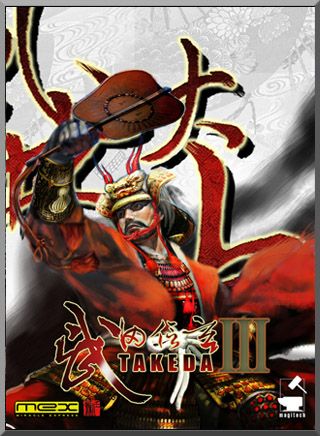
Retro Replay Review
Gameplay
Takeda III retains the deep strategic layer fans expect from the series while introducing fresh options that expand its replayability. You begin by choosing one of 25 distinct clan rulers, each with unique starting territories and political networks. This greater roster diversity sets it apart from earlier entries and encourages multiple playthroughs as you explore different alliances and rivalries.
(HEY YOU!! We hope you enjoy! We try not to run ads. So basically, this is a very expensive hobby running this site. Please consider joining us for updates, forums, and more. Network w/ us to make some cash or friends while retro gaming, and you can win some free retro games for posting. Okay, carry on 👍)
The core loop alternates seamlessly between the Turn-based World Mode and Real-Time Battle Mode. In World Mode, you manage castles, build economic structures, and oversee resource production. Recruiting and assigning Generals become vital, since each officer brings personal ambitions and abilities that evolve with experience. Balancing your military expansion against diplomacy and internal politics is a constant challenge.
When armies clash, the game shifts into Real-Time Battle Mode, where your tactical acumen is tested. You arrange formations on a pre-battle screen, select timings for main and surprise attacks, and then watch as cavalry, spearmen, archers, and even ninjas execute your orders. The fluid transition between grand strategy and detailed tactics strikes a satisfying balance for strategy enthusiasts.
Graphics
While Takeda III’s graphics aren’t cutting-edge by modern AAA standards, the art direction provides a clear and informative battlefield view. The overhead map in World Mode is finely detailed, with distinct icons for castles, farms, and barracks that make resource management intuitive. Seasonal effects, such as autumnal foliage or winter snows, add atmosphere without compromising clarity.
In battle, units are distinguishable—even at a distance—thanks to their colorful banners and armor variations. Animations for cavalry charges, archer volleys, and ninja skulking are simple but effective, conveying the energy of feudal warfare. Camera pans and zooms remain unobtrusive, letting you focus on tactics rather than cinematics.
The user interface is organized into logical panes and sub-screens. Menus for palace decisions, clan diplomacy, and castle construction are clearly labeled, reducing the learning curve. Tooltips provide context for medals, titles, and special items that you award to your Generals, ensuring you always know how to keep them loyal.
Story
Takeda III doesn’t follow a linear narrative; instead, it offers a sandbox set in 16th century Japan. The historical backdrop comes alive through your interactions with rival clans and through dynamic events—such as peasant revolts or unexpected betrayals—that can reshape your campaign. This emergent storytelling keeps each playthrough fresh, as no two paths to Shogunship unfold identically.
Each of the 25 Daimyo starts with a brief historical profile, setting expectations for their ambitions and challenges. As your Generals gain experience, their personal motivations—be it honor, wealth, or power—emerge through interlaced text events. These character-driven moments build an organic narrative, where rewarding a loyal retainer can spark deeper loyalty, while neglect may trigger rebellion.
The political dimension also adds intrigue. Marriage proposals, shifting alliances, and secret diplomatic missions handled by your ninja inject a sense of courtly drama. Deciding whether to uphold an alliance or betray a trusted partner carries real consequences for your standing among rival clans, making your journey to become Shogun a story of both military might and subtle statecraft.
Overall Experience
Takeda III delivers a robust strategy experience with depth rarely seen in turn-based games. The combination of empire management, character development, diplomacy, and real-time combat ensures there’s always a new challenge on the horizon. Casual players may need time to master the intricacies, but the well-structured tutorial screens ease you into the complex systems.
Replay value is a standout feature. With three distinct time periods, multiple difficulty levels, and 25 clan leaders to choose from, you can tailor each campaign to your preferred playstyle. The addition of head-to-head multiplayer battles extends the lifespan even further, pitting your strategic wits directly against another player’s tactical flair.
Though the graphics might feel dated to some, the clear UI and varied unit types keep the action engaging. The blend of historical authenticity and emergent storytelling makes Takeda III a compelling journey through feudal Japan’s power struggles. Whether you aim to rewrite history as an underdog Daimyo or cement your legacy as an unchallenged Shogun, this title offers a rich, multifaceted strategy adventure.


Reviews
There are no reviews yet.