 Retro Replay Retro Replay gaming reviews, news, emulation, geek stuff and more!

Retro Replay Review
Gameplay
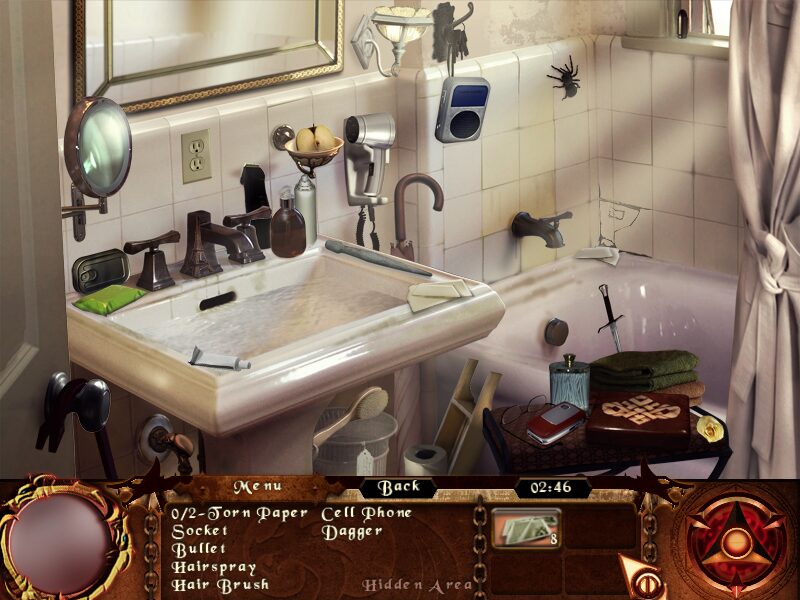
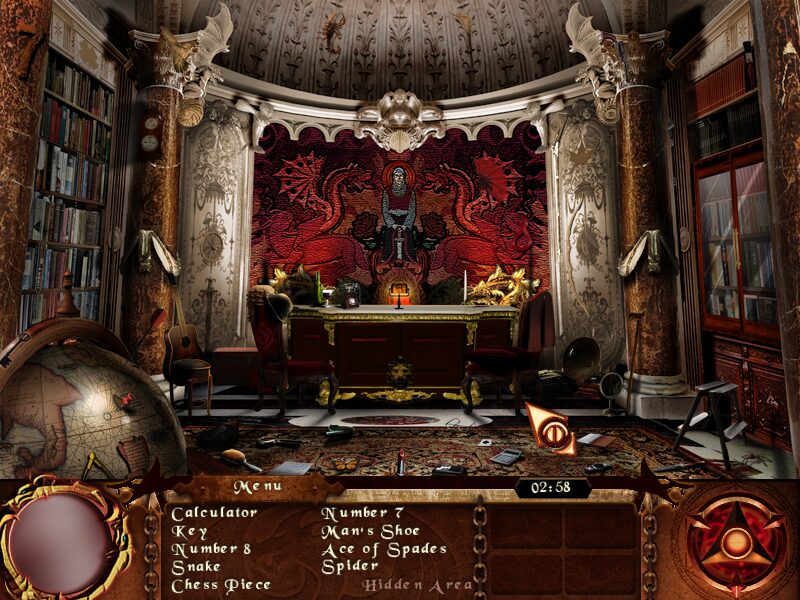
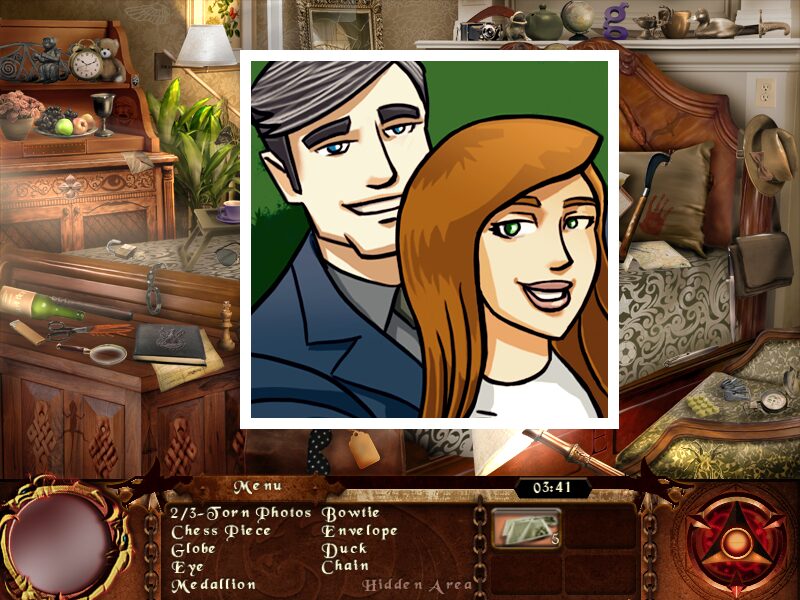
The Dracula Files delivers a familiar yet engaging hidden object experience, tasking players with locating a list of items within richly detailed scenes. The interface is intuitive: a silhouette of the selected object appears in a side mirror, guiding your search without making it too easy. Time limits on each location add a layer of tension, encouraging careful observation and quick thinking to avoid running out of precious seconds.
(HEY YOU!! We hope you enjoy! We try not to run ads. So basically, this is a very expensive hobby running this site. Please consider joining us for updates, forums, and more. Network w/ us to make some cash or friends while retro gaming, and you can win some free retro games for posting. Okay, carry on 👍)
Beyond simple object-finding, the game incorporates adventure elements through an inventory system. Items you uncover can be stored and later used to manipulate the environment—whether unlocking secret compartments or combining pieces to form new tools. This added dimension transforms passive searching into active puzzle solving, breaking up the object hunts with interactive moments.
Between chapters, mini-games provide welcome variety. Jigsaw puzzles, weight-distribution challenges, memory card matches, and even chess-based brain teasers test different skills. These segments are well-paced and gradually increase in difficulty, offering a satisfying mental workout that complements the main hidden object gameplay.
The hint system strikes a good balance: it highlights one item’s location to keep you moving, but requires a cooldown period before you can use it again. This encourages you to hone your observation skills rather than rely on constant prompts, maintaining a sense of accomplishment when you spot a tricky object on your own.
Graphics
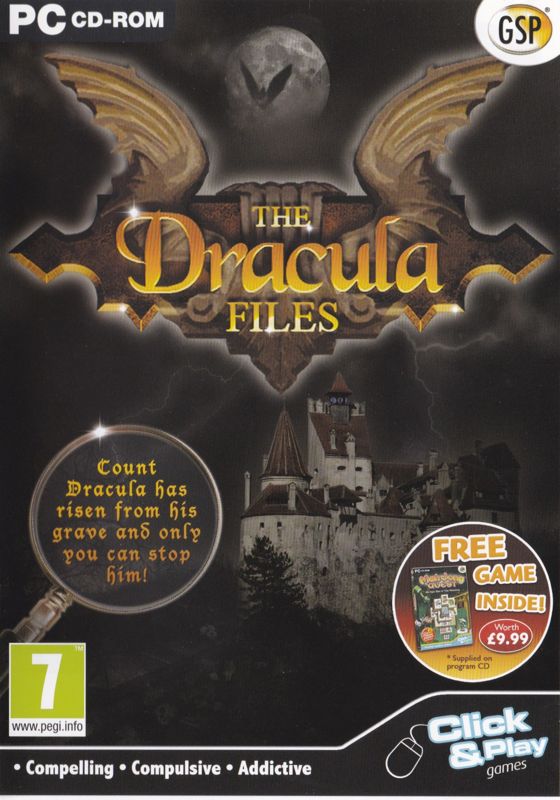
The art style in The Dracula Files leans into gothic romance, with moody color palettes and shadowy corners that evoke the classic Dracula mythos. Each scene—from the dusty winery halls to moonlit courtyards—is brimming with atmospheric details, making exploration visually rewarding even when you’re hunting for dozens of tiny items.
Backgrounds are hand-painted with care, featuring period-appropriate furnishings and creeping ivy that reinforce the late-Victorian setting. While some objects can blend into the scenery (intentionally so for challenge’s sake), the overall presentation remains crisp and readable, avoiding frustration from overly camouflaged items.
The mini-games maintain consistent visual quality, adapting the main art assets into varied formats—whether it’s a stone-carved puzzle panel or an ornate jigsaw board. This cohesion keeps the experience feeling unified, rather than a collection of disjointed parts.
Subtle animations and lighting effects, such as flickering lamps or gently swaying foliage, breathe life into static scenes. Though not cutting-edge by AAA standards, these touches enhance immersion and underscore the game’s commitment to a polished, moody atmosphere.
Story
In The Dracula Files, you step into the shoes of Michael and Quinn Harker, descendants of the legendary vampire hunter couple. After a tragic hotel fire claims their parents’ lives, the siblings uncover instructions to contact the Van Helsing network—igniting a sense of urgency as dark forces begin to stir once more.
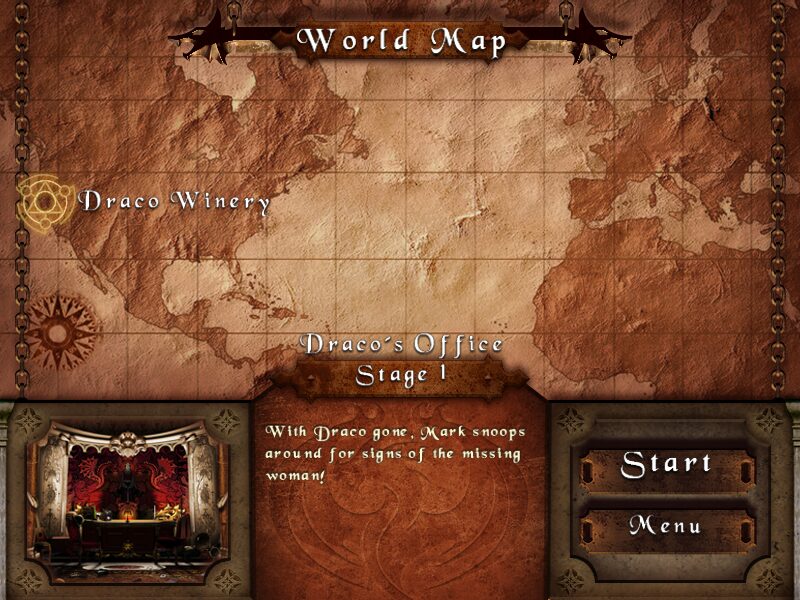
Parallel to the Harkers’ journey is the investigation led by Mark, a reporter friend determined to uncover why tourists have vanished near Vladimir Draco’s winery. This dual narrative structure keeps the plot moving, alternating between investigations at the sprawling estate and supernatural hints that Dracula may indeed be on the verge of resurgence.
Although hidden object adventures are not known for deep storytelling, The Dracula Files weaves its tale with well-placed journal entries, cryptic letters, and occasional character dialogue. These narrative breadcrumbs maintain suspense, making each new location feel like a meaningful step toward unraveling the central mystery.
Ultimately, the story feels faithful to classic vampire lore without becoming overly derivative. The interplay of Harker heritage, Van Helsing lore, and Draco’s enigmatic winery offers enough intrigue to keep casual players engaged through every hidden object challenge and puzzle sequence.
Overall Experience
The Dracula Files strikes a solid chord for fans of hidden object and puzzle-adventure hybrids. Its blend of timed searches, inventory-based puzzles, and varied mini-games ensures that gameplay never becomes repetitive. Each chapter introduces new mechanics or challenges, keeping you invested from start to finish.
The production values—art direction, music cues, and interface design—combine to create a cohesive gothic atmosphere. While the game doesn’t break new ground technologically, it excels at delivering a polished, immersive experience that honors the Dracula legend without overwhelming players with gratuitous horror.
Puzzle difficulty is well-calibrated, appealing to both newcomers and veterans of the genre. The hint system and straightforward controls ensure accessibility, while hidden areas and tougher mini-game rounds offer extra challenge for completionists seeking 100% scene clearance.
If you’re drawn to atmospheric mysteries with a steady pace and a variety of brain teasers, The Dracula Files makes a compelling case. It’s a richly flavored hidden object adventure that balances narrative intrigue with satisfying gameplay, leaving you eager to flip the page of its next chapter.



Reviews
There are no reviews yet.