 Retro Replay Retro Replay gaming reviews, news, emulation, geek stuff and more!
Retro Replay Review
Gameplay
The Fall Trilogy: Chapter 1 – Separation offers a familiar yet polished first-person adventure structure that will appeal to both series newcomers and casual puzzle lovers. You begin by maneuvering an unnamed protagonist who wakes with amnesia in an intricate network of ancient Asian ruins. Interaction is point-and-click based, allowing players to rotate the camera around predefined nodes or switch to a slideshow mode for a faster, gallery-style navigation. This flexibility caters to those who prefer deliberate exploration as well as players who favor a more guided approach.
(HEY YOU!! We hope you enjoy! We try not to run ads. So basically, this is a very expensive hobby running this site. Please consider joining us for updates, forums, and more. Network w/ us to make some cash or friends while retro gaming, and you can win some free retro games for posting. Okay, carry on 👍)
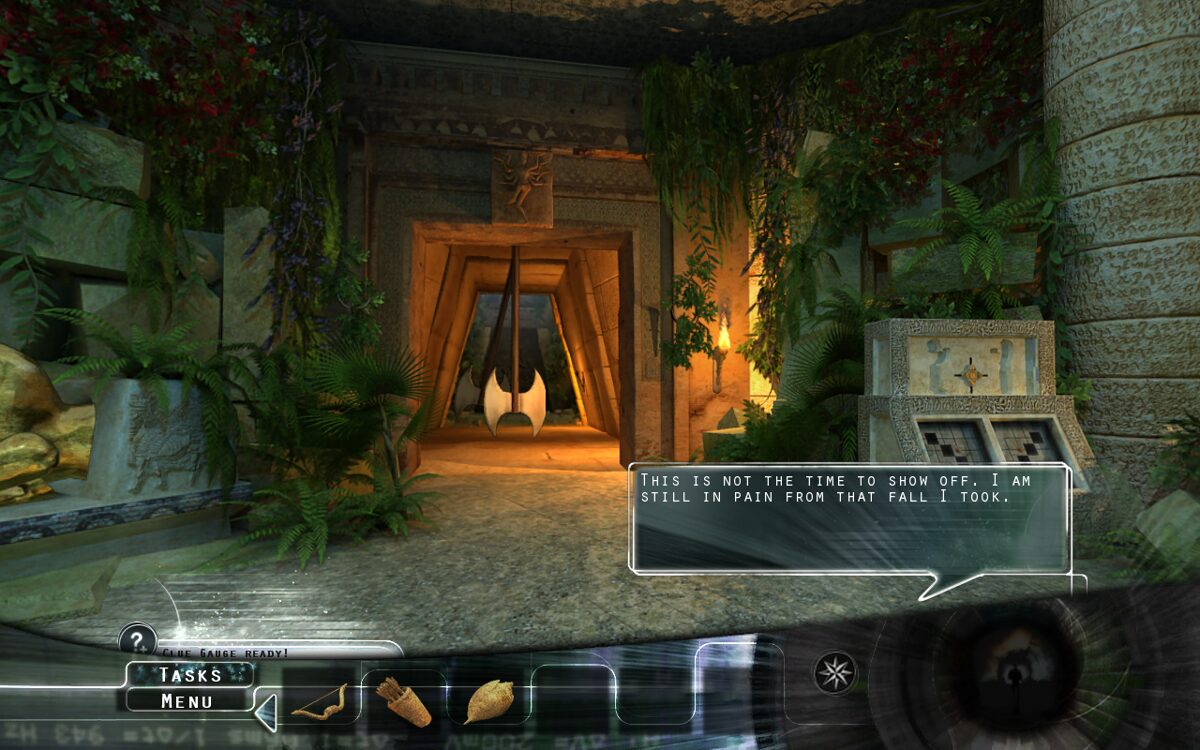
Central to the experience are the easy-to-follow hidden-object sections and light environmental puzzles. Items are collected directly from the scene and stored in the bottom-screen inventory, where they can be dragged and dropped onto hotspot puzzles or combined to unlock new areas. A hint system—represented by an iris icon—gradually recharges, offering gentle guidance to ensure players don’t become frustrated. Meanwhile, the task list with its “?+” clue button keeps objectives clear and aids in maintaining forward momentum.
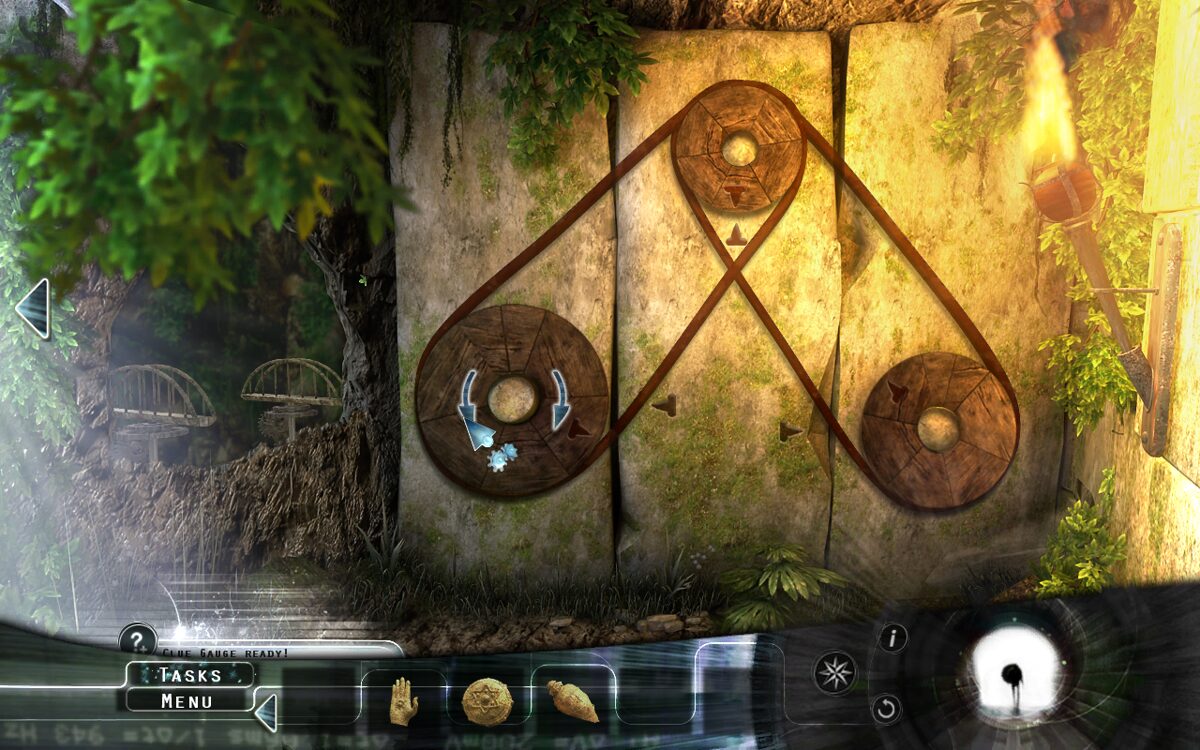
Puzzles vary in type but rarely stray from the casual difficulty level. You’ll encounter straightforward matching games, jigsaw-style bas-relief reconstructions, weight-and-lever contraptions, gear rotations, and other classic brainteasers. While seasoned adventure fans may breeze through these challenges, each puzzle is thoughtfully integrated into the thematic setting and often serves to unlock a deeper layer of the ruins or to reveal crucial story elements.
Occasionally, you must gather multiple fragments of an object before progressing, encouraging thorough exploration of every nook and cranny. The ability to skip any puzzle after a short wait—albeit with a minor score penalty—reinforces the game’s accessibility ethos. Overall, the gameplay loop prioritizes steady discovery and a relaxed pace over high-pressure problem solving, making it an ideal fit for those seeking a low-stress adventure.
Graphics
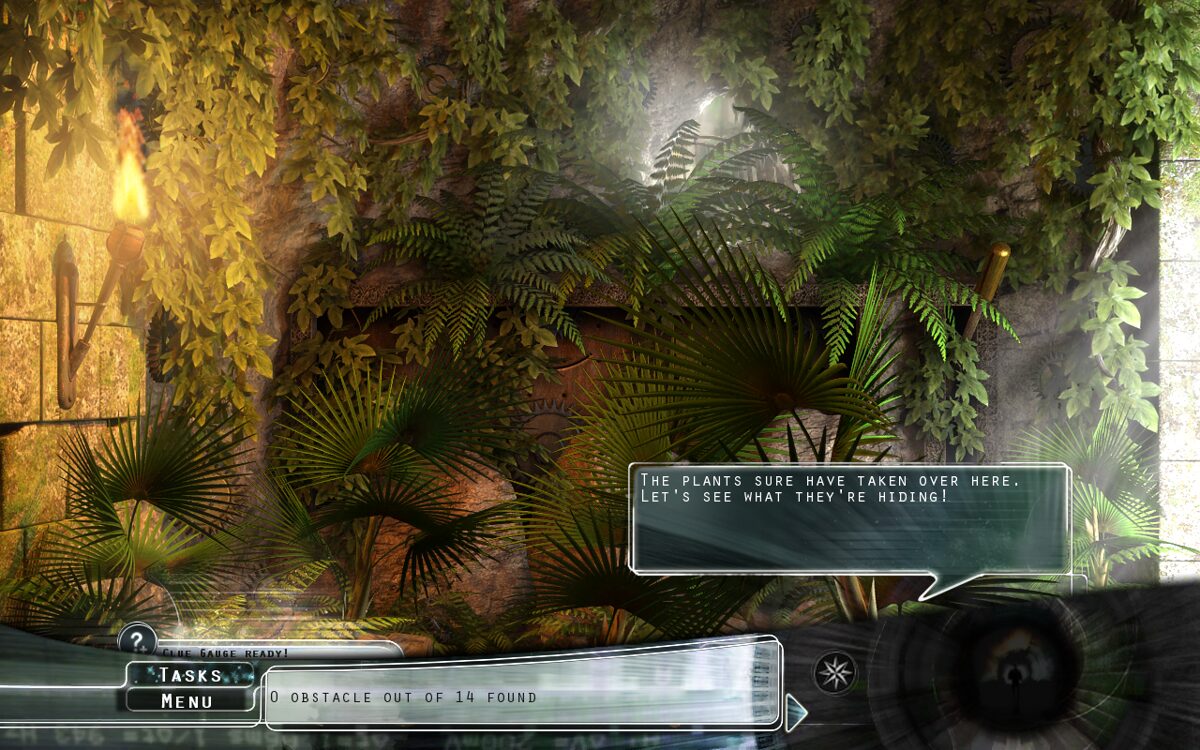
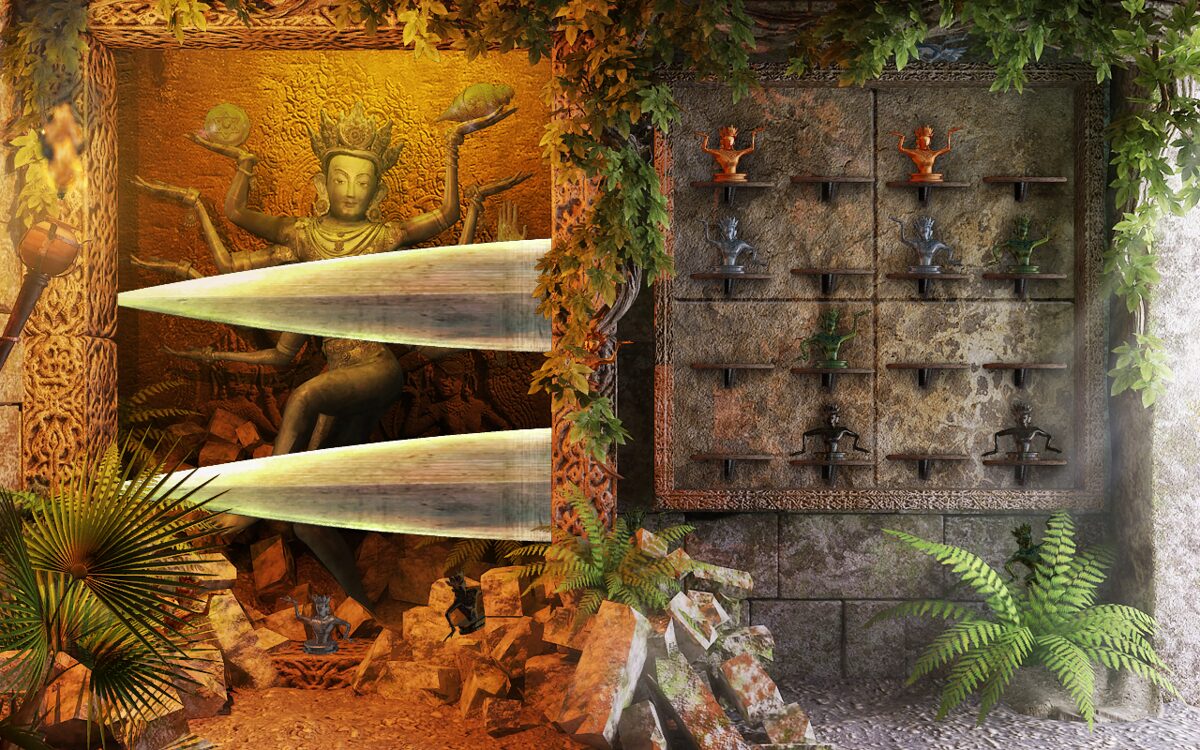
Graphically, Separation reuses Kheops Studios’ established engine, which may feel dated compared to contemporary 3D adventure titles. However, the developers have applied careful attention to the textures and architectural details of the ancient ruins, evoking an authentic sense of historical place. Cracked stone walls, moss-covered statues, and ornate carvings all benefit from subtle lighting effects that heighten the atmosphere without overwhelming mid-range hardware.
Character animation is minimal—unsurprising given the silent, amnesiac protagonist—but environmental animations such as water ripples, swaying banners, and flickering torches add life to each scene. Transitions between nodes are smooth, and load times remain unobtrusive on modern systems. Though the presentation won’t win awards for cutting-edge realism, it provides a cohesive and immersive backdrop for the unfolding mystery.
The hidden-object segments also showcase crisp, well-composed room scenes, with items blended naturally into the setting rather than slapped onto a generic background. Icons in the inventory are clear and visually distinct, helping players quickly identify collected pieces. Overall, while not groundbreaking, the visuals are reliable and effectively support the game’s exploratory and puzzle-solving mechanics.
Story
The narrative of Separation hinges on classic amnesia tropes and the gradual rediscovery of the protagonist’s purpose within the sprawling ruins. Initial expository notes and scattered relics hint at a larger trilogy-wide plot, setting the stage for deeper revelations in subsequent chapters. Though the storyline starts with familiar beats—lost memory, cryptic inscriptions, and forbidden chambers—the pacing is handled well, with small reveals at regular intervals to maintain curiosity.
Exploration serves as the primary storytelling vehicle, with journals, engravings, and environmental cues piecing together a tale of ancient rituals and personal redemption. Voiceover is sparingly used, fostering a quiet, contemplative mood that complements the solitary nature of the adventure. While some players may crave more dynamic character interactions, the solitary exploration reinforces the sense that you are truly alone in these vast, deserted halls.
By the final act, the script successfully builds anticipation for Chapter 2, leaving several threads tantalizingly unresolved. The developers at Kheops Studios demonstrate their knack for weaving puzzle solutions into the lore itself, ensuring that the story and gameplay remain tightly interwoven. For casual adventurers, the mystery is compelling enough to justify a continued journey through the next installments.
Overall Experience
The Fall Trilogy: Chapter 1 – Separation excels as an accessible, atmospheric adventure tailored for casual audiences. Its blend of hidden-object hunts, forgiving puzzle mechanics, and clear hint systems makes it a welcoming entry point for players new to point-and-click gameplay. Experienced adventurers may find the challenge level modest, but the coherent narrative, well-crafted environments, and steady sense of discovery provide lasting appeal.
Technically, the game runs smoothly on a wide range of hardware and offers both free-roaming node exploration and slideshow navigation options to suit different play styles. The interface is intuitive, and the inventory-drag mechanics feel responsive. Minimal load times and straightforward menus keep immersion intact, while the optional puzzle-skipping feature prevents potential roadblocks from derailing the experience.
In sum, Separation lays a solid foundation for the trilogy, balancing relaxed gameplay with an engaging archaeological mystery. While it doesn’t reinvent the wheel, it delivers a polished adventure that casual fans of the genre will appreciate. If you’re seeking a laid-back puzzle journey through evocative ruins and don’t mind a gentle difficulty curve, this opening chapter is well worth exploring.



Reviews
There are no reviews yet.