 Retro Replay Retro Gaming History, Reviews & Emulation
Retro Replay Review
Gameplay
The first hour is pleasantly busy because The Lost Kingdom Prophecy lets you decide how you want to match tiles before a level begins. Traditional swapping is the easiest place to start: exchange adjacent pieces to form lines of three or more. But the other choices are more than a superficial rules toggle. Chain mode has you drag through connected identical tiles, group mode rewards spotting clusters, and change mode lets you drag a tile anywhere on the board to trade places with another. That last option is the most forgiving and the most immediately satisfying when a board looks stuck.
Board geometry matters too. Square grids feel conventional, while hexagonal formations make you slow down and reconsider which pieces actually touch. The freedom is welcome, especially if you already know what kind of match-three rhythm you like. It also means you can move away from a mode that is irritating you rather than treating every level as the same assignment with new tile colors.
There is enough pressure to stop the game from becoming autopilot. The water column on the right steadily drains, so dawdling over every possible match can cost you a level. Consecutive matches charge a lionhead bust that fires lightning at random tiles after six in a row, while regular matching fills power-up buttons for a single-tile axe, an area bomb, random-burning Fire Phoenix, and a board-shuffling tornado. Large matches can also produce rainbow wildcards. These tools make a good run feel like it is gathering momentum, though the random-target effects are naturally less reliable when you need one particular problem tile gone.
The hidden-object stages arrive after several matching rounds and are a sensible change of pace. You locate scattered parts for the item displayed at the top of the screen, reassemble it, then place it in its proper spot in the scene. Inventory pieces earned one segment at a time from completed boards tie the two activities together. The structure is simple, but it prevents the campaign from becoming an uninterrupted run of timed grids.
Graphics
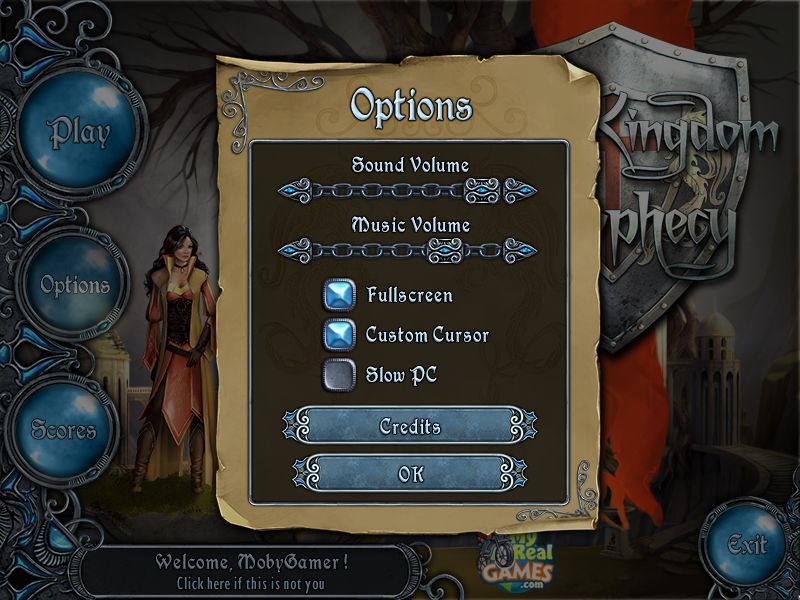
The game is built around side-view puzzle boards, with tile grids shifting between square and hexagonal arrangements. The water timer stays on the right, the lionhead power sits at the lower left, and the power-up controls line the bottom, so the crucial information is kept around the playfield rather than buried in separate screens.
Hidden-object scenes give you a fuller fantasy tableau to inspect, then ask you to place completed items back into the correct locations. The result is a practical contrast: dense object hunts between cleaner, more immediately legible matching boards.
Story
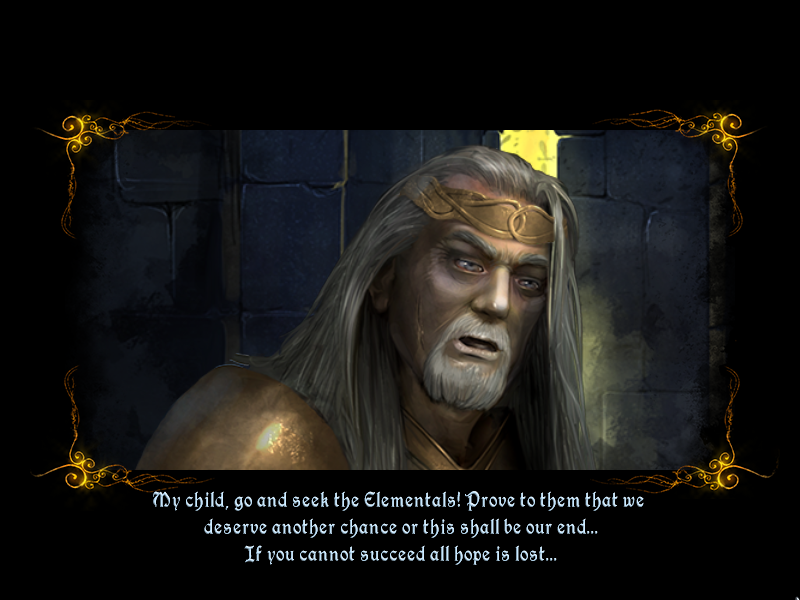
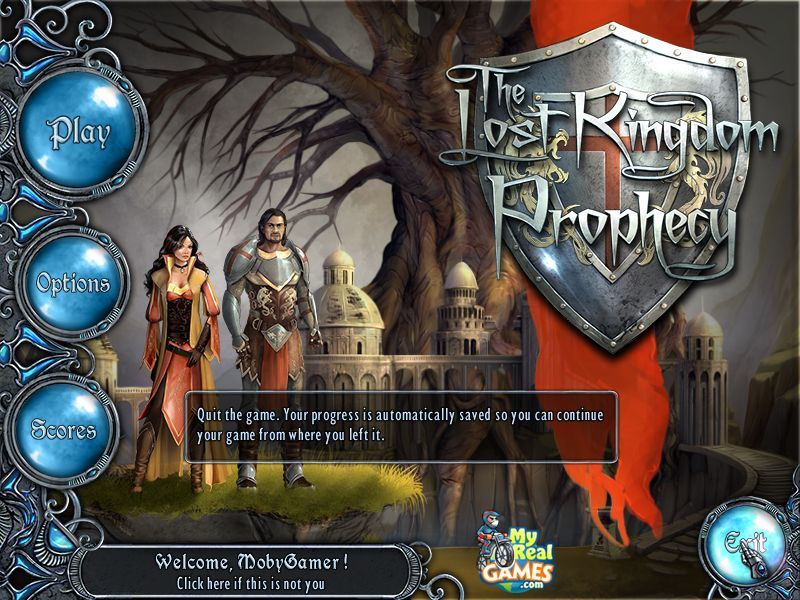
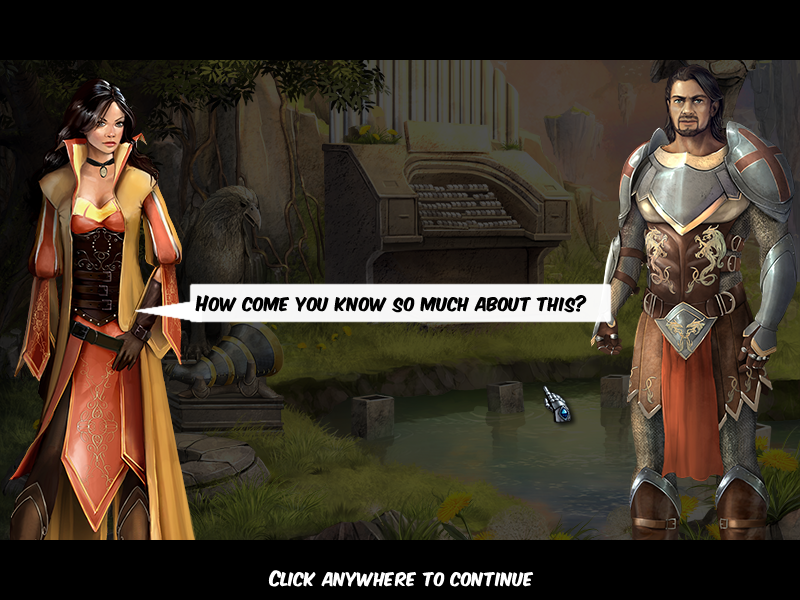
Rosefal is in trouble because its Tree of Life is dying and Balaak, a dark wizard banished a thousand years ago, is returning. Warrior princess Serena and her companions set out to gather the magical items needed to stop him. It is a familiar fantasy setup, but it establishes a clear destination and gives the item-collection loop a basic sense of purpose.
Do not come expecting the narrative to carry the experience on its own. The story mainly frames the puzzle progression: recover what is needed, push deeper into the quest, and work toward Balaak. That is enough for a game whose real focus is choosing a board style and clearing it efficiently.
The strongest story-facing touch is the way finished matching levels hand over parts of tools later used in hidden-object scenes. It makes the two puzzle types feel connected to Serena’s search rather than like entirely separate minigames. The payoff is modest, but the structure is cleaner than simply dropping object hunts between boards without context.
Overall Experience
The Lost Kingdom Prophecy earns its keep through options rather than reinvention. Four matching systems, three grid geometries, timed boards, charged powers, wildcards, and hidden-object intervals create a package with more moving parts than a single-mode match-three game. You can find a preferred rhythm, then change it when repetition starts creeping in.
Its limitations are equally clear. The quest is a thin wrapper, and the central loop remains clearing tiles before the timer runs dry. Random lightning and random-burning effects can rescue a messy board, but they do not offer the certainty of a carefully planned move. If you need every puzzle game to build toward elaborate strategy or a story-heavy payoff, this will feel slight.
For a relaxed puzzle session, though, the range of rules is the reason to give it a chance. Start with swap mode if you want the familiar route, try chain or group when you want faster pattern recognition, and use change mode when you prefer broader control over the board. The hidden-object sections break up the action just often enough. It is a solid, mildly varied fantasy matching game, not a revelation, and that is a fair bargain for the right mood.


Reviews
There are no reviews yet.